






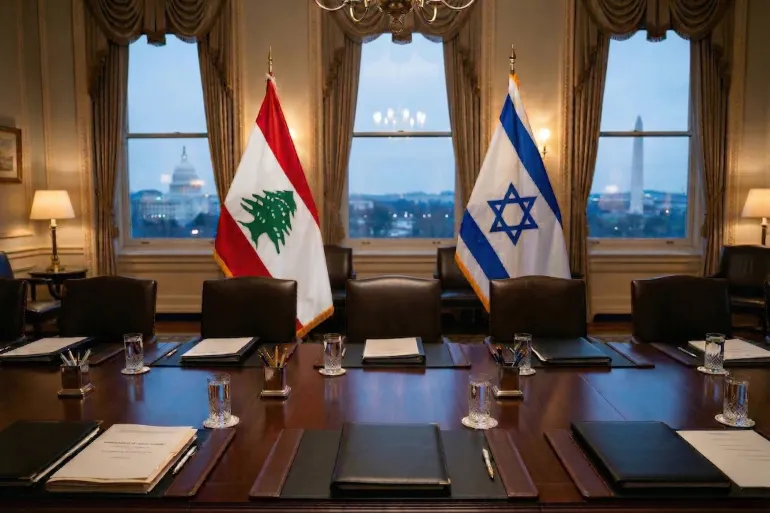
A confidential security annex to the Lebanon-Israel framework agreement has revealed new details of how the US-brokered deal is intended to be implemented, according to a document obtained by Asharq Bloomberg TurkicWorld reports via arabnews.
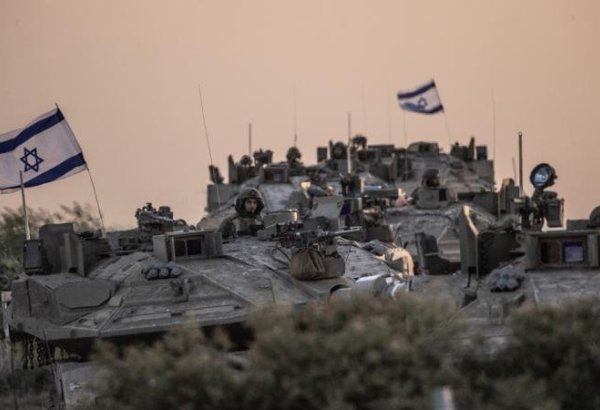
The six-part annex outlines security arrangements, including the disarmament of Iran-backed Hezbollah and other armed groups, the deployment of the Lebanese Armed Forces in southern Lebanon, and the phased withdrawal of Israeli troops.
According to the document, the parties would immediately establish a pilot security zone south of the Litani River through a four-stage process involving the clearance of non-state armed groups, third-party verification, deployment of the Lebanese Armed Forces and state-led reconstruction backed by international assistance.
The annex states that the Lebanese Armed Forces would lead the implementation of the plan and would be responsible for ensuring the disarmament of Hezbollah and all other non-state armed groups, preventing them from maintaining any military role or capability inside Lebanon.
It also calls for the establishment of a 24-hour Military Coordination Group for Lebanon (MCG4L), comprising Israeli and Lebanese representatives. The group would oversee the agreement’s implementation, monitor compliance and coordinate military movements to prevent clashes.
Under the proposed framework, Israel would carry out a phased and conditions-based redeployment from Lebanese territory once an agreed and verifiable disarmament process had been completed, with Israeli withdrawals taking place alongside the deployment of Lebanese troops.
The annex says the long-term objective is to restore full Lebanese state authority throughout the country while ensuring Israel’s long-term security.
Implementation of the agreement would be subject to periodic reviews facilitated by the US, with any disputes to be resolved through trilateral discussions, according to the document.
Lebanon, Israel and the US announced the framework agreement on Friday, describing it as a road map toward a permanent settlement following four days of negotiations in Washington.
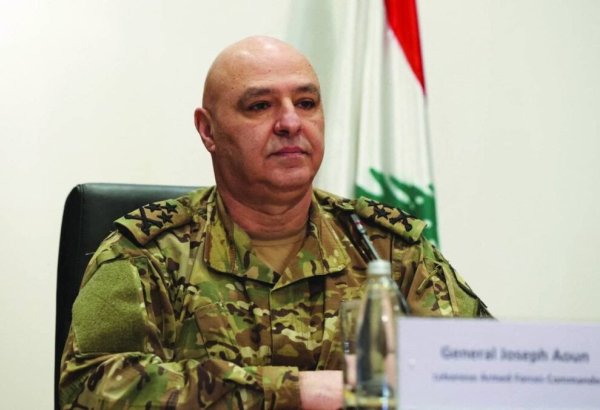
Lebanese President Joseph Aoun welcomed the agreement as a first step toward restoring state authority across the country, while Hezbollah’s Secretary-General Naim Qassem rejected the framework, saying it should instead be replaced by the US-Iran memorandum of understanding.