






BAKU, Azerbaijan, May 10. In the last few decades, humanity’s growing influence over nature has become one of the defining themes of the modern age. From genetic modification to geoengineering, our species now wields technological tools capable of shaping the environment in ways once reserved for myth or metaphor. Among these, weather modification stands out for its audacity, TurkicWorld reports.
The very idea of controlling the rain has evolved into serious experimentation and, in some regions, state-level policy. Yet, as the line between scientific innovation and geopolitical suspicion blurs, questions about the limits and consequences of these technologies have become more urgent than ever.
The most widely used and best-documented form of weather modification is cloud seeding. The concept, born in the 1940s, remains surprisingly simple: aircraft or drones release tiny particles - often silver iodide, dry ice, or salt - into clouds. These particles act as nuclei around which moisture condenses, encouraging the formation of raindrops. Under the right conditions, this can increase precipitation by 10 to 20 percent, according to most scientific estimates.
Countries like the United Arab Emirates and Saudi Arabia have invested heavily in such programs, aiming to alleviate water scarcity by inducing rainfall. Artificial rain programs are regularly launched in the UAE. Saudi Arabia uses aviation to manage precipitation.
More complex and controversial systems, such as the HAARP (High-frequency Active Auroral Research Program), have also fueled debate. Officially, HAARP is a scientific initiative designed to study the ionosphere using high-frequency radio waves. However, critics and conspiracy theorists have long suggested that such technologies could be used to influence weather patterns on a much larger scale - claims that remain unproven.
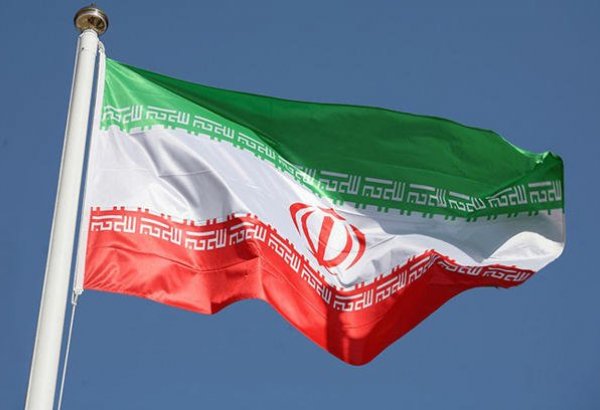
These discussions have gained renewed attention amid rising tensions in the Middle East. Following reported strikes by the United States and Israel on Iranian targets, Iran retaliated by targeting regional military infrastructure, including radar systems in Gulf countries. Online speculation quickly emerged, suggesting that such systems were not only used for air defense but also for climate-related purposes.
As early as 2011, former Iranian President Mahmoud Ahmadinejad accused foreign powers of "stealing Iran’s rain". Iran has indeed faced decades of environmental stress, including shrinking lakes, depleted reservoirs, and chronic water scarcity.
After the U.S. and Israel launched air strikes on Iranian installations, Tehran retaliated with drone attacks reportedly targeting radar systems in Qatar and the UAE. Online commentators speculated that these radar complexes were not merely defensive structures but part of secret weather modification networks controlling regional rainfall. The subsequent period of unusual weather - heavy rains in Iran, floods in the Caucasus, and temperature swings in Türkiye - fueled further conjecture that the destruction of these systems had "unlocked" natural climatic forces long suppressed by artificial means.
Large-scale climate anomalies, such as those affecting the Middle East in recent years, are more consistently explained by global climate change and natural cycles like El Niño. El Niño is a periodic warming of the Pacific Ocean that alters global wind and precipitation patterns, sometimes producing droughts in one region while causing floods elsewhere. Combined with rising global temperatures, these cycles exacerbate extremes, making wet seasons wetter and dry seasons drier.
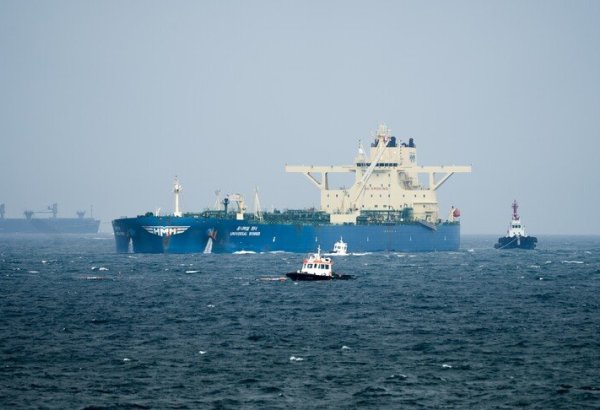
Human activity can influence the environment in many ways, but certain large-scale interventions carry the potential to disrupt the global climate system itself. Among the most extreme hypothetical scenarios are the destruction of wind-dividing mountain ranges, the artificial blocking of strategic sea straits, and the use of nuclear explosions.
Because of the potentially catastrophic consequences of such actions, the international community has moved to prohibit the deliberate manipulation of the environment for hostile purposes. The Environmental Modification Convention (ENMOD), adopted in 1977, explicitly bans the military or any other hostile use of environmental modification techniques that have widespread, long-lasting, or severe effects.
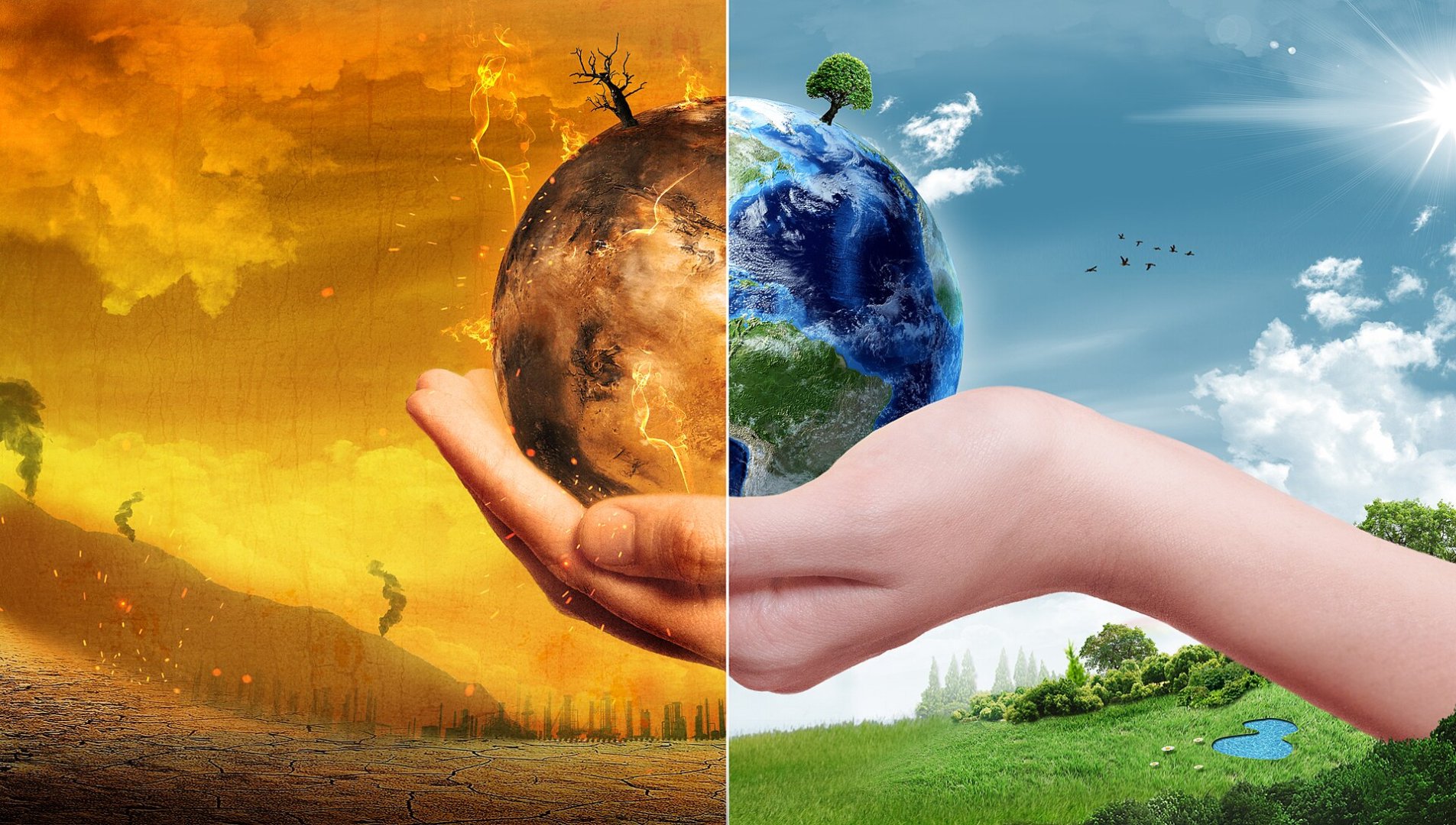
Ultimately, the greatest threat to the planet’s climate today is not deliberate environmental warfare, but the cumulative effect of human-driven climate change. Greenhouse gas emissions, deforestation, and industrial activity continue to reshape the Earth’s climate in ways that are measurable, accelerating, and far-reaching.