






BAKU, Azerbaijan, September 30. Crude exports from Gulf producers in the Middle East, excluding Iran, have returned to levels seen before the war, reaching at least 16.5 million barrels per day in September, according to data from Kpler.
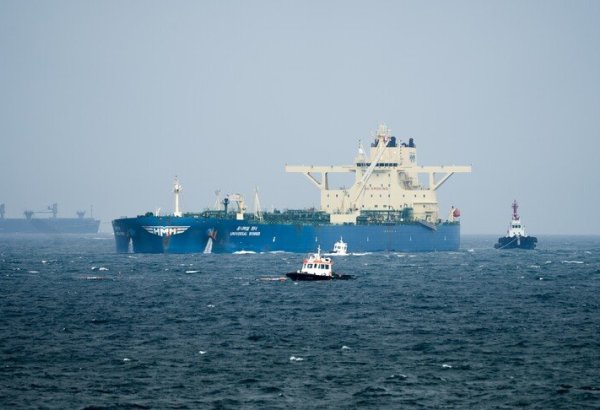
The recovery comes seven months after the effective closure of the Strait of Hormuz, but regional oil logistics have changed significantly, with producers increasingly relying on alternative export routes.
According to Kpler, around 40 percent of regional crude is now exported without passing through the Strait of Hormuz, compared with about 17 percent before the war.
Saudi Arabia and the United Arab Emirates have increased their use of pipeline routes to transport crude to export terminals that do not require passage through the strategic waterway.
Kpler also reported that more than 70 percent of crude that crossed the Strait of Hormuz in August was transferred between tankers offshore, highlighting changes in shipping arrangements amid the disruption.
“The volumes have recovered, but through a fundamentally different export system,” Kpler said.
The shift has allowed Gulf producers to maintain crude export volumes despite continued disruption around one of the world’s most important energy shipping routes.