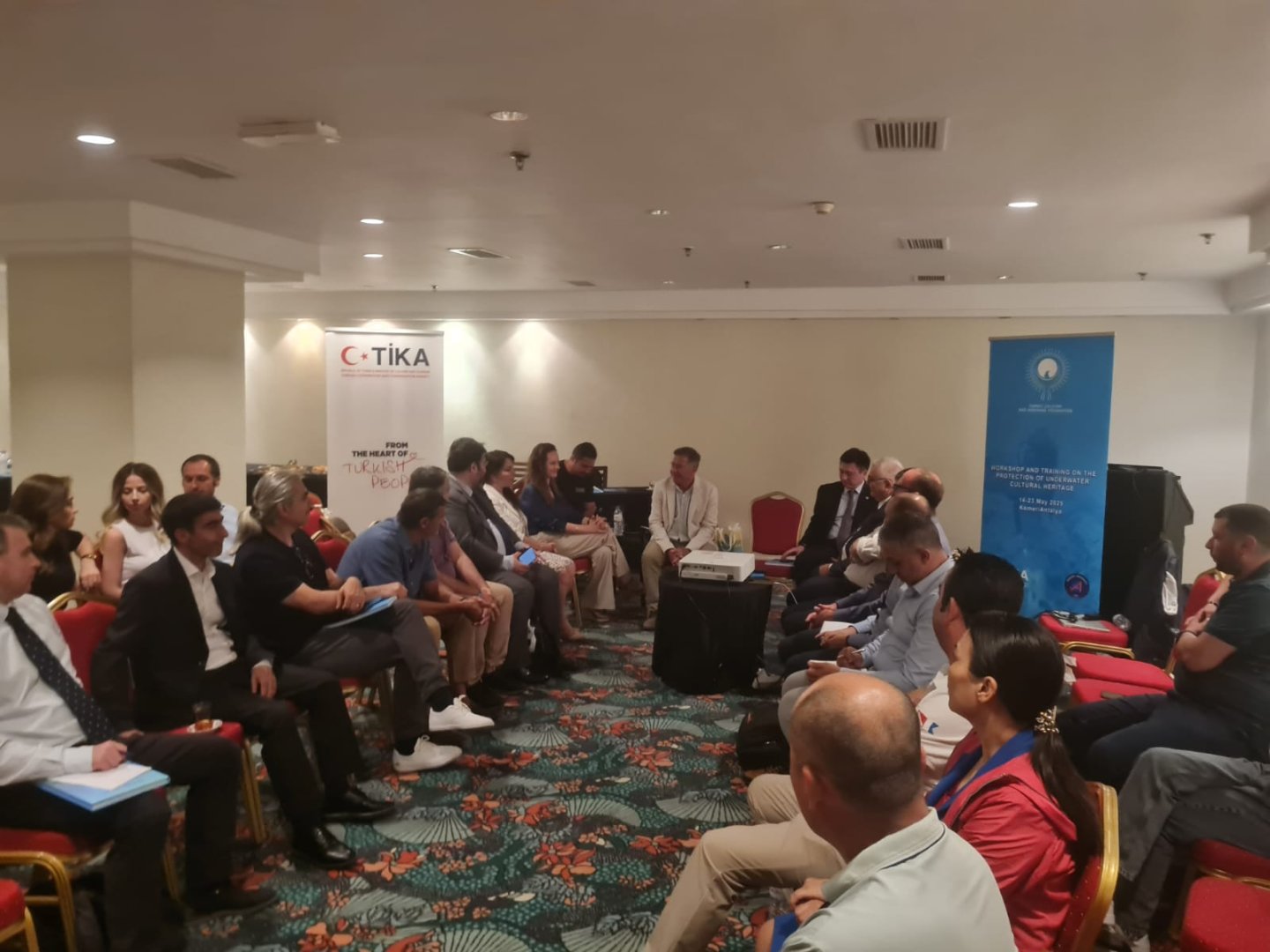
BAKU, Azerbaijan, May 20. İn the city of Kemer, a special panel on the preservation of the underwater cultural heritage of the Turkic World was held within the framework of the 24th International Kemer Underwater Days, organized in cooperation with the Turkic Culture and Heritage Foundation and TİKA, and with the participation of the Underwater Archaeology Research and Application Center of Akdeniz University and the Kemer Promotion Foundation.
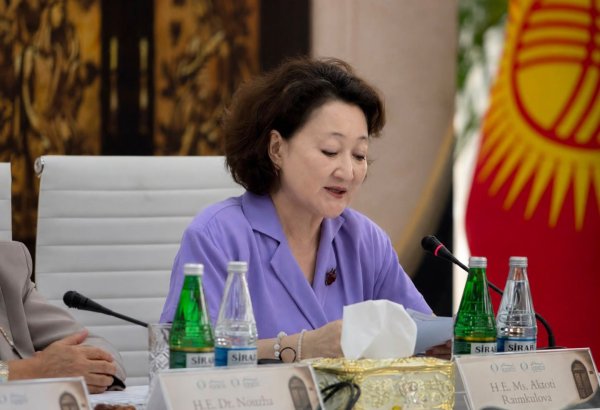
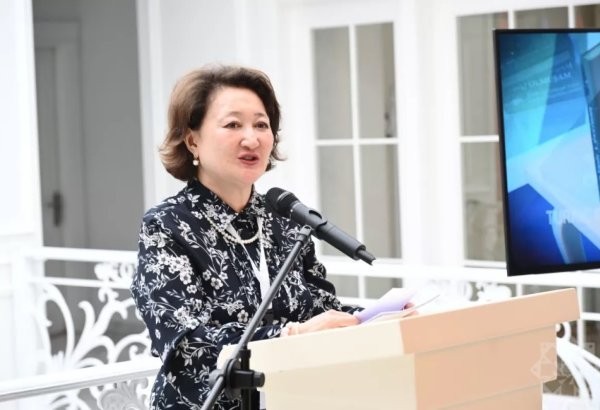
The panel opened with the reading of a welcoming message from President of the Turkic Culture and Heritage Foundation, Ms. Aktoty Raimkulova, delivered by the Foundation's Project Manager, Mr. Nuri Aksu. In her message, Ms. Raimkulova emphasized the importance of preserving underwater cultural heritage as a means of revealing the shared historical legacy of the Turkic world and called for the development of joint projects in this field.
The panel continued with presentations from representatives of six countries, moderated by Mr. Nuri Aksu:
-
Mr. Mahir Gahramanov, representing the Ministry of Culture of Azerbaijan, provided an overview of the three historical stages of underwater archaeology in the country. He highlighted research conducted around the Bayil Fortress (Sabayil Castle) and along the Caspian Sea coast, where over 4,000 historical artifacts have been identified since 1938. In 2024, the Caspian Archaeological Expedition discovered sunken ships in the Pirallahi and Zira regions.
-
Mr. Dosym Zikiriyai, from the Esik State Historical and Cultural Museum-Reserve (Kazakhstan), presented findings from research conducted in the Mangystau region, Ketikkala Port, and Fort Shevchenko. He noted growing interest in underwater heritage following the 2020 discovery of a sunken oil tanker in the Caspian Sea, and spoke about ongoing studies in the partially submerged medieval town of Sarayshyk. He also emphasized the potential of cultural diving tourism in Kazakhstan.
-
Ms. Aiperi Stanalieva, expert from the Ministry of Culture, Information and Youth Policy of the Kyrgyz Republic, shared the results of research conducted along the northern shore of Lake Issyk-Kul in 2023–2024. In the Toru-Aygyr area, sonar scans and dives revealed brick structures, tandyr ovens, and remains of industrial complexes. Ceramic fragments and animal bones from the late medieval period were also discovered. The use of photogrammetry and 3D modeling enabled the development of a digital infrastructure for the preservation and possible reconstruction of the sites.
-
Assoc. Prof. Dr. Hakan Öniz, Director of the Underwater Archaeology Center at Akdeniz University and organizer of the event, presented Türkiye’s extensive experience in underwater cultural heritage preservation. He spoke about internationally renowned discoveries such as the Uluburun and Gelidonya shipwrecks and detailed how Türkiye implements preservation policies in line with UNESCO standards. He invited participants from the Turkic world to benefit from Türkiye’s experience and expressed his gratitude to the TCHF for organizing the panel.
-
Dr. Attila Toth, from the Arpad Museum (Hungary), shared insights from research along the Danube River, focusing on the documentation of underwater Ottoman-era structures. He noted that submerged ruins and bridge foundations shed light on the shared Turkish-Hungarian history and presented examples of student fieldwork and digital mapping projects.
-
Mr. Bakhtiyor Amatov, representing the Uzbekistan Cultural Heritage Agency, spoke about historical settlements around the Aral Sea that have become submerged due to shifting water levels. He highlighted growing tourism interest in the region and thanked the TCHF for organizing the event, expressing his satisfaction and enthusiasm for the continuation and expansion of cooperation in this field.
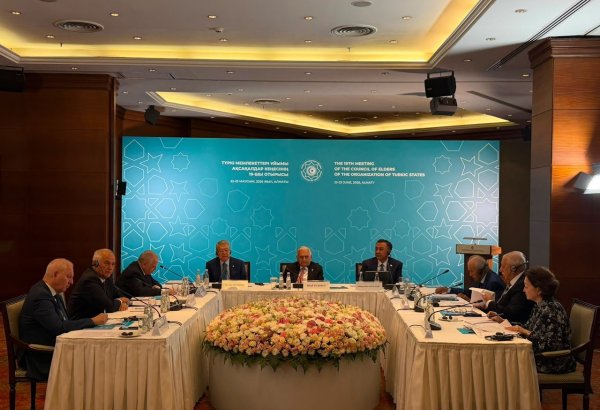
Following the panel, a roundtable meeting was held with the participation of experts from the Turkic world and international organizations to develop a shared approach to underwater heritage preservation. In their opening remarks, Assoc. Prof. Dr. Hakan Öniz and Mr. Nuri Aksu emphasized the importance of infrastructure, funding, education, and cooperation.
Participants expressed interest in learning from Türkiye’s experience and discussed the need to promote sites such as the Gallipoli shipwrecks on an international level, develop underwater heritage expertise in Kyrgyzstan, and strengthen cooperation with Kazakhstan and Uzbekistan.
Among the proposals presented were:
-
Organizing traveling exhibitions and joint symposiums;
-
Conducting advanced diving training under CMAS;
-
Implementing joint European projects;
-
Holding underwater photography workshops;
-
Facilitating student and laboratory exchanges;
-
Conducting annual meetings on underwater heritage with institutions across Turkic countries.
Participants also proposed the creation of a digital database for underwater cultural heritage and the sharing of best practices. The meeting concluded with a strong call for enhanced international cooperation in the protection of shared cultural heritage.
All proposals voiced during the event will be compiled into an official report by the Turkic Culture and Heritage Foundation and shared with relevant institutions across the Turkic world. It was also proposed to establish a Turkic World Underwater Heritage Network to systematize coordination in this field.