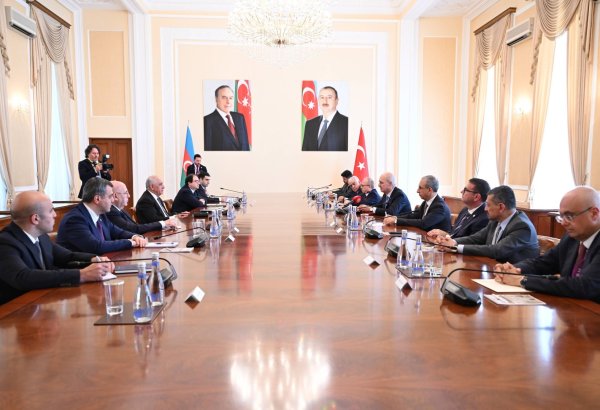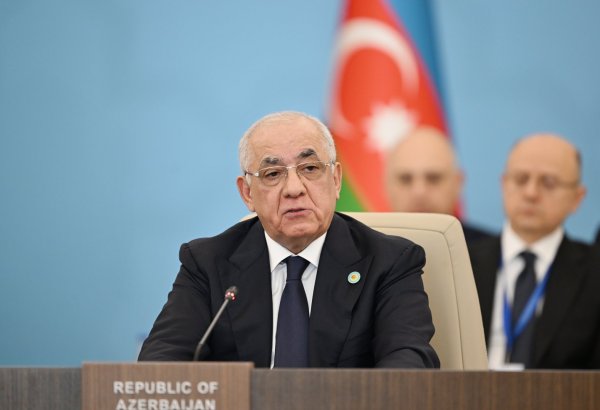







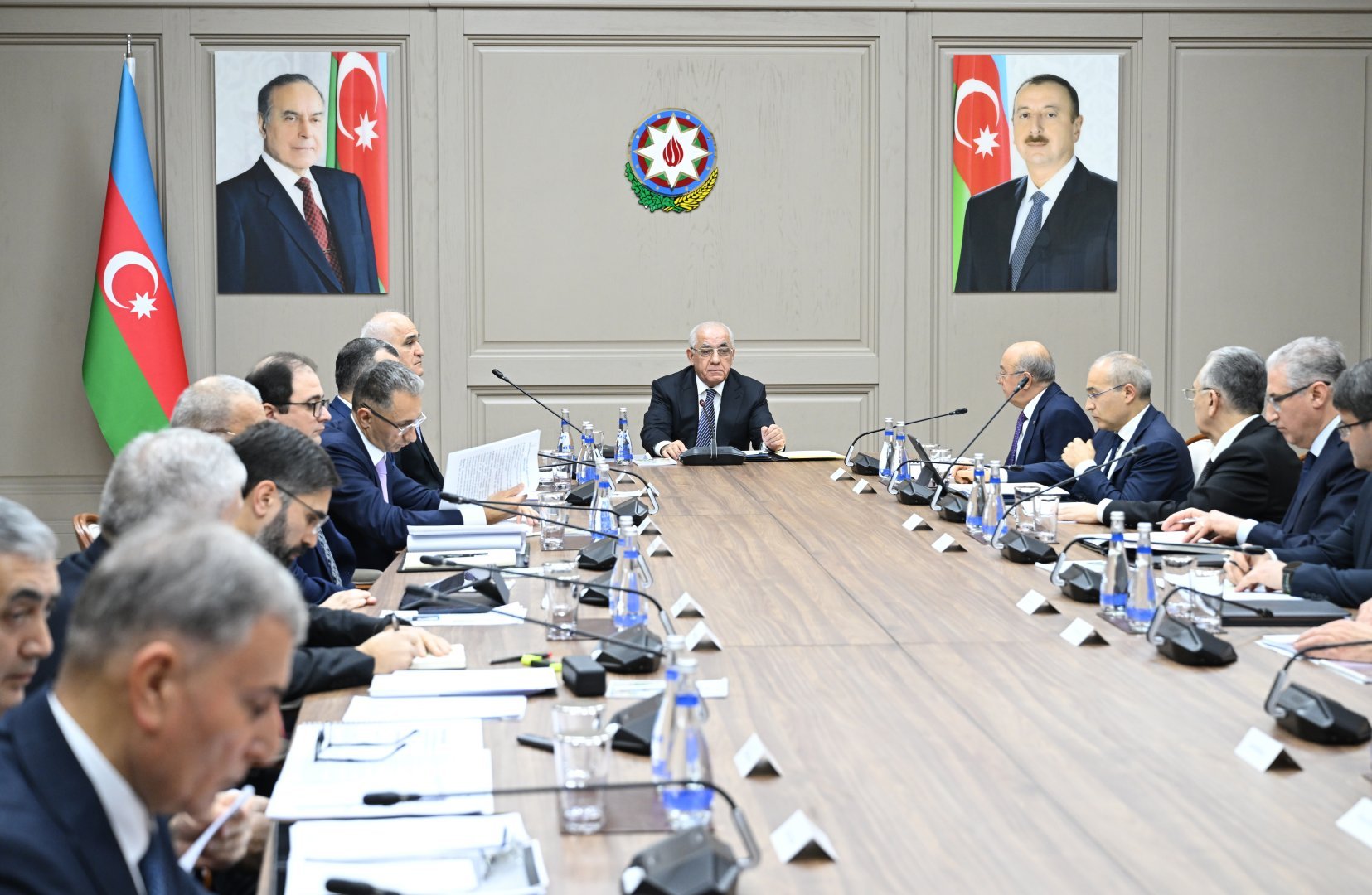
BAKU, Azerbaijan, January 27. A meeting dedicated to the environmental condition of the Caspian Sea and Baku Bay was held at the Cabinet of Ministers of the Republic of Azerbaijan under the chairmanship of Prime Minister Ali Asadov on January 27, 2026, TurkicWorld reports via the cabinet.
According to information, the meeting focused on the implementation of the Comprehensive Action Plan for 2025–2030, which covers the rehabilitation of the Caspian Sea. The plan includes the removal and isolation of damaged and decommissioned offshore infrastructure, including abandoned and decommissioned wells, piers, platforms, as well as sunken and partially sunken vessels, alongside broader efforts to improve the ecological situation in Baku Bay.
In his remarks, Prime Minister Asadov stated that aging and corroded hydrotechnical structures inherited from the Soviet era in Azerbaijan’s sector of the Caspian Sea, along with decommissioned or conserved oil wells and the impact of hydrometeorological factors, have created serious environmental risks. He also noted that prolonged anthropogenic pressure over many years has led to deeper pollution in Baku Bay, including the Seaside Boulevard area, making urgent environmental improvement measures necessary.
Presentations on the Comprehensive Action Plan were delivered by Elshan Hajizadeh, head of the Industry and Energy Department of the Cabinet of Ministers. Reports were also heard from Emergency Situations Minister Kamaladdin Heydarov, First Deputy Minister of Ecology and Natural Resources Rashad Ismayilov, President of the Azerbaijan State Oil Company (SOCAR) Rovshan Najaf, and Chairman of the Board of Azerbaijan Caspian Shipping Closed Joint-Stock Company (ASCO) Afgan Jalilov.
Issues related to improving the ecological condition of Baku Bay were additionally addressed in reports by Khanlar Aghalarov, chairman of the Seaside Boulevard Administration, and Zaur Mikayilov, chairman of the Azerbaijan State Water Resources Agency, along with other speakers.
Following discussions, relevant state bodies were instructed to carry out monitoring in the Caspian Sea and develop an interactive mapping scheme, determine and prioritize the scope of work, study international best practices, and implement measures based on public-private partnership principles. Instructions were also given to dismantle hazardous and unusable hydrotechnical structures and wells, remove sunken and partially sunken vessels, and assess the impact of the measures on the marine environment.
In addition, officials were tasked with preparing an action plan aimed at cleaning Baku Bay, including the removal of exposed metal structures from nearshore areas after seawater withdrawal, preventing wastewater discharges into the basin, clearing oil slicks and floating waste from the water surface, and cleaning oil-contaminated soils in surrounding areas.