






BAKU, Azerbaijan, May 19.
By Abdulhamid Hamid Al-Kba
Opinion writer specializing in Central Asia and Azerbaijan affairs
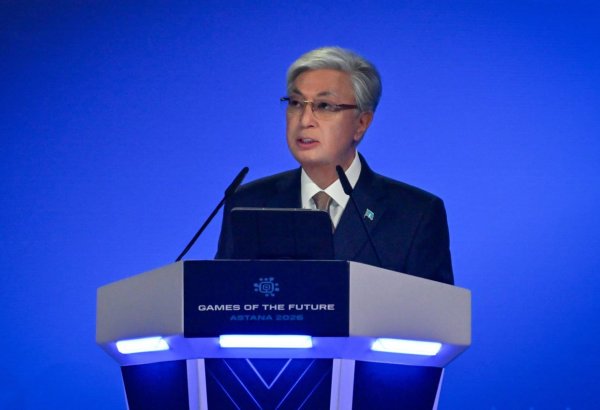
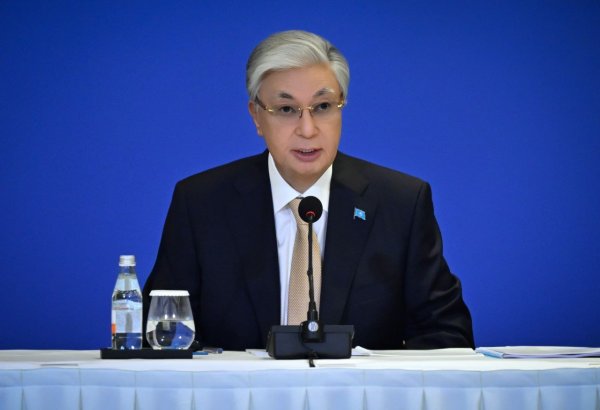
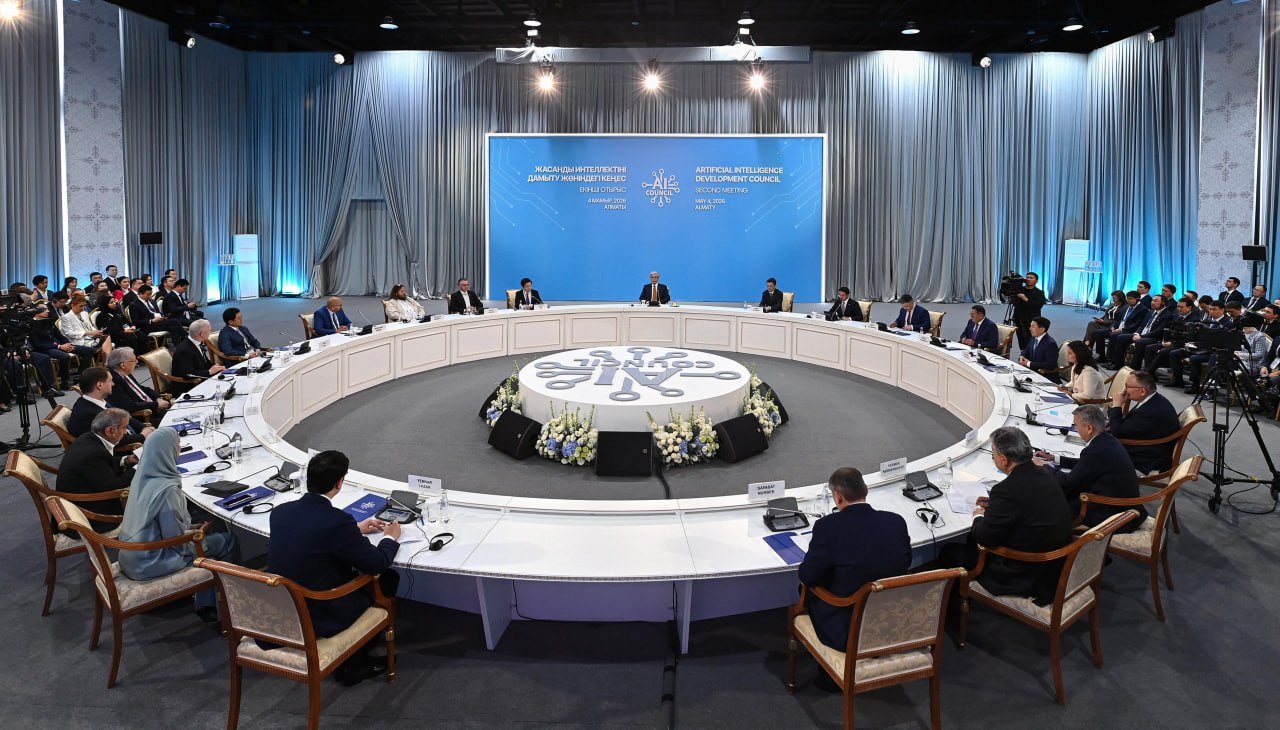
On May 4, 2026, Almaty hosted the second meeting of the Artificial Intelligence Development Council, chaired by President Kassym-Jomart Tokayev. The meeting reflected a growing strategic focus as Kazakhstan navigates a rapidly evolving technological landscape while strengthening the foundations of long-term economic growth,TurkicWorld reports.
President Tokayev highlighted the accelerating pace of technological change, noting that “artificial intelligence is becoming a key driver of global competitiveness.” He also emphasized that data is emerging as a critical economic resource, signaling a shift in how competitiveness is defined — not only through industrial output, but through the capacity to generate, process, and effectively utilize data.
This evolving perspective aligns with Kazakhstan’s broader economic trajectory. With GDP growth hovering around 5% in recent years, the country has demonstrated steady macroeconomic performance. Increasingly, however, attention is turning to the quality and sustainability of that growth, particularly the role of innovation and digital transformation.
A central theme of the meeting was the importance of moving beyond fragmented digital initiatives toward a more integrated, system-wide transformation. Tokayev’s call for clearer methodologies to assess the contribution of the digital economy reflects an effort to align measurable progress with deeper structural change.
The discussion also highlighted the importance of institutional readiness alongside technological adoption. The effectiveness of artificial intelligence depends not only on access to advanced tools, but also on the development of unified and interoperable government data systems. Strengthening data governance frameworks in this context becomes a key economic priority.
Kazakhstan’s ambition to transition toward a “real-time economy” further illustrates this direction. By accelerating decision-making processes and improving coordination across sectors, digital platforms in customs, taxation, and financial monitoring are already contributing to enhanced efficiency, with further gains expected as these systems scale.
Recent developments suggest that this transformation is increasingly supported by institutional and ecosystem-level progress. The growing role of Astana Hub highlights how policy ambition is translating into measurable outcomes, with technology exports reaching approximately $1 billion and a rapidly expanding base of over 2,000 companies, including a rising number of international firms.
At the same time, Kazakhstan has strengthened its institutional framework by elevating digital governance within the structure of the state, alongside investments in human capital such as the development of a specialized artificial intelligence university in Astana. These steps, combined with national initiatives to expand AI education and data integration, reflect a coordinated approach to building long-term capacity.
Infrastructure development also remains a key pillar. Initiatives such as the proposed “Data Center Valley,” together with continued engagement in international platforms like GITEX AI Central Asia & Caucasus, position Kazakhstan to deepen its role in regional and global digital ecosystems.
Importantly, the country’s approach consistently links technological advancement with practical economic outcomes. Integrating AI into key sectors — including industry, energy, agriculture, and logistics — will be essential to unlocking productivity gains and supporting diversification.
As digital systems become more central to economic activity, the importance of cybersecurity and regulatory consistency also increases. Building a stable and predictable digital environment will be critical for maintaining public trust and attracting sustained international investment.
The Almaty meeting ultimately highlighted both the scale of Kazakhstan’s ambitions and the structured approach being taken to achieve them. While challenges remain, continued progress in institutional development, infrastructure, and international cooperation provides a solid foundation.
In an increasingly competitive global environment, the key question is how quickly Kazakhstan can translate its digital momentum into sustained economic impact — a trajectory that appears both pragmatic and forward-looking.