


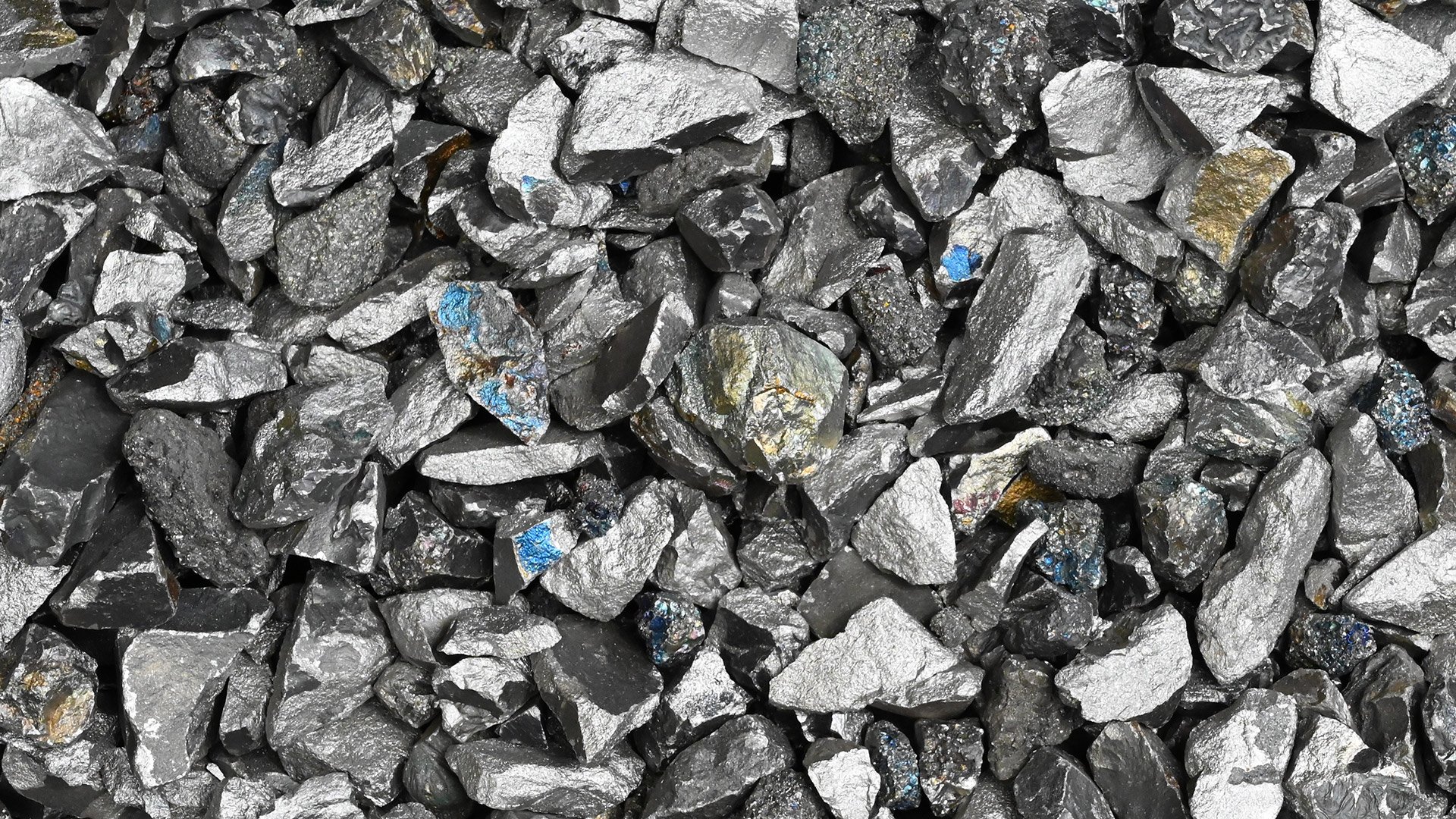
BAKU, Azerbaijan, August 3. Kazakhstan’s manganese production and reserves are included in the Eni World Energy Review 2025, with output figures varying across reported years and reserves remaining unchanged through 2023.
Data obtained by TurkicWorld from the review presents both production and reserve data for the period from 2015 to 2024. Figures for some years remain unavailable in the dataset.
| Year | Production (thousand metric tons) | Reserves (thousand metric tons) |
|---|---|---|
| 2010 | — | — |
| 2015 | 222 | 5,000 |
| 2019 | 140 | 5,000 |
| 2020 | 158 | 5,000 |
| 2021 | 90 | 5,000 |
| 2022 | 129 | 5,000 |
| 2023 | 130 | 5,000 |
| 2024 | — | — |
Kazakhstan's manganese output has undergone significant volatility, showcasing a steep descent from 222,000 metric tons in 2015 to a mere 90 metric tons in 2021, followed by a rebound to 130,000 metric tons by 2023. These transitions may signify fluctuations in endogenous consumption patterns, international market oscillations, or strategic recalibrations within the extractive industry.
Notwithstanding the fluctuations in output metrics, the nation’s manganese reserves have been persistently documented at a stable 5,000 metric tons from the fiscal year 2015 through to 2023. This indicates that Kazakhstan upholds a significant long-term resource reservoir; however, recent data deficiencies—especially for the year 2024—introduce ambiguity regarding the prevailing production trajectory.
Over the decades subsequent to its inception in 1953, Eni has engaged in a multitude of sectors encompassing contracting, nuclear energy, power generation, mineral extraction, chemical processing, polymer production, refining and distribution apparatus, the hospitality domain, as well as the textile sector and media dissemination.