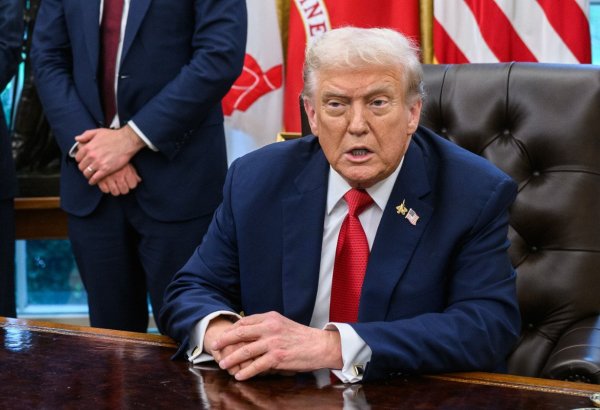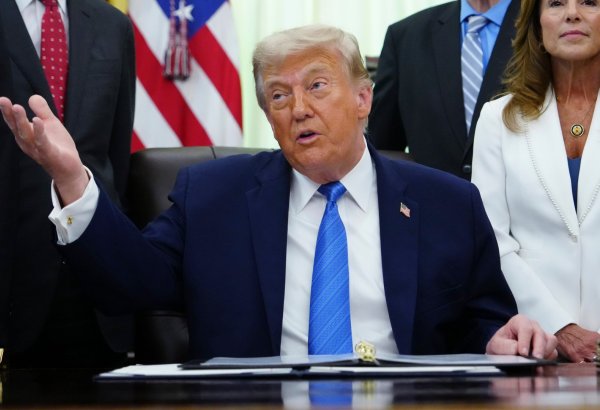


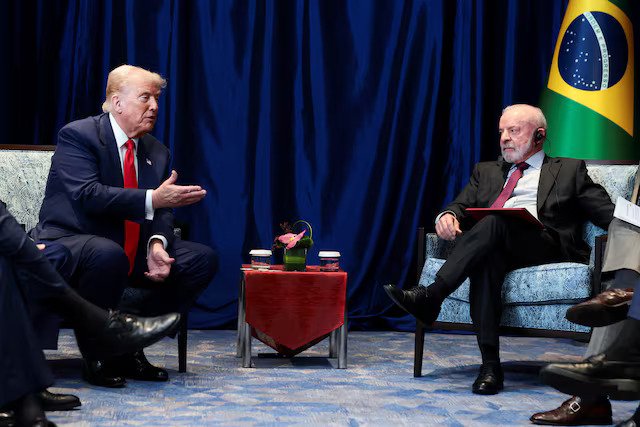
BAKU, Azerbaijan, August 21. Brazilian President Luiz Inacio Lula da Silva and US President Donald Trump held a phone call on Friday to discuss tariffs recently imposed by Washington on Brazilian goods, according to a statement from the Brazilian government.
During the conversation, Lula reiterated that negotiations were the best way to resolve the trade dispute. Trump, in turn, suggested that officials from the two countries meet as soon as possible to discuss the issue.
The United States imposed a 25 percent tariff last month on some Brazilian products, citing what Washington described as unfair trade practices. The US also introduced 12.5 percent tariffs on goods from dozens of countries, including Brazil, in connection with allegations of inadequate enforcement of restrictions on forced labour.
Lula argued that the tariffs would damage both the Brazilian and US economies and rejected the grounds Washington has cited to justify the measures.
According to the Brazilian government, Lula disputed US concerns involving deforestation, intellectual property, corruption, Brazil’s Pix instant payment system, ethanol and imports allegedly linked to forced labour.
Earlier this month, Brazil initiated a process seeking further consultations with US trade authorities. The procedure could eventually lead to Brazilian measures against Washington if the dispute is not resolved.
The two presidents also discussed security cooperation. Lula reiterated Brazil’s willingness to work with the United States to combat organised crime.
However, the Brazilian president said criminal gangs operating in Brazil should not be classified as terrorist organisations, rejecting the designation Washington applied to two Brazilian groups in May.
The phone call signals an attempt by both governments to maintain direct dialogue as they seek to manage growing disagreements over trade and security policy.