






BAKU, Azerbaijan, August 14. White House deputy national security adviser Andy Baker is expected to leave the Trump administration in the coming weeks, marking the latest departure from a national security team that has undergone significant personnel changes in recent months.
Baker, who also served as a national security adviser to Vice President JD Vance, has been regarded by national security officials in Washington as a relatively low-profile but influential figure within the White House.
A former State Department official, academic and adviser to Vance during his time in the US Senate, Baker has historically advocated a more restrained US foreign policy and questioned the wisdom of prolonged American involvement in foreign conflicts.
He was also among the advisers who helped prepare Vance’s speech at the Munich Security Conference last year. In that address, Vance warned European leaders that what he described as censorship and democratic backsliding posed threats to the continent comparable to external challenges from countries such as China and Russia.
“I’m proud of everything we’ve achieved and, of course, am incredibly grateful to the President, Vice President and Secretary Rubio,” Baker said in a statement provided to Reuters. “I’ll never be far away.”
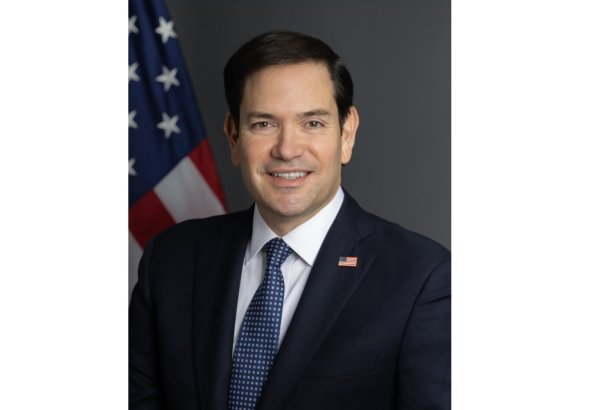
Vance and Secretary of State Marco Rubio separately praised Baker following news of his planned departure. The move was first reported by Axios.
Staff changes
Baker, who has a young family, remained at the White House for several months longer than originally planned in order to assist with key staff transitions, according to a person close to him.
Mike Needham, a senior State Department official close to Rubio, joined the White House in late May as another deputy national security adviser alongside Baker. Around the same time, Cliff Sims, a former White House and intelligence official during Trump’s first term, succeeded Baker as Vance’s national security adviser.
Additional personnel departures have also occurred at lower levels of the White House national security team in recent months. The senior National Security Council officials responsible for Europe and Latin America both left their positions in June.
The broader significance of the turnover remains unclear. Although Baker participated in some high-level discussions and was considered more influential than some of his colleagues, the Trump administration has generally handled its most important foreign-policy challenges at the level of senior principals, delegating comparatively limited responsibility even to high-ranking staff.
The personnel changes extend beyond the national security establishment. The White House has also announced the impending departures of press secretary Karoline Leavitt and White House counsel David Warrington.
Baker’s departure therefore adds to a broader period of staff turnover inside the Trump administration as the White House continues to manage major foreign-policy and national-security challenges.