






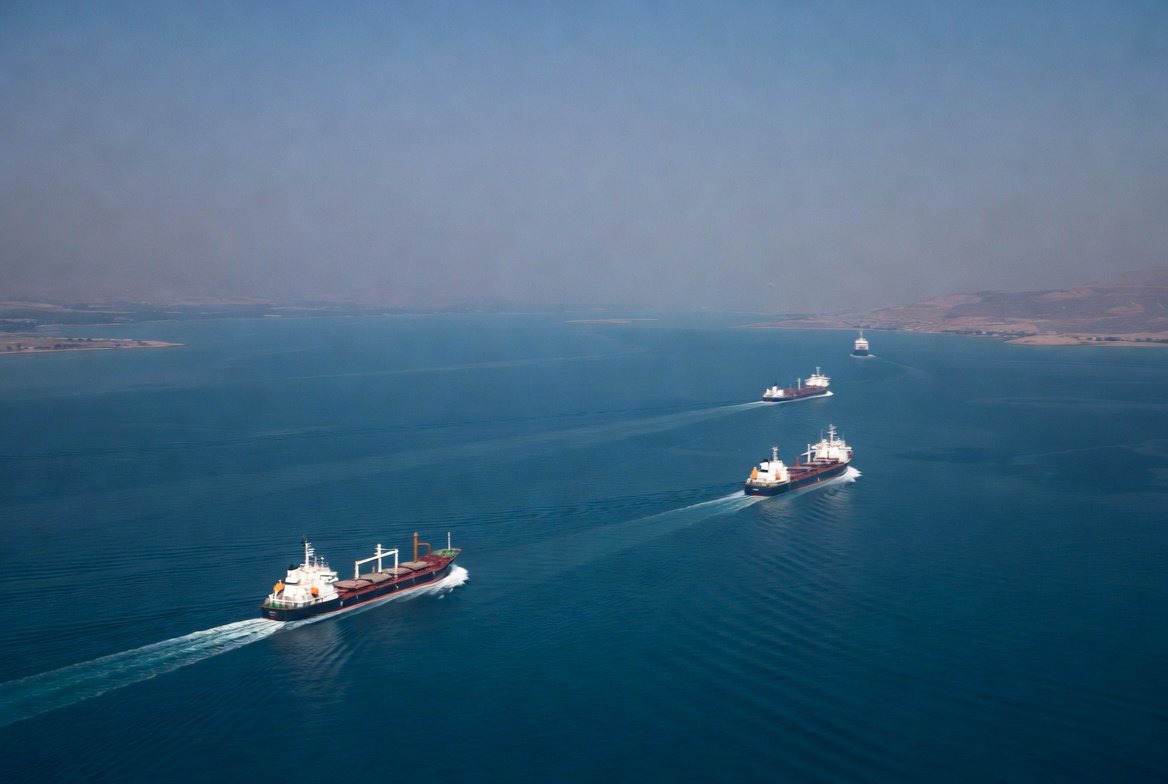
BAKU, Azerbaijan, August 14. Commercial traffic through the Strait of Hormuz has come close to a standstill, according to ship-tracking data, highlighting the severe disruption facing one of the world’s most important maritime routes for energy and international trade.
Analysis by ship-tracking company Kpler showed that only two vessels passed through the narrow waterway on Friday. One was a grain ship entering Iranian waters, while the other was an empty dry bulk vessel travelling in the opposite direction.
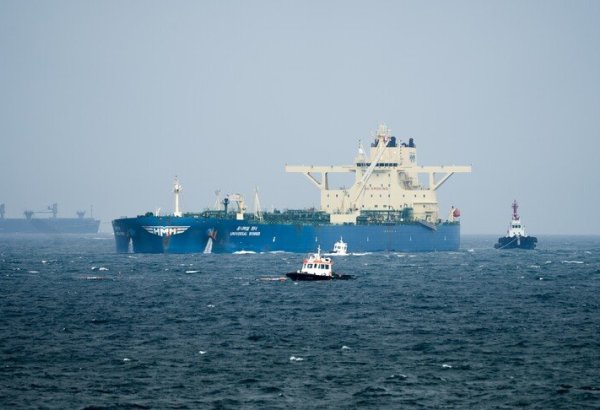
The data also showed that a separate empty tanker carrying liquefied petroleum products was sailing into the Gulf through the strait. No crude oil shipments were visible passing through the waterway on Friday.
Nine vessels crossed the Strait of Hormuz on Thursday, compared with five on Wednesday. However, Thursday’s figure remained below the August average of 12 vessels per day.
Some vessels may have passed through without being detected because their tracking transponders were switched off. Even taking that possibility into account, current traffic levels remain dramatically below those recorded before the US-Israeli war with Iran began in February.
More than 130 vessels crossed the Strait of Hormuz each day before the conflict, according to the available comparison. The sharp decline illustrates the extent to which military tensions have disrupted maritime commerce through the strategic waterway.
Torbjorn Solvedt, a principal Middle East analyst at risk intelligence company Verisk Maplecroft, said Iran’s ability to restrict shipping through the strait represents one of its most important sources of leverage in negotiations, alongside the threat posed to energy infrastructure in the region.
The near-halt in shipping through the Strait of Hormuz could have significant consequences for global energy markets, particularly if the disruption continues for an extended period. The waterway is a critical route for oil and other energy shipments from the Gulf to international markets.