


BAKU, Azerbaijan, July 29. Turkmenistan and Tajikistan have discussed increasing rail freight volumes and developing a stable tariff policy.
This was reflected in a press release issued by the press service of the Turkmen government.
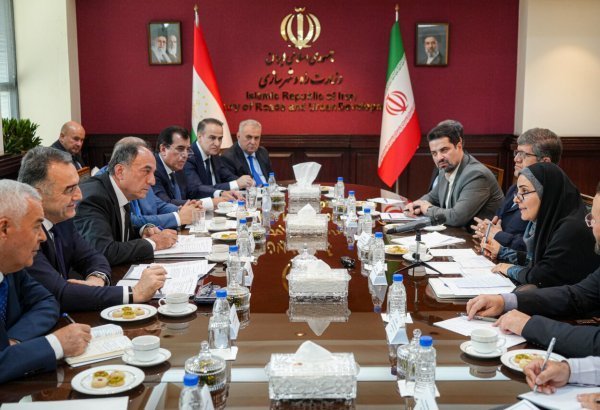
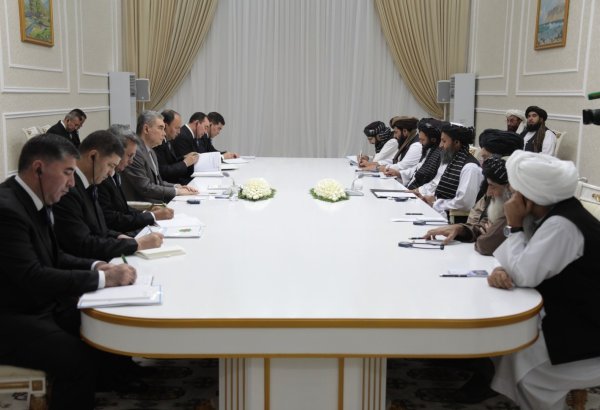
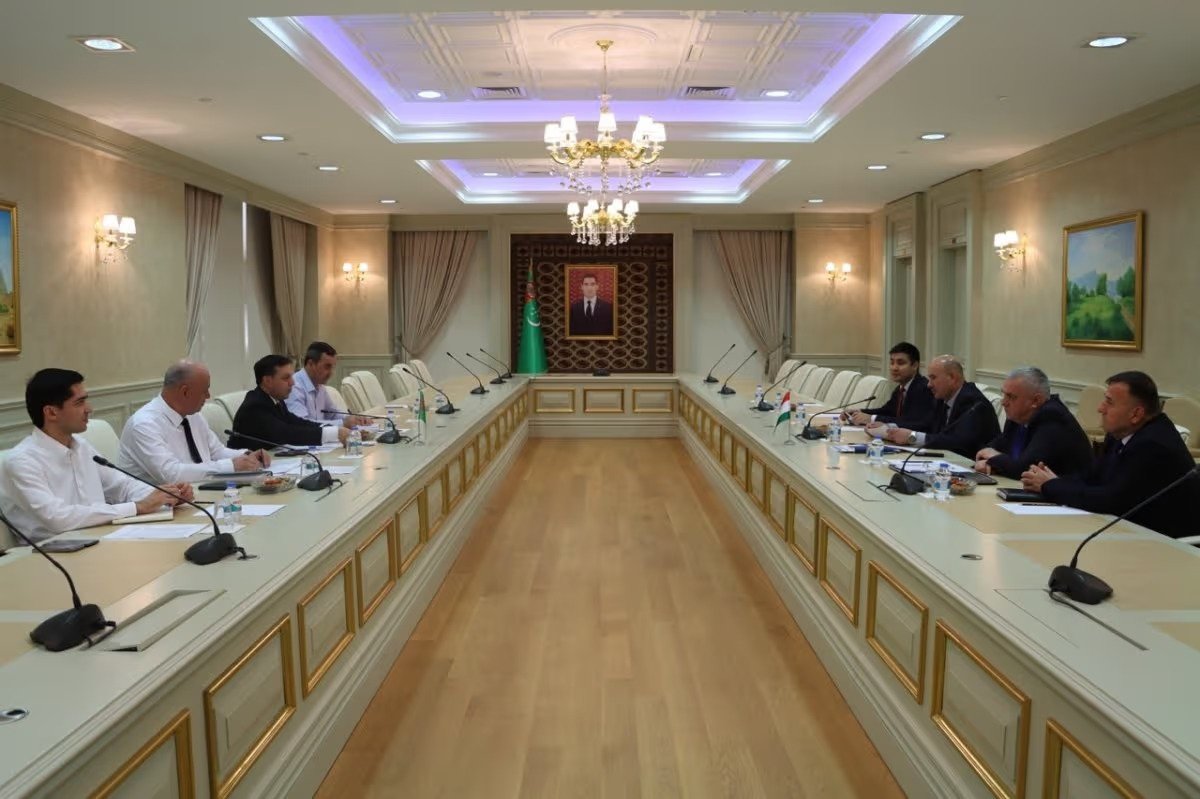
According to the press service, the issues were discussed during a meeting between Turkmen Deputy Railway Transport Minister Sylap Nurberdiyev and a Tajik delegation led by Deputy Chairman of the Tajik Railways state enterprise Karimzoda Rajabmurod.
"The sides reviewed current areas of partnership, paying particular attention to increasing freight volumes and developing a sustainable tariff policy," the press release said.
According to the government, the participants also exchanged views on strengthening transport and logistics links between the two countries.
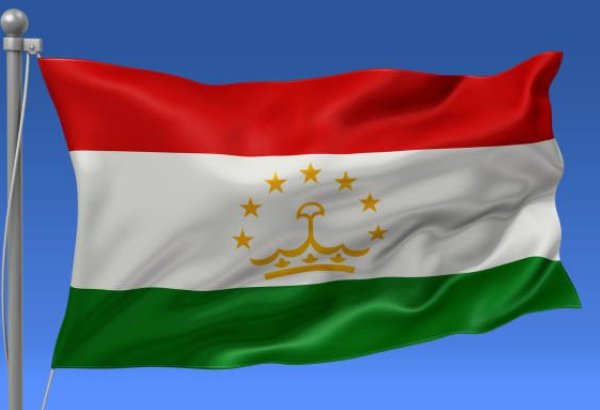
Relations between Turkmenistan and Tajikistan have gained momentum in recent months, particularly in trade, transport, and business cooperation. According to official Tajik statistics, bilateral trade reached about $10.7 million in the first half of 2026, with Tajik exports totaling $3.1 million and imports from Turkmenistan amounting to $7.6 million.
Economic ties have also been reinforced through business diplomacy. Earlier this month, the second meeting of the Turkmen-Tajik Business Council was held in Dushanbe, where representatives of the two countries discussed expanding trade, investment cooperation, and direct contacts between entrepreneurs. Officials from both sides described bilateral relations as entering a new stage of practical economic engagement.
Transport remains one of the central pillars of bilateral cooperation. In addition to expanding rail links, both countries view improved connectivity as part of broader regional transit initiatives linking Central Asia with the Caspian region, Iran, and international markets. Against this backdrop, the latest railway talks reflect a continued focus on facilitating freight flows and improving the competitiveness of regional transport corridors.