

Ahmed Al-Sayed Al-Helou Political researcher specializing in Asian affairs/ Future for Advanced Research and Studies (FARAS)
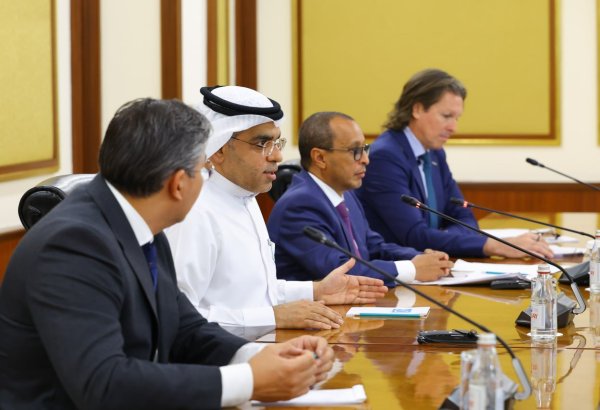
US Envoy Steve Witkoff has announced that the United States will meet with the Russian and Ukrainian delegations in Abu Dhabi on 10 and 11 November 2026 for a new round of trilateral talks aimed at advancing efforts to end the war. Witkoff and Jared Kushner will represent Washington at the talks, which are expected to focus on post-war security arrangements, de-escalation, humanitarian issues, and the steps needed to end the conflict. Moscow agreed to the new round after Witkoff met President Vladimir Putin in St. Petersburg on 21 October.
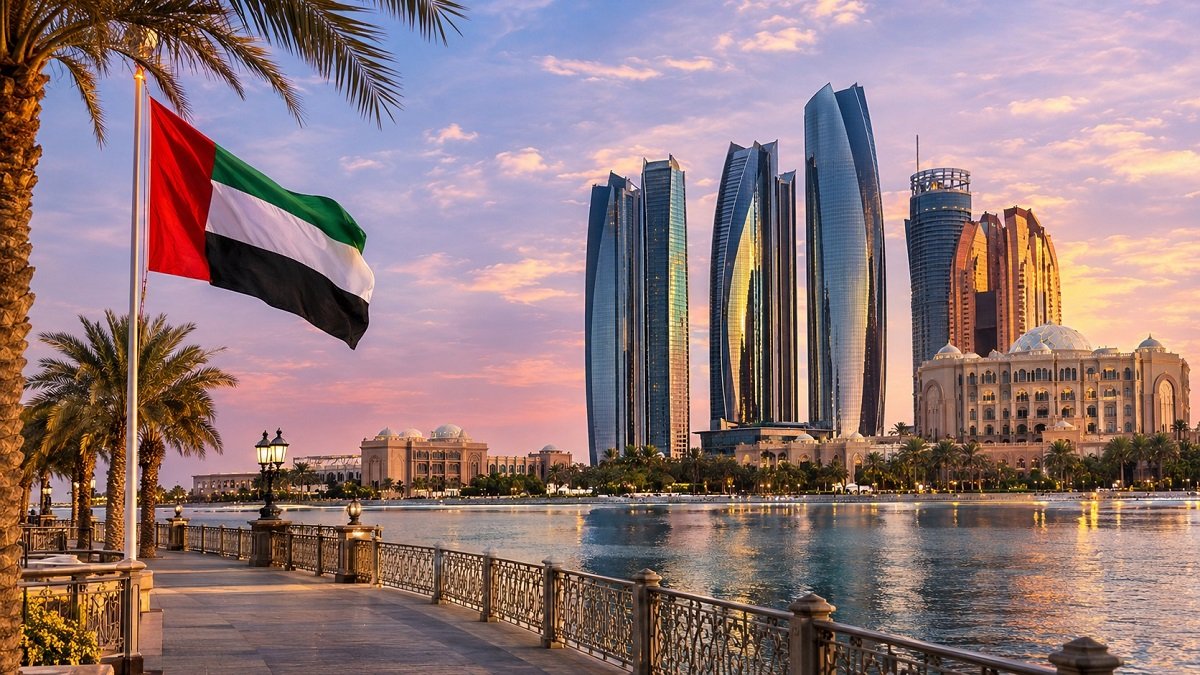
Abu Dhabi’s selection as host is more than the choice of a neutral venue. It reflects accumulated trust, strong relationships, and a record of successful mediation, which together have made the UAE one of the few countries with direct and effective channels to Russia, Ukraine, and the United States alike. Nor is the upcoming round a first for the UAE: it resumes a track that Abu Dhabi hosted in early 2026.
Factors Behind the Choice of Abu Dhabi:
Several key factors explain why Abu Dhabi was chosen, each of which has helped consolidate its standing as an accepted platform for dialogue between opposing parties.
1- A proven negotiating record:
The UAE is already part of the diplomatic architecture of these negotiations. On 23 January 2026, Abu Dhabi hosted the first round of trilateral talks between Russia, Ukraine, and the United States, a two-day meeting in which the delegations discussed the parameters for ending the war. Ukrainian President Volodymyr Zelenskyy called the meeting an important development at the time, noting that the parties had long lacked any format for direct dialogue.
The three delegations reconvened in Abu Dhabi on 4 and 5 February for a second round, which, according to the UAE, built on the outcomes of the first and explored areas for progress in the stages ahead. His Highness Sheikh Abdullah bin Zayed Al Nahyan, Deputy Prime Minister and Minister of Foreign Affairs, affirmed that the two rounds had produced “productive and constructive discussions” that revealed common ground on which to build. Days later, Zelenskyy pointed to developments from the Abu Dhabi meetings that would be discussed further in subsequent negotiations.
Returning to Abu Dhabi in November therefore means relying on a platform that all three parties have already tested and accepted, rather than searching for a new venue whose selection might itself require political negotiation.
2- A track record of humanitarian mediation:
The second, and perhaps most important, factor is the UAE’s cumulative success in brokering prisoner exchanges between Moscow and Kyiv. Since 2024, Abu Dhabi has emerged as one of the main mediators on this issue, drawing on its direct channels with both sides. As of 23 October 2026, Emirati mediation had facilitated 27 exchanges, securing the return of 8,537 prisoners from both sides.
The significance of these figures extends beyond the humanitarian dimension. Each exchange has put to the test Abu Dhabi’s ability to convey messages, ensure confidentiality, coordinate with the agencies and institutions of opposing sides, and reach arrangements acceptable to both. Trust built in this way becomes essential as negotiations move from specific humanitarian issues to more complex ones, such as a ceasefire, security guarantees, and post-war arrangements.
At certain stages, the humanitarian and political tracks have also overlapped. During the second round of trilateral talks in February 2026, Emirati mediation secured the release of 314 prisoners from both sides. In March, joint mediation by the UAE and the United States produced an exchange of 1,000 Russian and Ukrainian prisoners within two days, showing that Abu Dhabi can work alongside Washington, not merely between Moscow and Kyiv.
3- Balanced relations with all three parties:
Another factor lies in the nature of Emirati foreign policy itself. Despite the international polarization generated by the war, Abu Dhabi has maintained close relations with Russia while expanding its political, economic, and humanitarian ties with Ukraine and preserving its well-established strategic partnership with the United States.
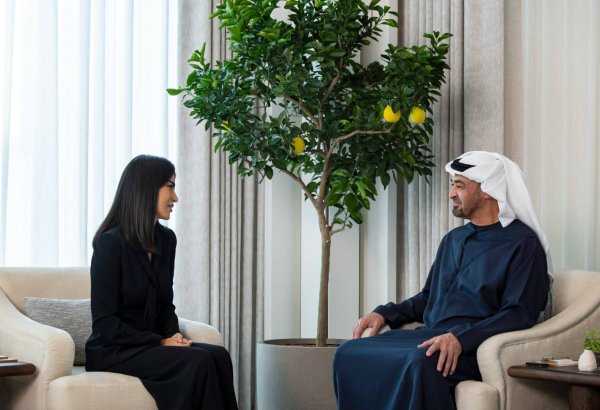
At the personal level, the UAE Ministry of Foreign Affairs has affirmed that the close relationships between His Highness Sheikh Mohamed bin Zayed Al Nahyan, President of the UAE, and both Putin and Zelenskyy have been a pillar of efforts to build trust and bridge differing views, as has the UAE leadership’s close relationship with the US administration. Ties at the highest level give the UAE an important advantage, since none of the parties sees it as a direct political adversary or as part of a platform aimed at pressuring it.
Putin has voiced his appreciation for this role directly. Beyond thanking the UAE leadership for its successful mediation of prisoner exchanges, he commended Abu Dhabi’s hosting of the trilateral talks during his meeting with the UAE President.
Zelenskyy, for his part, has repeatedly praised the UAE’s role in securing the return of Ukrainian prisoners and made the issue a central topic of his official visit to Abu Dhabi in February 2025. Bilateral relations have also deepened on the economic front with the Comprehensive Economic Partnership Agreement, which entered into force in July 2026, while Emirati humanitarian aid has benefited more than 1.2 million people in Ukraine.
4- American trust in the Emirati role:
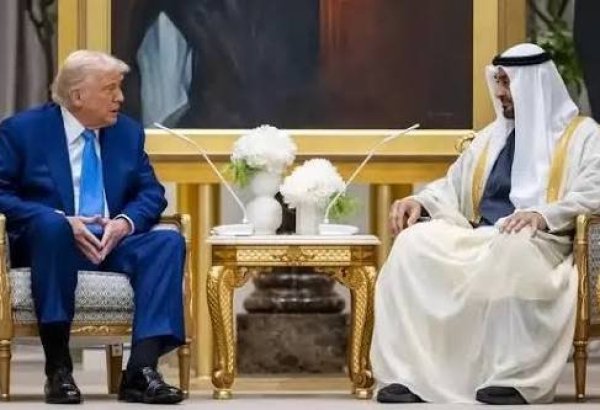
Witkoff’s selection of Abu Dhabi once again for the November round reflects Washington’s continued acceptance of the Emirati role. The choice is all the more significant given that the UAE has previously played a role in sensitive matters between the United States and Russia, with representatives of both present. For Washington, then, the UAE is more than a host for delegations. It is a partner that enjoys Ukraine’s acceptance while also offering channels of communication with Russia that many Western allies cannot access as easily.
5- A safe space for negotiation:
Beyond political considerations, Abu Dhabi offers an environment suited to negotiations that demand high levels of organization, security, and confidentiality, and it can readily host high-level political and security delegations. More important than logistics, however, is the UAE’s approach. In keeping with its past mediation, it does not seek to cast itself as the author of a settlement; instead, it provides the space and channels the parties need to negotiate.
Restraint of this kind matters especially in the current round, which tackles highly sensitive issues ranging from security guarantees and de-escalation to humanitarian concerns and post-war arrangements. All the while, Russia and Ukraine remain far apart on the terms of a final settlement.
Overall, Abu Dhabi’s hosting of the November talks marks a qualitative development in the Emirati role, which has gradually evolved from facilitating prisoner exchanges to hosting negotiations on the shape of a potential political and security settlement. The UAE’s success in providing the platform, however, does not necessarily mean it can resolve the fundamental differences between Russia and Ukraine, since the final decision rests with the parties and their own calculations.
Nevertheless, the delegations’ return to Abu Dhabi for a third time in a single year shows that the UAE has built up a store of diplomatic trust, making it a widely accepted platform for managing one of the world’s most complex conflicts. The same trust has also reinforced Abu Dhabi’s standing as an increasingly important hub for international diplomacy and mediation.