BAKU, Azerbaijan, May 22. As the 13th session of the World Urban Forum (WUF13) concludes in Baku, the final text of the Baku Call to Action has been officially published, establishing a comprehensive international framework that urges renewed global efforts to tackle the escalating housing crisis, TurkicWorld reports.
Developed through a extensive and inclusive consultation pipeline, the Baku Call to Action explicitly synthesizes the core priorities and strategic recommendations formulated throughout the panel tracks at WUF13, as well as during the months of preparatory multilateral dialogue leading up to the summit.
Rather than operating as a formally negotiated intergovernmental treaty, the Baku Call to Action serves to lock in shared priorities and practical field steps generated via live debates and stakeholder proposals at the forum. The document is engineered to function as a strategic roadmap for collective responsibility and heightened cross-border cooperation in resolving systemic housing deficits across diverse geographic and economic contexts.
With an estimated 2.8 billion people worldwide currently living in substandard housing conditions, the document underscores the urgent necessity for more aggressive, synchronized interventions across all tiers of government to alleviate the mounting pressure bearing down on national housing supply systems.
A foundational pillar of the Baku Call to Action is the institutional mandate that housing must never undergo evaluation exclusively through the narrow lens of physical construction. Instead, the document demands the cultivation of integrated residential ecosystems tightly woven with proactive land-use management, baseline infrastructure, public transport networks, universal utility services, and local economic opportunities.
Throughout the WUF13 sessions, delegations repeatedly highlighted that the global housing crisis is being accelerated by a matrix of interconnected macro-factors. These include soaring real estate prices, speculative land acquisitions, forced displacement cycles, weak regulatory governance systems, and climate anomalies. The Baku Call to Action asserts that mitigating these structural challenges requires a decisive departure from fragmented municipal approaches in favor of holistic, human-centric urban design models.
The final text concurrently directs sharp analytical focus toward the compounding intersections connecting housing security and global climate change. It underscores that populations navigating high levels of residential vulnerability are simultaneously the most exposed to acute climate risks, including catastrophic flooding events, extreme heat waves, and localized environmental degradation.
To build systemic resilience, the Call to Action recommends aggressively expanding public and private investment into climate-resilient housing systems. It advocates for the deployment of nature-based solutions, the deep retrofitting and green renovation of existing residential stock, grassroots community-led development initiatives, and the reinforcement of localized disaster preparedness frameworks.
Beyond merely diagnosing global urban deficits, the document places its primary emphasis on implementation mechanics and shared operational accountability. It issues an explicit call to reinforce multi-level governance architectures, expand innovative municipal financing mechanisms, optimize access to localized spatial data, augment institutional support for municipal authorities, and empower grassroots communities to execute field-level solutions.
As highlighted across the closing tracks of WUF13, a vast array of scalable urban solutions are already undergoing deployment by forward-thinking cities, local communities, and international partners worldwide. The Baku Call to Action seeks to consolidate this vast repository of global field experience and accelerate its transformation into unified, collective actions long after the formal adjournment of the Baku forum.
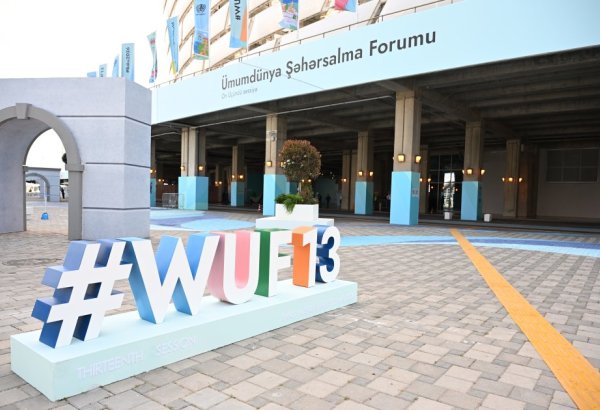
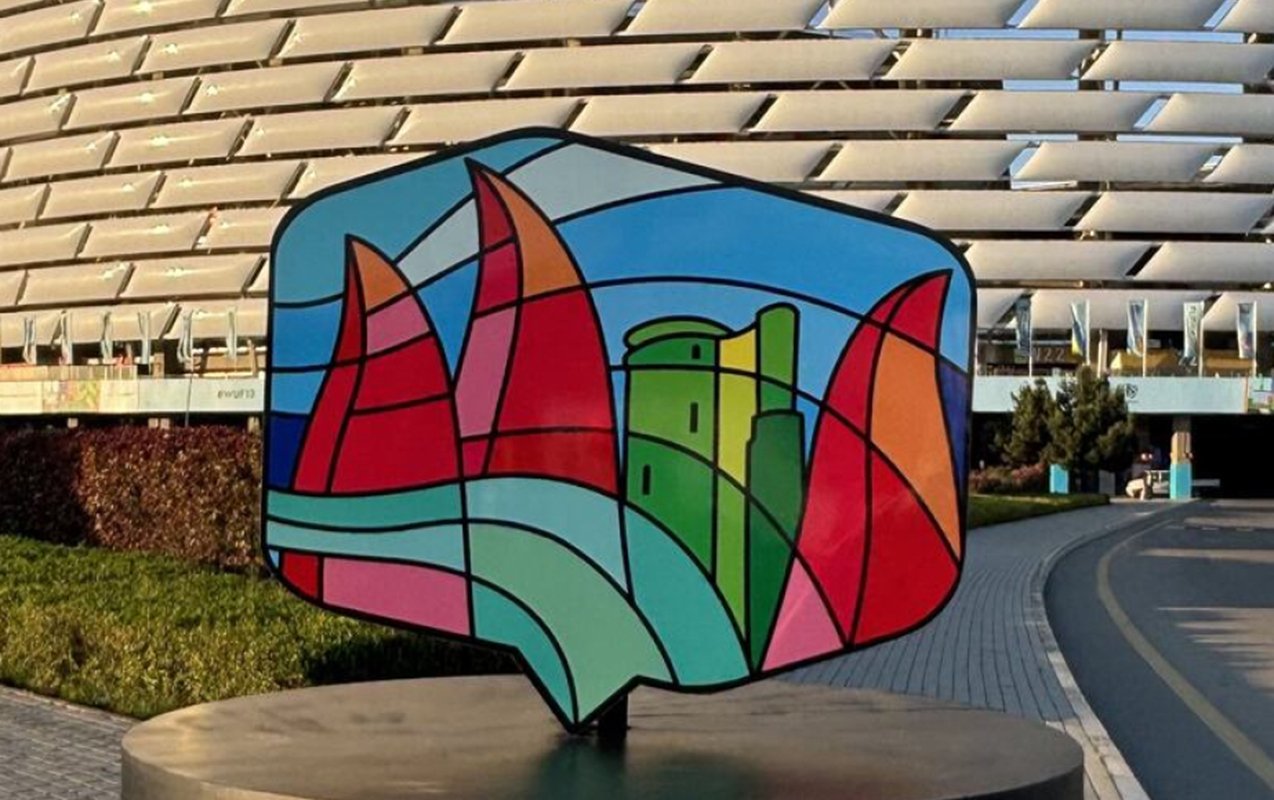
The thirteenth session of the World Urban Forum (WUF13) was held in Baku from May 17 to May 22.
Convened by UN-Habitat and co-organized with the Government of the Republic of Azerbaijan, WUF13 was held under the theme “Housing the world: Safe and resilient cities and communities”.
The Forum hosted 579 sessions throughout the week, while the Urban Expo brought together 260 exhibitors, innovators and solution providers. WUF13 featured 11 heads of state, 9 high-level guests, 88 ministers and 76 deputy ministers, and 130 mayors, alongside representatives of international organizations, financial institutions, academia, civil society and grassroots organizations.
A key outcome emerging from WUF13 was the presentation of the Baku Call to Action, a stakeholder-led document developed through contributions from civil society organizations, local authorities, practitioners, researchers, community representatives and other urban actors. Framed around the urgent global housing crisis, the Call to Action advocates for renewed political commitment to adequate housing through people-centred, inclusive and climate-resilient approaches, while encouraging stronger multilevel governance, investment and community participation in housing solutions.