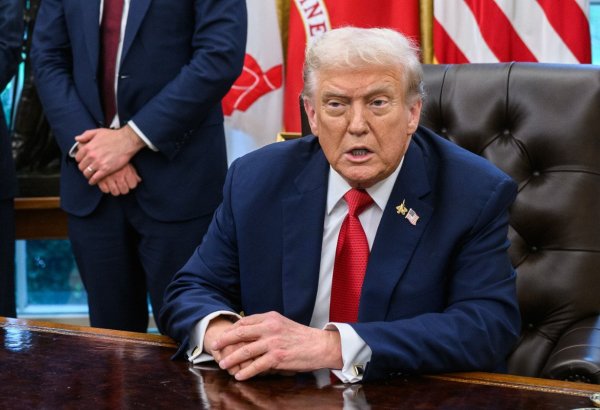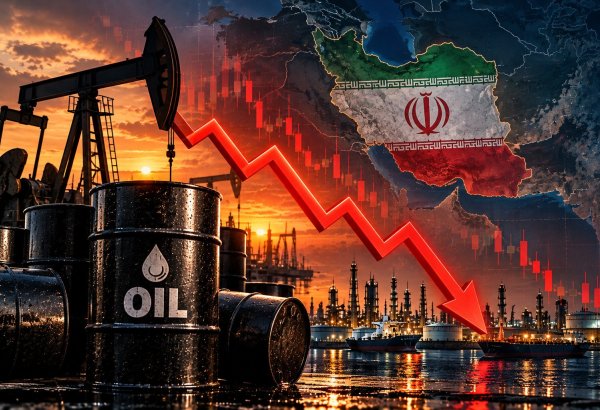







BAKU, Azerbaijan, August 14. The United States has threatened to maintain an “indefinite” naval blockade of Iranian ports and introduce additional measures aimed at isolating Iran economically as ceasefire negotiations between Washington and Tehran remain deadlocked.
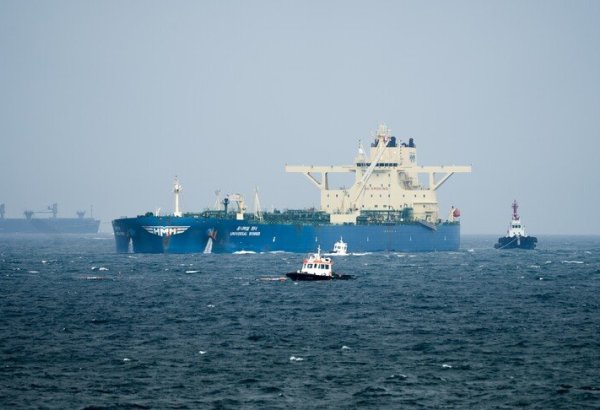
The threat comes amid continued disruption in the Strait of Hormuz, a strategically vital waterway that Iran closed in early March, shortly after the war began. Although US President Donald Trump has claimed that the United States has “full control” of the strait, only a limited number of vessels have managed to pass through the waterway this week.
The situation has also raised concerns within the United States over the condition of personnel deployed in the region. US lawmakers have reportedly expressed alarm following accounts of difficult conditions aboard the USS Abraham Lincoln, including reports that some sailors had attempted to jump overboard.
The growing pressure on Iran is unfolding as Washington and Tehran remain unable to reach agreement on a ceasefire. The prospect of a prolonged blockade raises questions over whether the United States has the military, logistical and economic capacity to sustain such an operation over an extended period.
A naval blockade requires continuous deployment of warships, aircraft, surveillance assets and personnel, while also creating significant political and economic costs. Maintaining pressure on Iranian ports for an indefinite period could therefore prove considerably more complicated than announcing the policy.
For Iran, the central question is whether it can withstand the pressure long enough for the political and economic costs of the blockade to become unsustainable for Washington. The situation around the Strait of Hormuz will remain particularly important, given the waterway’s significance for international shipping and energy supplies.
The standoff therefore risks becoming a test of endurance between the two countries, with the effectiveness of the blockade depending not only on US military capabilities but also on Iran’s ability to adapt and on how long Washington is willing to bear the costs of maintaining the pressure.