





BAKU, Azerbaijan, May 17.
By Abdulhamid Hamid Al-Kba
The summit of the Organization of Turkic States (OTS), held in the Kazakh city of Turkistan, took place amid a rapidly evolving regional environment increasingly shaped by technology and digital transformation, while economic and cultural issues continued to remain central to the organization’s agenda,TurkicWorld reports.
The summit featured extensive discussions on artificial intelligence, the digital economy, and technological infrastructure development, with growing emphasis on strengthening connectivity among member states in these sectors.
Kyrgyzstan emerged during the summit as a country seeking to expand its role in the organization’s digital transformation projects through the development of e-government services, broader adoption of artificial intelligence technologies, and improvements to digital infrastructure.
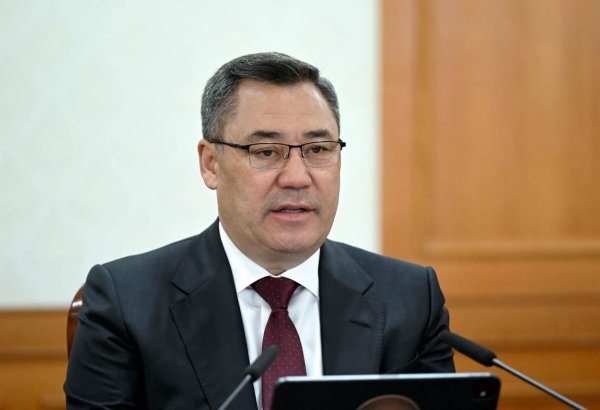
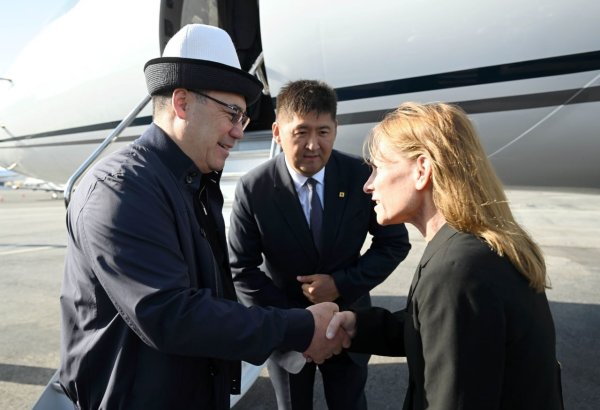
President Sadyr Japarov arrived in Kazakhstan to participate in the summit, with his aircraft landing at Hazrat Sultan International Airport in Turkistan, where he was officially welcomed by Kazakh State Counselor Erlan Karin and other officials.
The summit sessions focused on the future of the digital economy within the Turkic world, including artificial intelligence applications, telecommunications development, and enhanced cooperation in data and digital services.
In his remarks, the Kyrgyz president pointed to the ongoing transformations in the global economy, where technology and artificial intelligence are increasingly reshaping economic power balances alongside traditional resources.
At the national level, Kyrgyzstan has been implementing a range of digital initiatives, including the designation of Bishkek as the “Digital Capital of the Turkic World” for 2025, aimed at strengthening the country’s position within the region’s technological agenda.
In May 2026, the Kyrgyz parliament approved the digital economy partnership agreement among OTS member states, covering the facilitation of e-commerce, the development of cross-border digital transactions, and the establishment of shared regulatory frameworks.
This coincided with the launch of the “Kyrgyzstan AI Supercluster” project, which aims to develop artificial intelligence applications in healthcare, education, and agriculture, in addition to multilingual language models reflecting local linguistic and cultural characteristics.
Kyrgyzstan is also developing a local language model known as “AkylAI,” trained on Kyrgyz-language data using open-source technologies as part of broader efforts to strengthen local digital content.
These initiatives reflect Kyrgyzstan’s gradual efforts to reinforce its role within the digital transformation agenda of the Organization of Turkic States, particularly through expanding digital government services and technological infrastructure projects.
The summit also focused on telecommunications development, expanding computing capacities, and enhancing cooperation in satellite technologies, alongside accelerating the digitalization of public services across member states.
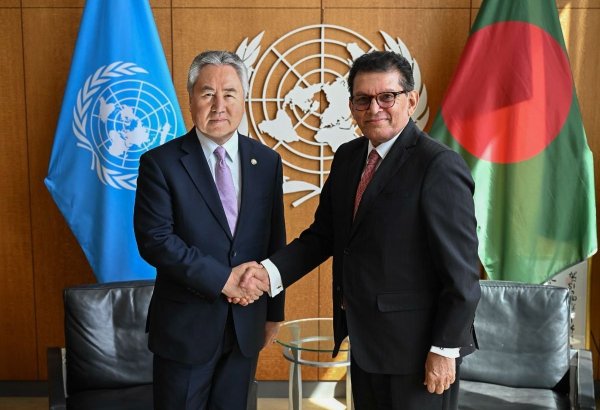
Meetings of foreign ministers additionally addressed cybersecurity and artificial intelligence, while exploring ways to transform existing cooperation frameworks into practical projects in transportation, trade, and logistics.
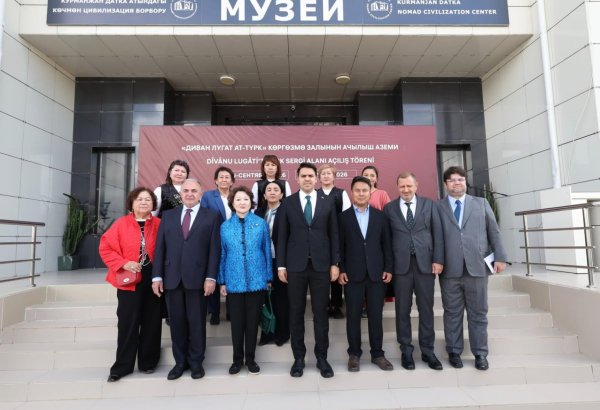
On the cultural side, the proposed “Center of Turkic Civilization” in Turkistan was presented as an initiative aimed at connecting historical heritage with digital platforms and interactive technologies.
The summit program also included a visit to the Mausoleum of Khoja Ahmed Yasawi, reflecting the symbolic importance of shared historical identity among member states.
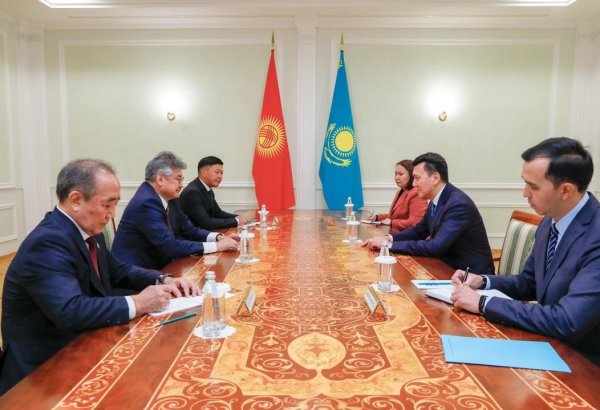
On the sidelines of the summit, President Japarov held bilateral talks with Uzbek President Shavkat Mirziyoyev, focusing on economic cooperation, energy, transportation, and investment.
The outcomes of the summit reflected the Organization of Turkic States’ continuing expansion toward technology and the digital economy alongside its traditional political and cultural priorities.
The main challenge, however, remains the ability of member states to transform digital initiatives into practical joint projects, particularly given the varying levels of technological readiness across the organization.