
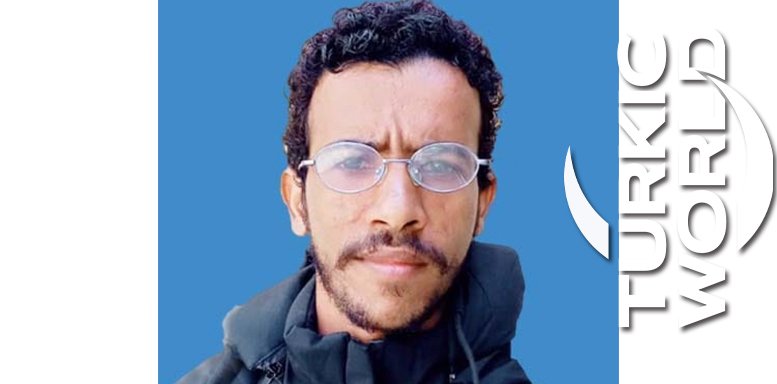
BAKU, TurkicWorld — Abdulhamid Hamid Al-Kabi
Writer and researcher specializing in Central Asia and Azerbaijan affairs
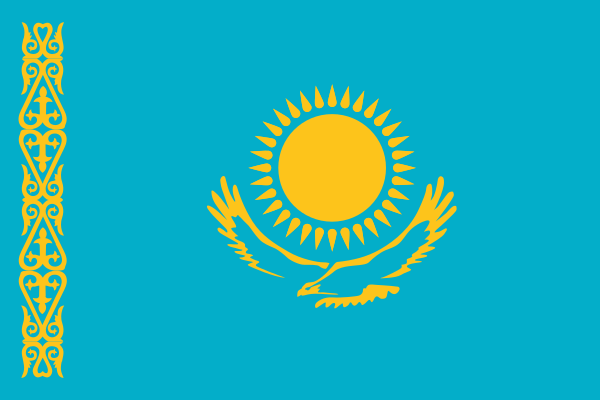
The past ten years, as I’ve been following Central Asia closely, Kazakhstan has stood out to me as a country that is quietly but seriously reinventing itself. It used to be known almost exclusively for its enormous reserves of oil, gas, and minerals. Now, it’s betting heavily on becoming a digital and fintech leader in the region. This isn’t just another government initiative that looks good on paper — you can actually see the changes happening in everyday life.What strikes me most is how clearly the leadership has understood a simple but uncomfortable truth: natural resources alone won’t secure the future. They know they need to build something more sustainable — an economy that attracts serious foreign investment and offers real opportunities to the young generation. That’s why digitalization has moved from being a nice slogan to a genuine national priority.
Kazakhstan now has the biggest and fastest-growing fintech market in Central Asia. The speed of the shift away from cash has been impressive. Digital payments and cards now dominate, making up roughly 85-90% of transactions in recent years. This change goes beyond technology; it shows that people are increasingly comfortable trusting digital systems with their money.The standout story here is Kaspi.kz. What began as a regular bank has turned into a powerful super app that combines banking, shopping, payments, and daily services. With more than 13.5 million active monthly users in a population of about 20 million, it has become part of the fabric of daily life for a huge portion of the country. It’s hard to overstate how much influence this single platform now has.
The broader fintech scene is also picking up real momentum. Venture capital is flowing in, and the number of startups has grown significantly. You can feel a certain energy and optimism in the ecosystem that wasn’t there a decade ago. Other big players haven’t stayed behind either. Halyk Bank has done a solid job transforming through its Homebank app, while Freedom Holding is pushing hard with its Freedom SuperApp, especially in digital investments, and is even looking to expand regionally.Of course, none of this progress would have been possible without strong government support.
The Astana International Financial Centre (AIFC) has created a more open and investor-friendly regulatory environment based on English law. At the same time, the country has moved forward with the Digital Tenge, its own central bank digital currency, which has now entered limited use in government projects and some public payments. Open Banking has also been embraced as part of the wider modernization effort.On the political side, an important piece of the puzzle fell into place on March 15, 2026. The constitutional referendum passed with 87.15% approval. The new constitution reintroduced the Vice President position, adjusted appointment processes for senior officials, and created new institutions. Personally, I see these changes as potentially helpful in providing a more stable legal backbone for the digital reforms — especially around data protection, cybersecurity, and digital assets.
That said, I’m not blindly optimistic. Real challenges remain. When so much activity is concentrated in just a few big apps, risks around fraud and data security naturally increase — and there have already been some worrying incidents. Strict data localization rules, while understandable from a sovereignty perspective, are making things more expensive for foreign companies. And then there’s the urban-rural gap, which remains significant. Almaty and Astana are moving fast into the digital future, but many rural areas are still struggling with basic internet access.
My Personal Take:Kazakhstan is running one of the more ambitious and interesting experiments in the region right now. The decision to push constitutional reform alongside aggressive digital transformation shows real strategic thinking. But in my view, the real test isn’t how many impressive apps they launch or how good the statistics look. The real test is whether this transformation actually reduces corruption, builds greater transparency, protects ordinary citizens’ data, and spreads the benefits beyond the big cities to the rest of the country.
At the end of the day, what Kazakhstan is attempting is not easy. It’s trying to move from a resource-dependent economy to a modern digital one while also updating its political institutions. If they manage to stay the course and address the problems honestly — especially the digital divide and trust issues — they have a genuine opportunity to become a meaningful financial and technological hub not just for Central Asia, but across a much broader Eurasian space.I’ll certainly be watching closely in the years ahead.