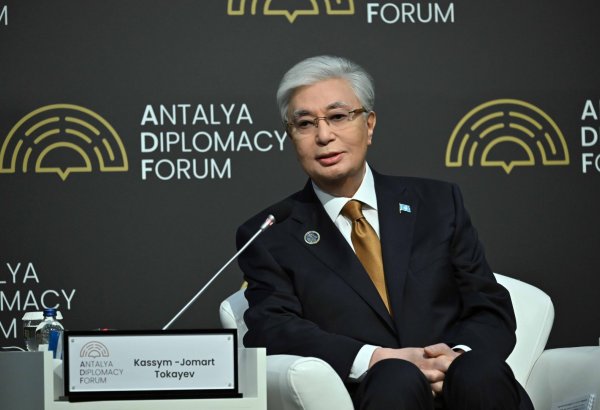






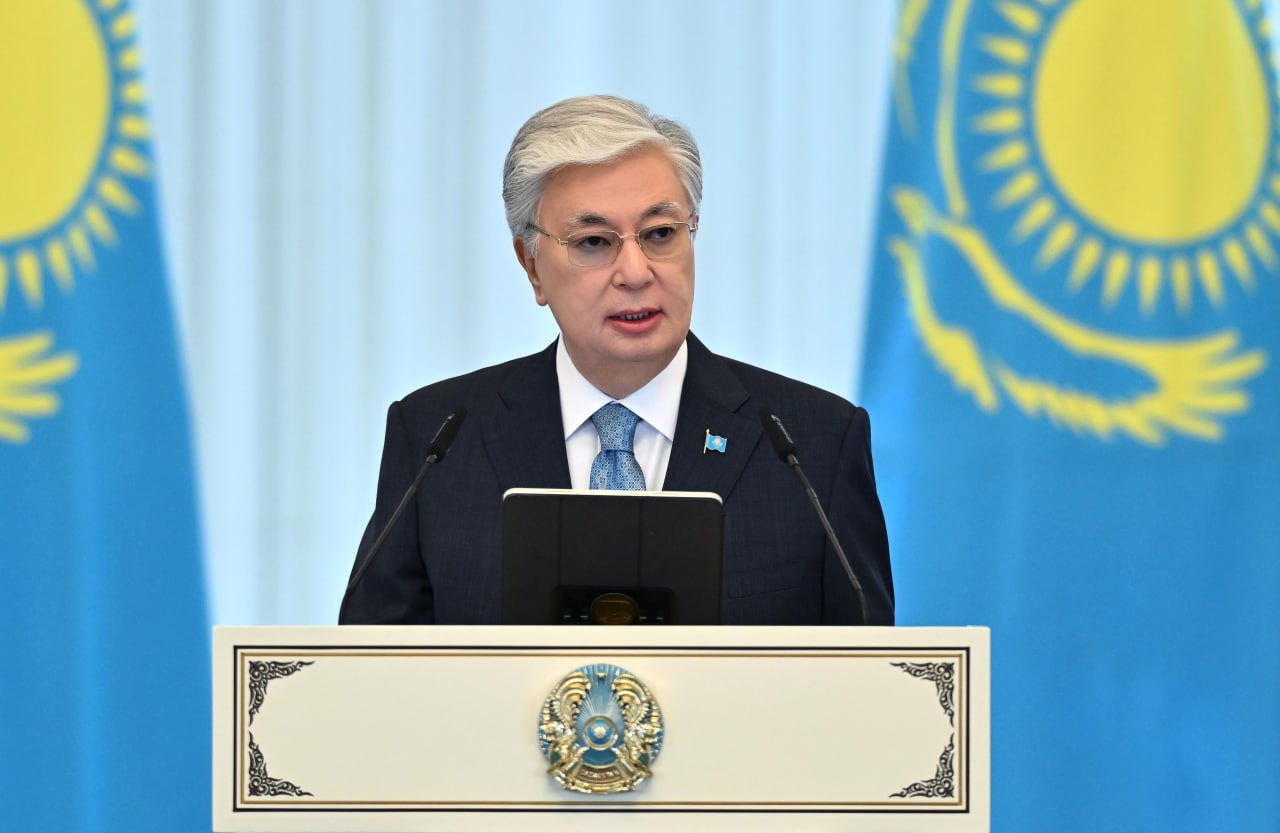
ASTANA, Kazakhstan, January 9. President of Kazakhstan Kassym-Jomart Tokayev has signed the Digital Code, TurkicWorld reports via the press service of the president.
The Ministry of Artificial Intelligence and Digital Development of the country states that this document provides a systematic approach to the development of digital technologies, the implementation of artificial intelligence, and the creation of a secure and sustainable digital environment.
The Digital Code enshrines digital human rights in a comprehensive manner. Citizens are guaranteed the right to delete, anonymize, and restrict the processing of personal data. Biometric identification is permitted only in cases defined by law.
The Code also introduces the right to appeal decisions made by algorithmic and automated systems, with the involvement of authorized specialists. This provision aims to increase transparency and accountability of digital and AI-driven decisions affecting citizens' rights.
In addition, the Code establishes a legal framework for digital interactions, defining digital documents, data, and digital proofs, such as codes, one-time identifiers, and biometric methods. It also grants special protection to national digital assets, which are declared inalienable.
The Digital Code paves the way for the use of modern technological solutions, including smart contracts and distributed systems, and introduces a platform for the exchange and circulation of digital data products.
Digital transformation is now a mandatory process for all government bodies, state-owned enterprises, and quasi-state sector entities, and they will be required to develop and implement annual digital transformation programs, with their effectiveness being measured.
Cybersecurity is a key focus, with new standards for protecting digital assets, data, and infrastructure. The Code also includes provisions to ensure that digital technologies and services are accessible to people with disabilities and those with limited mobility.