
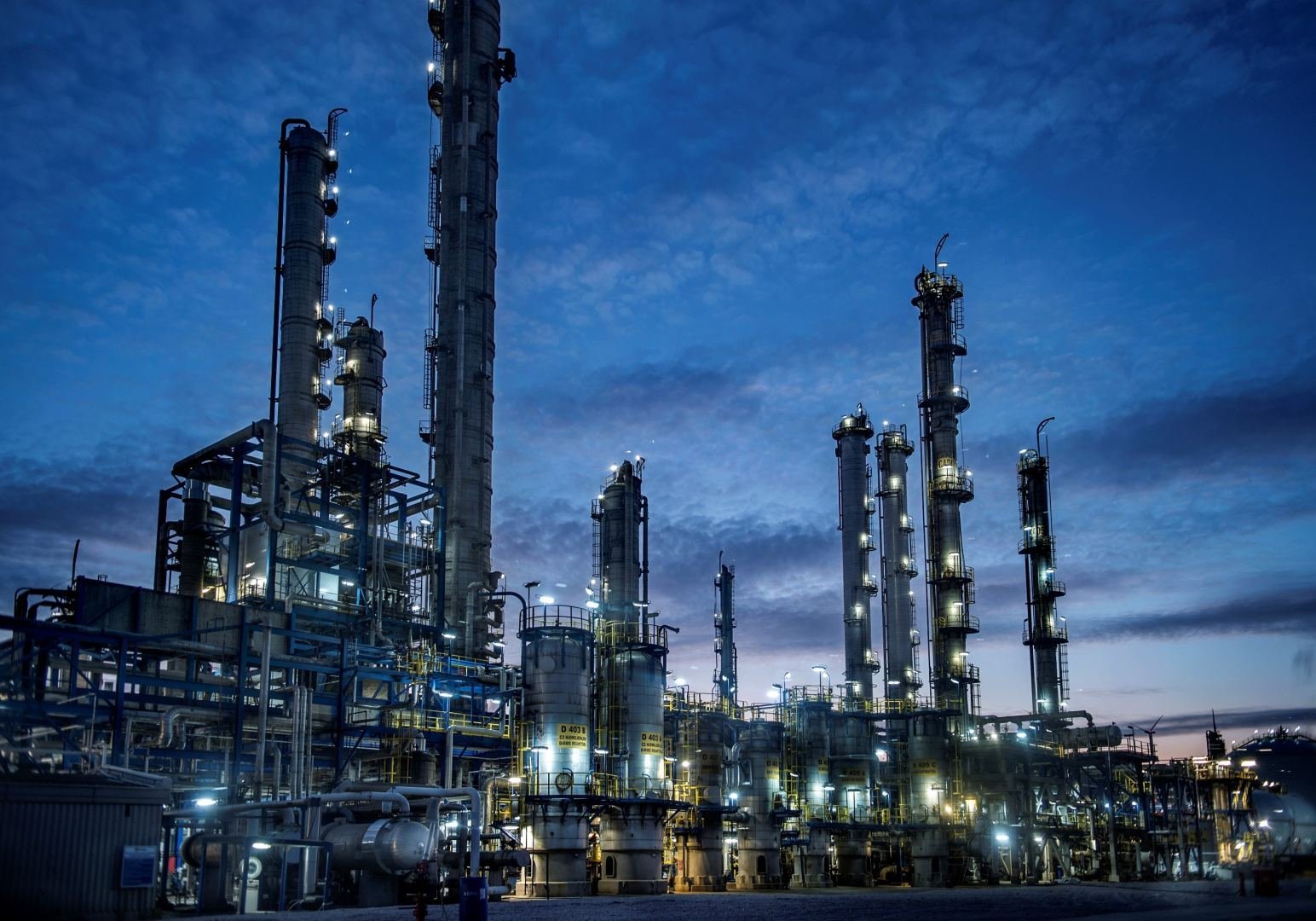
BAKU, Azerbaijan, September 29. Petkim, the Turkish petrochemical company owned by Azerbaijan’s SOCAR, has launched work under its Master Plan project, which envisages new production facilities for ethylene, polypropylene and polyethylene, the company said on its website.
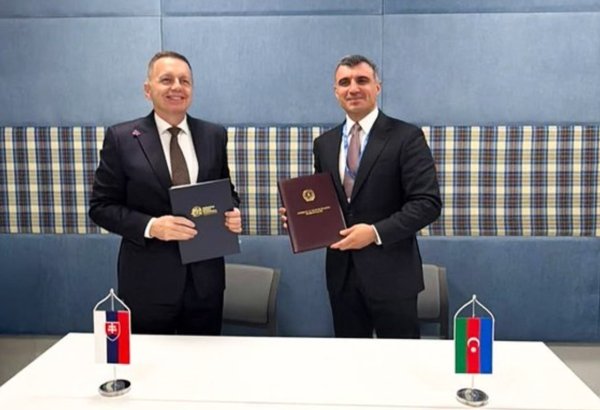
The company has officially started Front-End Engineering Design (FEED) studies under the project and signed FEED, licensing and engineering agreements with leading international technology licensors and engineering companies. Petkim allocated $70 million for the FEED studies, which are expected to be completed by the end of 2027 and are intended to form the basis for a potential final investment decision.
Under the Master Plan, Petkim aims to increase its ethylene and polypropylene production capacities, while more than doubling its total polymer production capacity from current levels. Following the Memorandum of Understanding signed between SOCAR and Technip Energies in July, Petkim and Technip Energies signed a FEED agreement as well as a licensing agreement covering Mixed Feed Steam Cracker (MFSC) technology. The FEED phase, which follows the pre-FEED studies, will include a detailed assessment of the project’s scope as well as its technical, commercial and economic parameters.
As part of the Master Plan, Petkim also signed a licensing agreement with Univation Technologies, LLC for the polyethylene unit under consideration. A licensing and engineering agreement was signed with Lummus Novolen Technology GmbH for the polypropylene unit.
Technip Energies also signed a licensing agreement with Petkim for MFSC technology. According to the company, the agreements mark an important stage in the contractual processes related to the various production units and technologies being evaluated under the Master Plan.
Petkim targets significant increase in production capacity
Following completion of the FEED studies, and subject to a final investment decision, Petkim plans to increase its annual ethylene production capacity from 588,000 tons to 1.2 million tons. Its annual polypropylene capacity is planned to rise from 145,000 tons to 550,000 tons.
With the new units and capacity expansions being evaluated under the Master Plan, Petkim’s total polymer production is also expected to increase to more than twice its current level.
Petkim General Manager and SOCAR Türkiye Refining and Petrochemicals Business Unit President Kanan Mirzayev said the signing of the FEED agreement with Technip Energies following the July MoU represents a concrete step showing that the project is progressing as planned.
"During the FEED phase, we will evaluate the technical and commercial parameters of the project in greater detail and carry out the engineering studies that will form the basis for the final investment decision. At the same time, the signing of licensing and engineering agreements for polyethylene, polypropylene and MFSC technologies demonstrates that we have made significant progress across different components of the project. We have allocated a total of $70 million for the FEED process. We see this as an investment in Petkim’s future.
If the investments evaluated under the Master Plan are implemented following the completion of the FEED studies and a potential final investment decision, we aim to significantly increase our ethylene and polypropylene capacities and more than double our total polymer production from its current level. We view our Master Plan project as a strategic transformation project that will address Türkiye’s long-term needs in the petrochemical sector while supporting Petkim’s competitiveness and sustainability. We believe that the steps taken at this stage will contribute to Petkim’s future and the development of Türkiye’s petrochemical ecosystem," Mirzayev said.
The Master Plan is also aimed at supporting the long-term sustainability of Petkim’s existing production infrastructure, developing its production capacity and technological infrastructure, and further strengthening the integration between refining and petrochemicals.
Petkim said an assessment regarding the final investment decision under the Master Plan will be conducted after completion of the FEED studies.