






BAKU, Azerbaijan, September 10. Israeli Prime Minister Benjamin Netanyahu is facing renewed criticism over his record in office as he approaches his 13th parliamentary election, with opponents accusing him of using deflection and claims of victimhood to withstand political pressure.
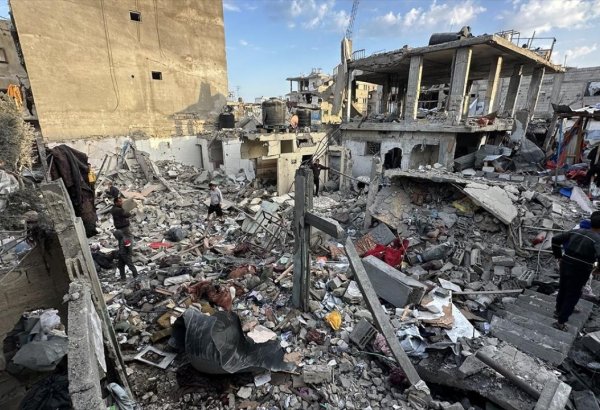
Netanyahu is Israel’s longest-serving prime minister and its most electorally successful, but his tenure has also been marked by the country’s major internal security failures and the devastating war in Gaza.
Critics argue that despite the scale of the security and political crises surrounding his government, Netanyahu has managed to remain in power by portraying himself as the target of political attacks and external pressure.
His political strategy, according to his critics, has repeatedly involved rejecting allegations, challenging the motives of his opponents and shifting attention toward claims of political or foreign interference.
The debate intensified after the Israeli newspaper Haaretz reported that the United Arab Emirates had allegedly warned Netanyahu in advance about the Hamas-led attack in 2023.
Rather than prompting an immediate political reckoning, the report was followed by legal action, counter-accusations and claims that foreign actors were attempting to interfere in Israel’s elections.
Netanyahu’s supporters have continued to defend him, while his opponents argue that the controversy illustrates a broader pattern in which allegations surrounding his leadership are reframed as attacks against Israel or attempts to undermine the country’s political system.
The developments come as Israel approaches another parliamentary election, with Netanyahu once again seeking to maintain his political dominance amid intense domestic and international scrutiny.