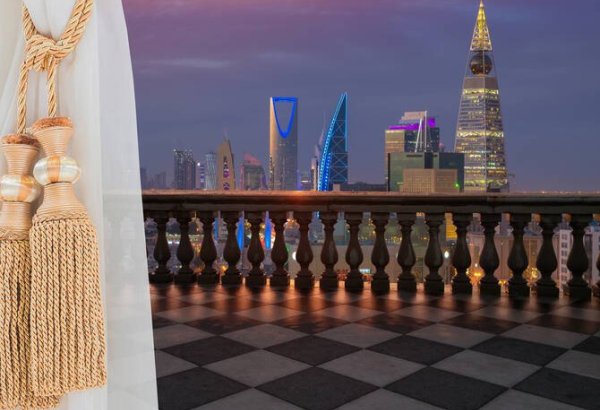







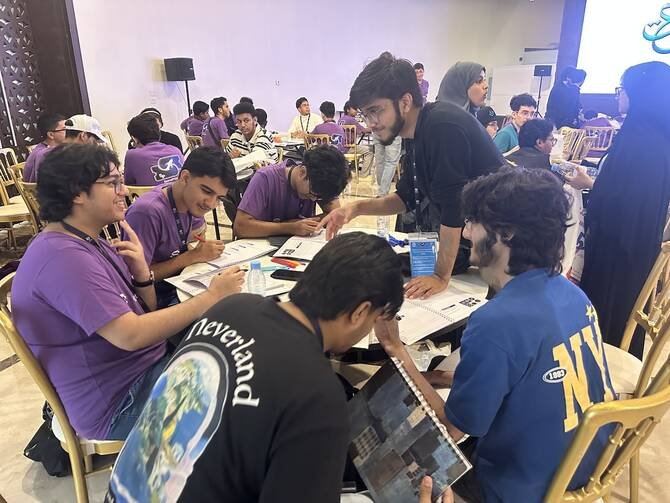
The Space Prize Foundation, a global nonprofit focused on expanding youth participation in the space economy, launched the Space Prize KSA Future Innovator Challenge at Effat University in Jeddah on Sunday, bringing together students aged 12 to 18 for a three-day program focused on space, technology and innovation TurkicWorld reports via arabnews.
The initiative invites students from across the Kingdom to explore the future of space exploration, sustainability and emerging technologies through a multi-stage competition that will conclude with an awards ceremony during the Future Investment Initiative in October.
Participants are taking part in interactive workshops and engineering challenges, including sessions on artificial intelligence ethics, design thinking and space-related problem-solving. The program also features hands-on activities, including hologram construction and paper helicopter design projects, introducing students to key science and engineering concepts.
The Jeddah Space Camp is the first stage of the challenge, giving students practical exposure to STEM disciplines while fostering creativity, teamwork and innovation.
Maryam Sani, executive director of Space Brains and challenge lead for the Space Prize KSA Future Innovator Challenge, said that Saudi Arabia was a natural choice for the initiative because of its strong STEM education system and rapidly growing space sector.
Sani said Saudi Arabia has long demonstrated strong engagement in science and technology education. She said that the challenge is less about sparking interest in STEM and more about helping young people identify emerging sectors where they can apply their skills and build careers.
“The space sector remains one of those fields where many students are still unaware of the wide range of opportunities beyond becoming an astronaut. The industry touches everyday life through technologies and innovations that originated from space research and exploration.”
Saudi Arabia's space ecosystem has developed rapidly in recent years, creating new opportunities for young people to pursue careers in the sector.
Sani recalled meeting a student years ago who dreamed of becoming an astronaut when such ambitions seemed out of reach. Today, she said, the Kingdom’s growing space sector has made those aspirations increasingly attainable.
She said that each Space Prize initiative is tailored to its host country. Previous editions featured projects such as CubeSat design challenges, while the Saudi program introduces new elements, including Mission RedCode and a video-based innovation challenge, reflecting the Kingdom's growing focus on technology, creativity and future-ready skills.
Among the participants was 14-year-old Jude Abou Najah, a Palestinian student living in Saudi Arabia whose passion for space began at an early age.
“I’ve loved space since I was little, so when I found out about the competition, I really wanted to join,” she said.
Reflecting on the first day of the program, Jude said the experience had already exceeded her expectations. She hopes to pursue a career in the space sector, although she has not yet decided on a specific field.
Damien Aldridge, founder and executive director of STEMAIVERSE, said he has visited the Kingdom over the past four years to deliver STEM-focused initiatives, adding that this year’s program places a particular emphasis on integrating STEM education with AI.
“Students pick it up, they love it,” he said. “I’d love to bring this opportunity to other communities across the Kingdom, not just Jeddah. But I love Jeddah. It’s been really good to me.”
Although the program has only just begun, Aldridge said the large number of applicants reflects strong interest from students, parents and schools.
“We have a huge waiting list for this event. It shows there’s real demand not only from parents, but also from students and schools,” he said.
Aldridge added that rapid technological change is creating a need for learning opportunities beyond the traditional classroom.
“Parents aren’t keeping up, businesses aren’t keeping up, schools aren’t keeping up. So how do these students keep up with the times?” he said.
Aldridge said programs that combine STEM education with artificial intelligence equip students with practical skills and a future-focused mindset.
He added that the initiative aligns with Saudi Arabia’s growing focus on AI and emerging technologies as the Kingdom continues to invest in innovation and future-ready skills for younger generations.
On Monday, students will hear from a space law expert before taking part in coding exercises and a rocket design project. The rockets will be launched later in the day, with onboard coded components measuring flight performance, allowing participants to analyze the results, identify improvements and reflect on the engineering process.
The day will conclude with a virtual question-and-answer session with a NASA astronaut. On Tuesday, students will complete a Mars landing challenge as their capstone project, working in teams to design, test and present their solutions.
The camp will conclude with a closing ceremony where participants will display their projects. The event will also feature Saudi astrophotographer Saeed Sultan Baghdadi, with awards presented to the winning teams and recognition given to students, judges and volunteers.
At the end of the camp, 20 participants will be selected to advance to the second stage of the competition. Qualified participants will compete in the Innovation Video Challenge, creating a two-minute concept video showcasing their ideas using digital tools. Entries will be judged on creativity, communication and feasibility.
As part of the program, the Space Prize team will work with school leaders and science educators to help integrate the curriculum into classroom activities and STEM programs.
Four top innovators will receive major prizes, recognition and ongoing mentorship, with additional awards to be announced during the final event at the Future Investment Initiative.
Submissions will be evaluated by an international panel of judges from a range of professional fields, reflecting the multidisciplinary nature of the space and innovation sectors.