






BAKU, Azerbaijan, August 27. Uzbekistan has launched a $170 million electric bus manufacturing project in the Yazyavan district of the Fergana region in partnership with Chinese companies Xiang Yang Tenglong Automobile and GIG Investments.
This was reflected in the statement by the Fergana Regional Administration, following the ceremony, which was attended by Governor Khayrullo Bozorov, entrepreneurs, investors, community representatives, and veterans.
According to the Regional Administration, the facility will be built on 10 hectares in the Izhodkor mahalla within a special industrial zone. It is expected to have an annual production capacity of 700 electric buses, with the plant scheduled to begin operations in December 2027.
Speaking at the event, Bozorov stated that the project reflected Uzbekistan's broader efforts to expand the use of alternative energy sources and develop modern, environmentally friendly transportation.
"The production of modern and environmentally friendly vehicles is one of the requirements of the present day," Bozorov said, according to the regional administration.
The project will initially focus on electric buses, while the second stage is expected to include the production of electric trucks. The vehicles will be supplied to Uzbekistan's domestic market and exported to foreign countries.
Trend's analysis shows that the project could become an important addition to Fergana's industrial base while also strengthening Uzbekistan's ambitions to develop domestic electric vehicle manufacturing. The planned annual capacity of 700 buses creates an opportunity to combine domestic demand with export-oriented production, particularly if the plant develops competitive pricing and regional supply chains.
Moreover, Trend's calculations show that the $170 million investment corresponds to approximately $243,000 in planned investment per unit of annual production capacity, based on the stated capacity of 700 electric buses per year. If the facility operates at full capacity, it could produce up to 3,500 buses over five years, although actual output will depend on the commissioning schedule and subsequent utilization rates.
The project is also expected to create new jobs and increase the industrial potential of the Fergana region. Its location within a special industrial zone could facilitate access to infrastructure and supporting industries, while cooperation with Chinese companies could provide technology, production expertise and access to established electric vehicle supply chains.
The launch comes as Uzbekistan seeks to expand manufacturing with higher technological content and attract foreign investment into sectors linked to the country's energy transition. Moving from electric buses to electric trucks in a subsequent phase could further broaden the project's industrial impact.
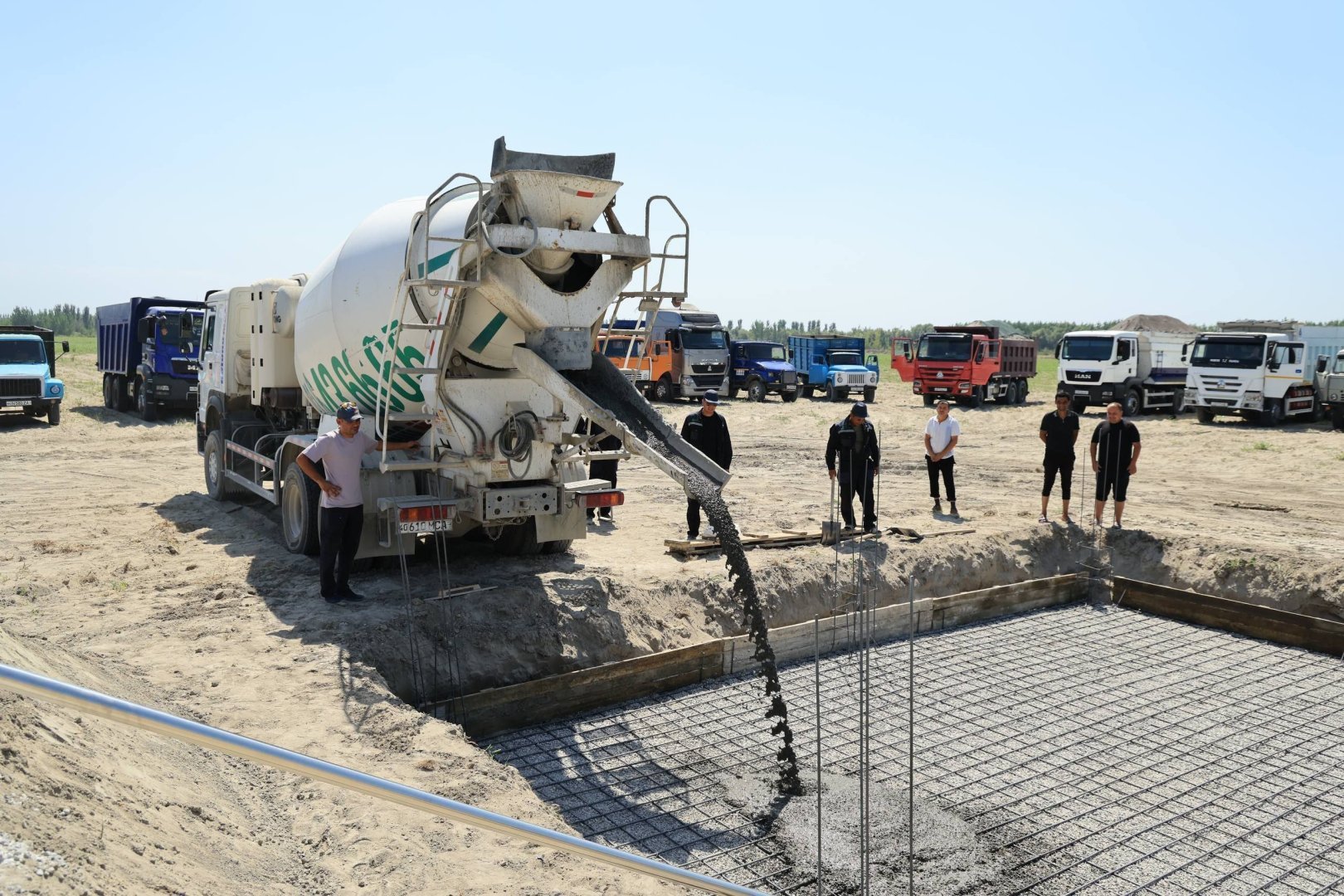
Construction officially began following a ceremony in which participants laid the foundation stone for the future plant.
In Trend's assessment, the project's significance will depend on how quickly Uzbekistan can build local supply chains and reach the planned production capacity. If implemented on schedule, the facility could strengthen Fergana's manufacturing sector, support the development of Uzbekistan's electric transport industry, and create a new platform for exporting electric vehicles to regional markets.