






BAKU,TurkicWorld Abdulhamid Hamid Al-Kba / Writer and researcher specializing in Central Asia and Azerbaijan affairs
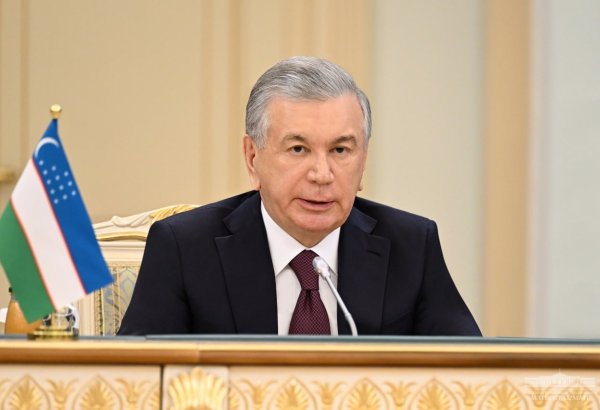
Recent developments in Syrian–Uzbek relations point to a gradual but noticeable transition from conventional diplomatic interaction toward a more structured economic framework in which trade and investment play a central role in reshaping bilateral engagement. In this context, the statement by Uzbek President Shavkat Mirziyoyev on 25 November 2025 in Samarkand gains particular relevance, as it introduced plans to dispatch trade advisors to selected markets, including Syria, signaling a shift toward direct commercial presence rather than indirect export mechanisms.
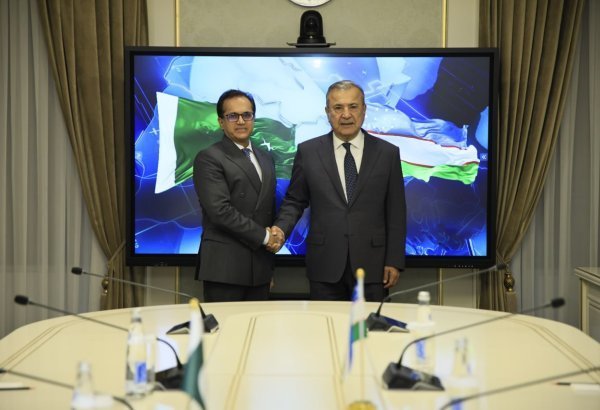
Politically, the meeting between Uzbek Foreign Minister Bakhtiyor Saidov and his Syrian counterpart Asaad al-Shaibani illustrates a subtle but important reconfiguration of diplomatic priorities. The dialogue reflects an increasing alignment between political engagement and economic opportunity, where discussions on stability and reconstruction are increasingly intertwined with prospects for trade expansion and institutional cooperation.
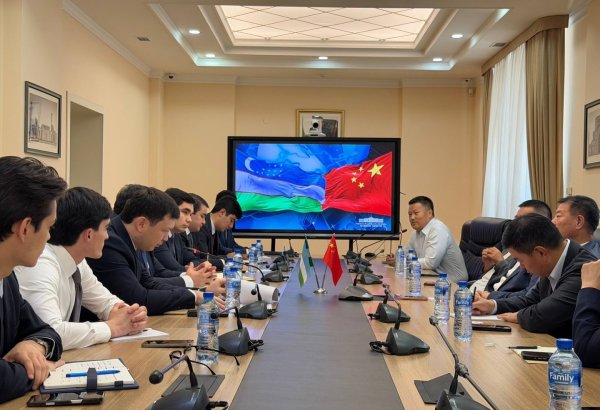
Beyond official diplomacy, the expanding network of visits and economic forums highlights a structural evolution in bilateral engagement. What were once protocol-driven meetings between chambers of commerce are increasingly functioning as working platforms for sector-specific cooperation. Key industries such as electrical engineering, construction materials, textiles, food processing, and leather production are now being addressed as operational files, supported by emerging instruments such as memoranda of understanding that indicate a shift from dialogue to implementation.
Within this evolving landscape, Bukhara provides a concrete example of the regionalization of economic activity shaping the relationship. Rather than serving as a ceremonial venue, the city has functioned as an interface between Syrian industrial regions and Uzbek counterparts. The B2B meetings held there generated a network of agreements between regional chambers of commerce, suggesting a gradual move away from centralized coordination toward more flexible, locally driven economic interaction.
Aleppo’s role is becoming increasingly significant in the Syrian context, particularly as a developing logistical and commercial node. The establishment of a joint trade and distribution center reflects an attempt to restructure trade flows by reducing intermediaries and improving supply chain efficiency. Although still in its early phase, this initiative introduces a more operational dimension to bilateral cooperation.
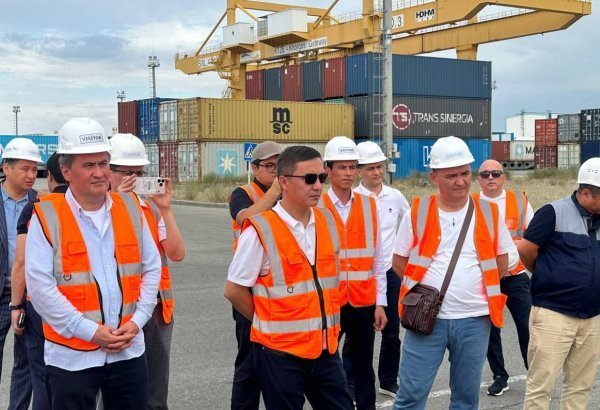
Industrial engagement adds another layer to this evolving relationship. Mutual visits to production facilities in both countries indicate a transition from simple trade exchange to what can be described as a form of reciprocal production assessment. Uzbek delegations exploring Syrian cable and electrical manufacturing facilities, alongside Syrian visits to Uzbek industrial zones, point toward the early stages of industrial complementarity rather than traditional import-export dynamics.
In practical terms, initial Uzbek shipments to Syria—including household appliances, petroleum products, and automotive components—mark an important shift from planning to execution. While volumes remain limited, they signal the beginning of operational trade flows. This development aligns with projections estimating bilateral trade potential between $100 million and $150 million, highlighting significant untapped economic space.
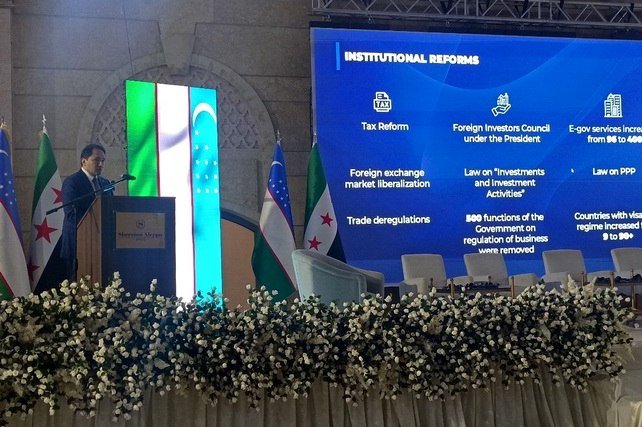
February 2026 added further institutional depth to this trajectory, as a Syrian economic delegation visited Uzbekistan for a series of structured engagements. The program included company-level meetings, industrial site visits, participation in economic forums, and the signing of a memorandum of understanding between national chambers of commerce, reinforcing the gradual institutionalization of cooperation.
From a broader analytical perspective, this rapprochement reflects a wider rebalancing of economic orientations in both countries. Uzbekistan is actively seeking diversification beyond its traditional Central Asian sphere, while Syria is working toward gradual reintegration into regional economic systems. Their convergence is driven by shared requirements for new markets, direct trade channels, and sustainable production partnerships.
Nevertheless, the durability of this trajectory will depend on structural enablers, particularly logistics infrastructure, regulatory coherence, and the institutionalization of cooperation mechanisms beyond episodic diplomatic visits. Without these foundations, progress risks remaining fragmented rather than evolving into a stable framework.
Ultimately, Syrian–Uzbek relations appear to be shaping an emerging model of pragmatic economic engagement rooted in institutional interaction and gradual sectoral integration. Although still in formation, this model reflects a clear movement away from symbolic diplomacy toward a more functionally driven partnership defined by economic necessity and regional recalibration.