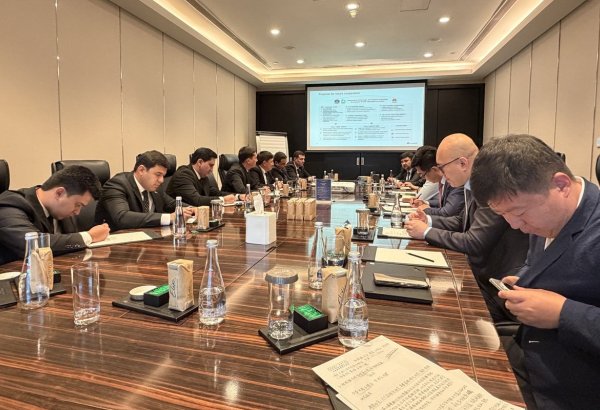




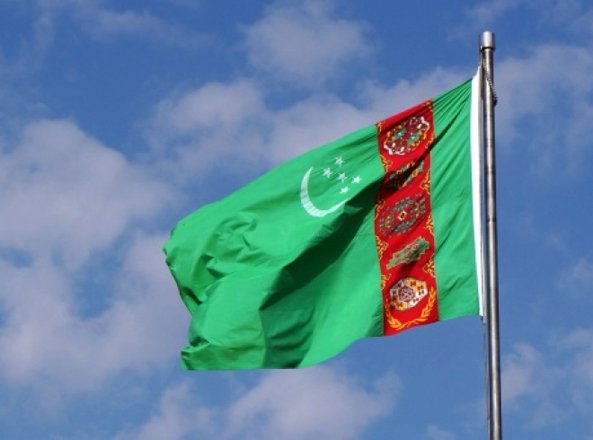
BAKU, Azerbaijan, September 18. Turkmenistan proposed developing an International Code for the Peaceful Use of Artificial Intelligence in international relations and diplomacy under UN auspices at a briefing in Ashgabat today.
This was reflected in a statement published by the press service of the Turkmen government.
According to the information, the proposal was presented by Rovshen Annaberdyev, Head of the Department of International Organizations at Turkmenistan's Foreign Ministry.
Annaberdyev highlighted the potential of artificial intelligence in diplomacy, crisis analysis and early warning systems, while noting risks related to data security, state sovereignty and human oversight.
"Such a document could establish agreed international standards and ethical principles for the use of artificial intelligence in preventive diplomacy, mediation and negotiation processes," the press service reported, citing Annaberdyev.
The initiative was presented as part of Turkmenistan's priorities for the upcoming 81st session of the UN General Assembly, particularly in the areas of international peace, security and multilateral cooperation.
The briefing also highlighted Turkmenistan's proposals on sustainable transport and climate cooperation, including the continuation of work on a Global Atlas of Sustainable Transport Connectivity and the creation of an Ashgabat Climate Dialogue.
Meanwhile, the United Nations in Turkmenistan serves as a development partner, endorsing national priorities aligned with the Sustainable Development Goals through the UN Sustainable Development Cooperation Framework (2021-2025/2026-2030). The Country Team, led by the UN Resident Coordinator, collaborates with the government on health, education, economic, and social reforms. Key focuses include people-centered governance, inclusive economic growth, and quality services. Major UN agencies involved are UNDP, WHO, UNICEF, and UNODC.
Additionally, the UN Regional Centre for Preventive Diplomacy for Central Asia addresses regional security. Key projects encompass legal aid strengthening, violence protection for women and children, trade improvement, water resource management, and pandemic preparedness, supported by significant government financial contributions.