




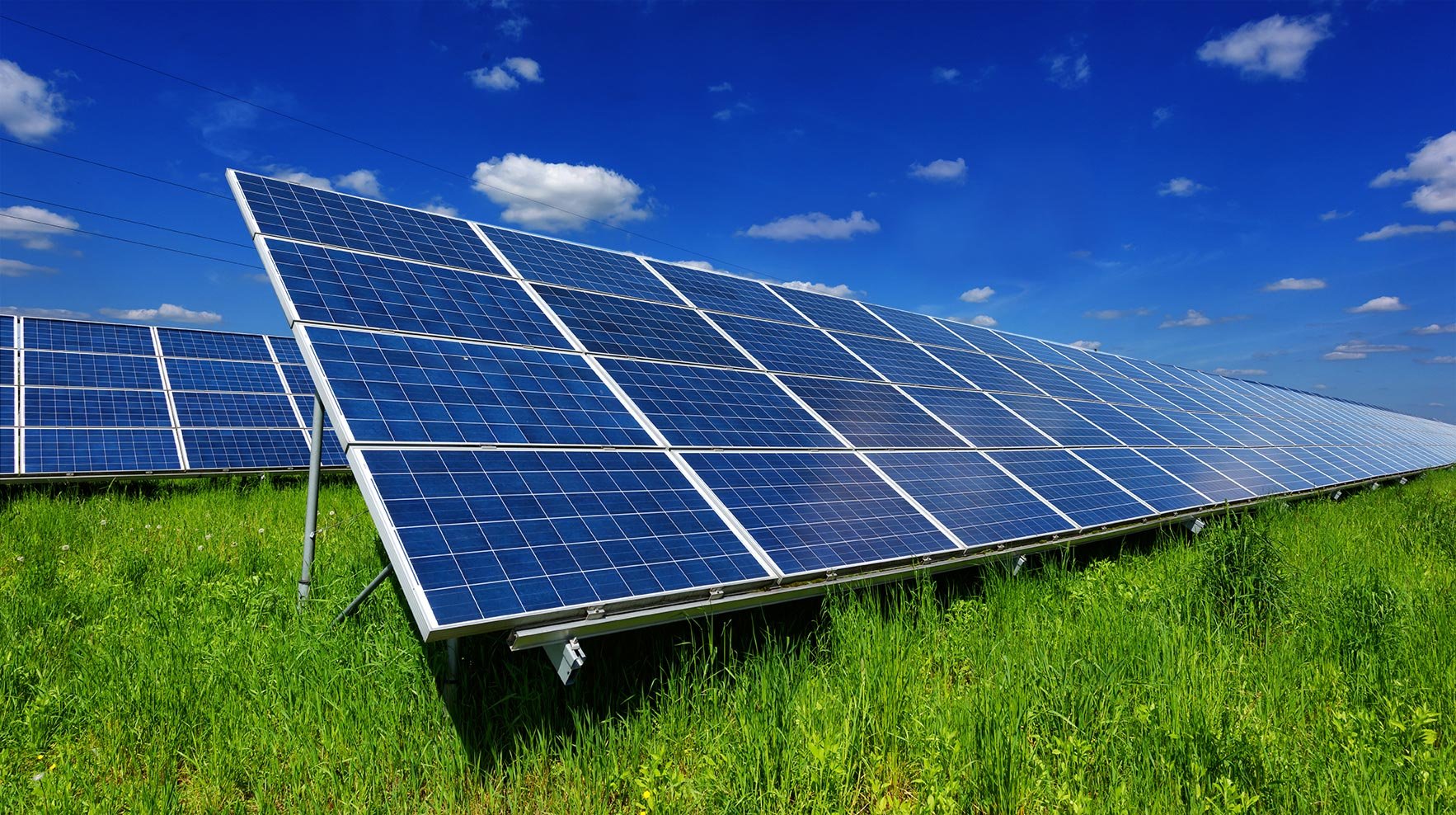
BAKU, Azerbaijan, September 18. For Azerbaijan, 2026 is shaping up to be a pivotal year for the development of renewable energy. The commissioning of new solar and wind facilities, the deployment of energy storage systems, the modernization of grid infrastructure, and expanded cooperation with international investors demonstrate that the growth of renewable energy is gradually moving beyond isolated projects to become part of a broader transformation of the country's energy system.
The next step in this direction was the inauguration of the 100 MW Gobustan solar power plant in Baku’s Garadagh district on September 16. The project holds particular importance for the market, as it marks the first renewable energy project in Azerbaijan realized through an auction process, as well as Universal Energy’s first project in the country.
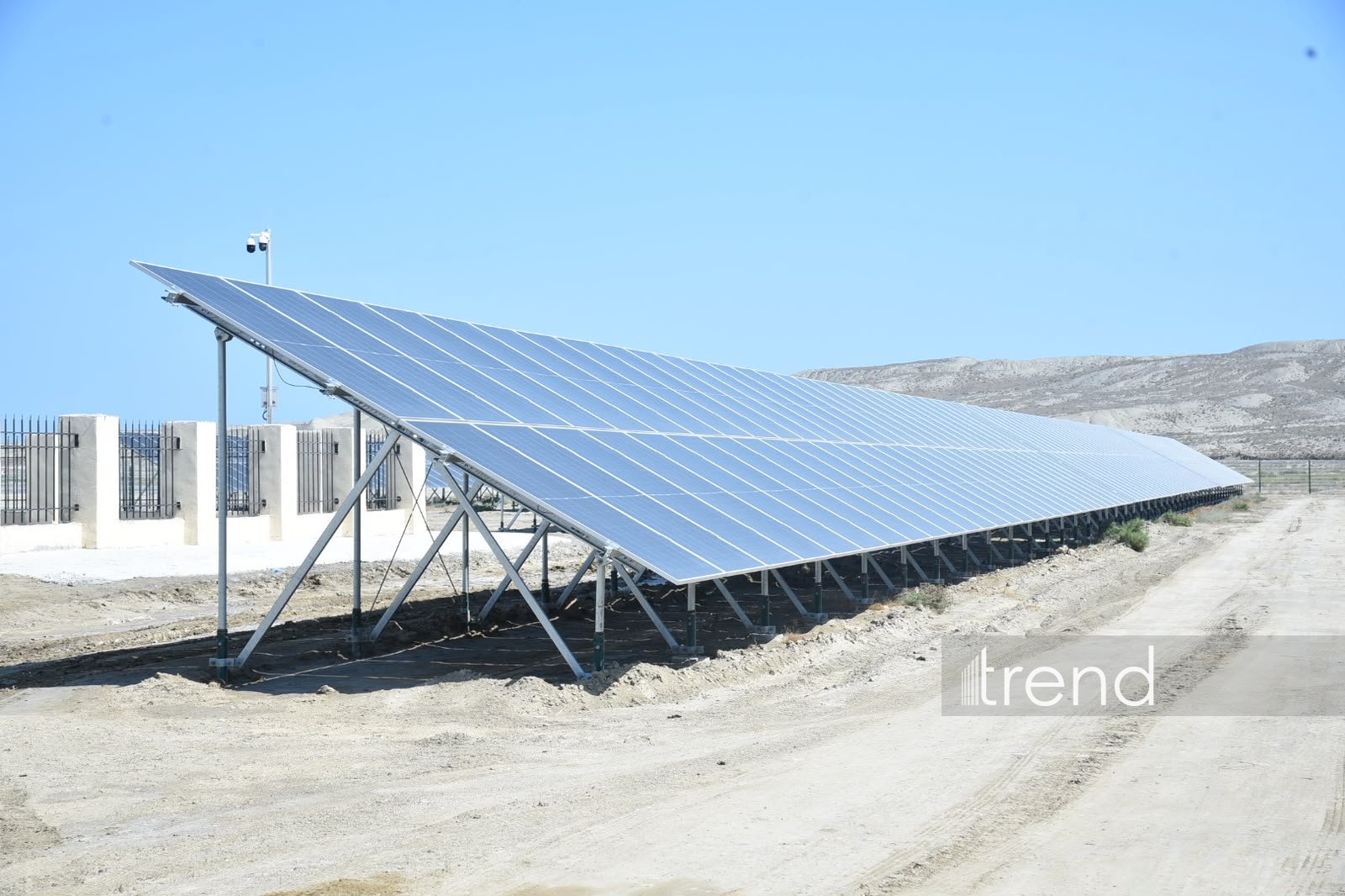
A 300.77-hectare land plot in Pirsaat settlement, Garadagh district, was designated by a 2023 Cabinet of Ministers decision as the site for a renewable energy facility. In 2024, following an auction, the Chinese company Universal International Holdings Limited won the right to implement the project.
Once the plant reaches its design capacity, it is expected to generate approximately 200 million kWh of electricity annually. This will save around 45 million cubic meters of natural gas per year and reduce carbon dioxide emissions by approximately 97,000 tons.
"Gobustan," however, is just one element of a broader program that gained significant momentum throughout 2026.
2026: phase of scaling up
The year began with the commissioning of one of the country's largest wind energy facilities—the 240 MW Khizi-Absheron power plant, built by Saudi Arabia's ACWA Power. Its annual output is projected at approximately 1 billion kWh. Operation of the plant is expected to save about 220 million cubic meters of natural gas annually and prevent the emission of over 400,000 tons of carbon dioxide.
Thus, the development of renewable energy in Azerbaijan is increasingly linked not only to decarbonization but also to the optimization of traditional energy resource use. Electricity generated by solar and wind plants frees up natural gas for other purposes, including potential export.
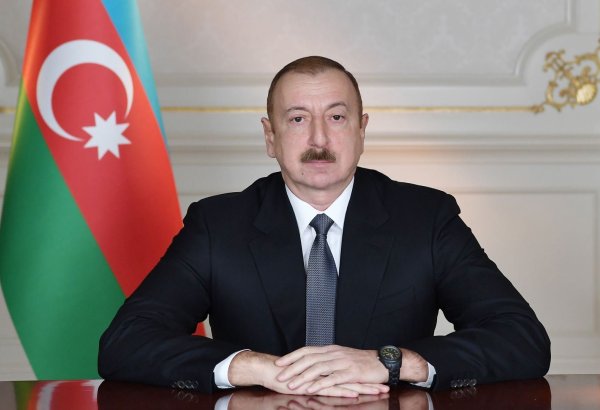
Speaking at the opening ceremony, President Ilham Aliyev stated that the construction of renewable energy plants in Azerbaijan would expand significantly in the coming years.
"Considering that the construction of renewable energy plants in Azerbaijan will be very widespread in the coming years, the performance of Azerbaijani energy professionals must always be at a high level.
Here we also see a very successful example of international cooperation. I should also note that from now on, more and more foreign investors will be engaged in the development of renewable energy. However, Azerbaijani companies have also begun to take interest in this issue, and the construction of several solar power plants has already begun," the head of state said.
This model is already being put into practice through ongoing projects. While state and international institutions played a significant role in the early stages, foreign energy companies and the private sector are now actively engaging with the industry, and the auction mechanism is creating further opportunities to attract investment.
From generation to creation of new energy infrastructure
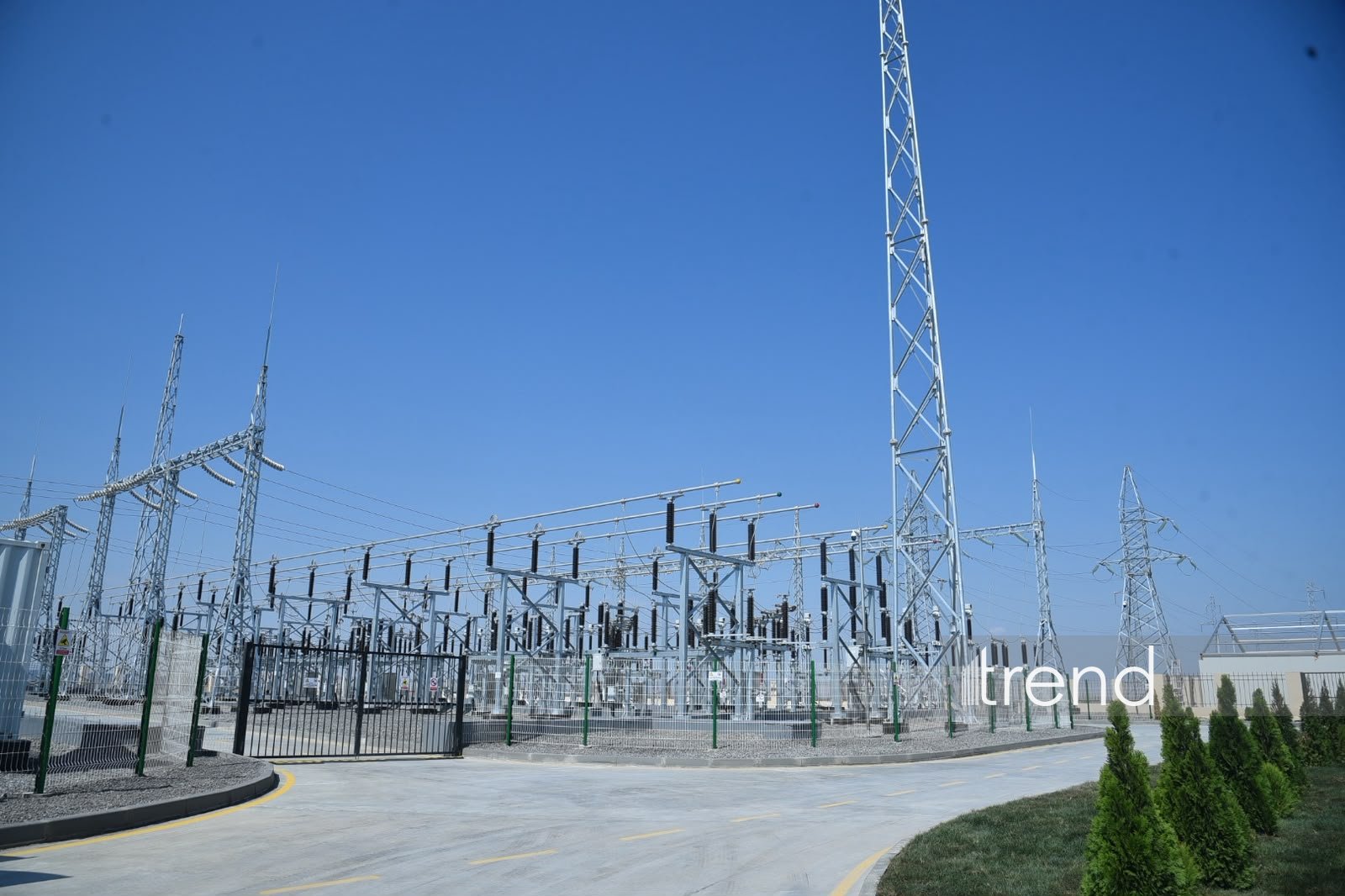
Another key area of focus has been the strengthening of grid infrastructure. In May, a 330-kilovolt substation built by AzerEnergy was inaugurated in the Jabrayil district. In August, the Yeni Sangachal substation (220/110/10 kV) was commissioned.
The latter is directly linked to the decarbonization of industrial infrastructure. Under this project, renewable sources will meet approximately 500 million kWh of the Sangachal Terminal’s annual electricity demand. This will save 120–150 million cubic meters of natural gas annually and reduce carbon emissions by 260,000–330,000 tons.
Thus, the scope extends beyond the mere construction of new power plants; an integrated infrastructure is taking shape that encompasses generation, storage, transmission, and end-use consumption.
Growth centered in regions
A significant portion of new projects is concentrated outside Baku. Renewable energy development is proceeding particularly actively in the territories liberated from occupation.
Three solar power plants with a combined capacity of 340 MW are under construction in the Jabrayil district. Hydroelectric power plants with a total capacity exceeding 300 MW have already been commissioned in Zangilan, Lachin, and Kalbajar. In the coming years, the combined solar and hydroelectric generation potential of these territories is expected to approach 700 MW.
Projects are simultaneously being developed in Nakhchivan. The "Shams 1" and "Garbi Ufug" solar power plants, with a combined capacity of 50 MW, are under construction there.
The 25 MW "Shams 1" project is being implemented on a 52-hectare site. CEI Nakhchivan LLC has already completed the installation of solar panels with a capacity of 10 MW, and construction work is scheduled to conclude in November. Commissioning the plant will also depend on the completion of the necessary grid infrastructure.
Masdar (UAE) remains one of Azerbaijan's key international partners in the renewable energy sector. The scale of this cooperation demonstrates that the focus has shifted from individual facilities to the development of an entire portfolio of projects.
Masdar and SOCAR Green have recently confirmed the financial close for a 315 MW solar power plant project in the Neftchala district. The plant is expected to generate over 686 million kWh of electricity annually, supplying power to approximately 140,000 households, while reducing carbon emissions by around 280,000 tons per year.
In addition to the Neftchala project, Masdar and SOCAR Green are developing a 445 MW solar power plant in Bilasuvar and the 240 MW Absheron-Garadagh onshore wind farm. The combined capacity of these projects exceeds 1.2 GW.
A supplementary agreement between Masdar and the Azerbaijan Green Energy Company (AGEC) outlines plans to explore new opportunities. Specifically, the parties are considering increasing the capacity of Masdar’s Garadagh solar power plant—currently 230 MW—by at least another 350 MW, as well as establishing an energy storage system with a capacity of up to 200 MWh.
The Garadagh solar project itself is a landmark initiative, representing Azerbaijan’s first large-scale solar power project driven by foreign investment. The plant generates approximately 500 million kWh of electricity annually, enough to meet the needs of over 110,000 households.
Masdar and AGEC will also explore the feasibility of a 100 MW project capable of providing round-the-clock power supply. Such projects are particularly significant given the rising share of variable solar and wind generation, as they combine generation assets with technologies that ensure a more stable electricity supply.
From domestic energy balance to exports
The scale of the projects currently underway is gradually shifting the very nature of the objective. While the initial development of renewable energy sources (RES) was largely driven by the need to diversify domestic power generation, conserve gas, and reduce emissions, the next phase involves creating surplus capacity for export.
Azerbaijan’s technical potential for green energy is estimated at 135 GW onshore and 157 GW offshore. Its economic potential stands at approximately 27 GW, comprising 23 GW of solar and 3 GW of wind energy. The potential for bioenergy is estimated at 380 MW, and that of mountain rivers at 520 MW.
Once the Gobustan Solar Power Plant is commissioned, the total capacity of renewable energy facilities in Azerbaijan will reach 2,170 MW. The country will have 85 such facilities, including 65 hydroelectric power plants, six wind farms, ten solar power plants, three hybrid plants, and one bioenergy plant. Renewable energy sources will account for approximately 21.5% of the country's total power generation capacity.
However, the current figures represent interim results. Plans are in place to implement renewable energy projects with a total capacity of approximately 1.5 GW by the end of 2027.
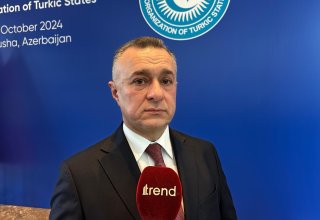
As Director of the State for Azerbaijan Renewable Energy Agency under the Ministry of Energy, Javid Abdullayev, told Trend in an exclusive interview that up to three additional renewable energy plants are scheduled to be commissioned before the end of the year.
"We envision the development of renewable energy sources in Azerbaijan proceeding in three stages. The first stage concludes at the end of 2027, and by its completion, we aim to have commissioned approximately two gigawatts of renewable energy capacity," he said.
According to him, all necessary work for the first stage has already been carried out, relevant contracts have been signed, and investors are actively working across virtually all project phases.
"The Gobustan Solar Power Plant is the third of the 11 plants we have commissioned. We anticipate bringing another three plants online by the end of the year," Abdullayev noted.
However, the second stage goes beyond merely increasing domestic generation. According to Abdullayev, Azerbaijan needs to begin developing capacity specifically geared toward exporting electricity via designated routes.
One of the most significant initiatives is the project to transmit electricity along the Azerbaijan–Georgia–Black Sea–Romania–Hungary route. A preliminary feasibility study for this project has already been prepared and submitted.
"As you know, we currently have four interconnectors on the agenda. A preliminary feasibility study has already been prepared and submitted for one of them—the route spanning Azerbaijan, Georgia, the Black Sea seabed, Romania, and Hungary. It is encouraging that the study demonstrated the route's attractiveness from both technical and economic perspectives.
Steps are currently being taken to activate the necessary financial mechanisms to enhance the project's appeal.
As part of these efforts, work is nearing completion to include this project in the ten-year development plan for the European energy system. Subsequently, work will proceed to secure one of two designations for the project: 'Project of Mutual Interest' or 'Project of Common Interest,'" noted Abdullayev.
To implement this cross-border infrastructure, a joint venture has been established involving the transmission system operators from the respective countries.
"This entity coordinates all necessary activities on behalf of each country's grid operators. This will enable us to secure funding from specific financial institutions for such projects on concessional terms—or, in some instances, even in the form of grants," the agency director said.
Third stage: green energy as new export resource
In the long term, the development of renewable energy sources is viewed as more than just a means to alter the domestic generation mix. It represents the shaping of a new direction in energy policy, wherein electricity generated from renewable sources could become an additional export resource for Azerbaijan.
According to Abdullayev, this third stage will require new technological solutions and will entail a broader utilization of the country's energy potential.
"Azerbaijan is rich in oil, gas, and green energy. We have always ensured Europe's energy security. Now, we aim to continue this process through electricity and green energy as well. In the third stage, realizing Azerbaijan's existing potential will foster the development of hydrogen, the utilization of other resources, and the adoption of additional technologies," he said.
Thus, the development of renewable energy in Azerbaijan is gradually shaping several interconnected areas. The first involves replacing a portion of traditional power generation and freeing up natural gas. The second entails creating new infrastructure. The third focuses on attracting foreign investment and establishing major energy clusters. The fourth involves preparing infrastructure for the export of electricity and, in the future, other forms of green energy.
In this context, the opening of the Gobustan Solar Power Plant represents not merely an isolated event, but the next stage in scaling up the sector. The auction model, the participation of international investors, the development of storage systems, and the preparation of cross-border interconnectors signal Azerbaijan's transition to the next phase of its energy transformation: moving from the construction of individual renewable energy facilities to the creation of a comprehensive green energy ecosystem.