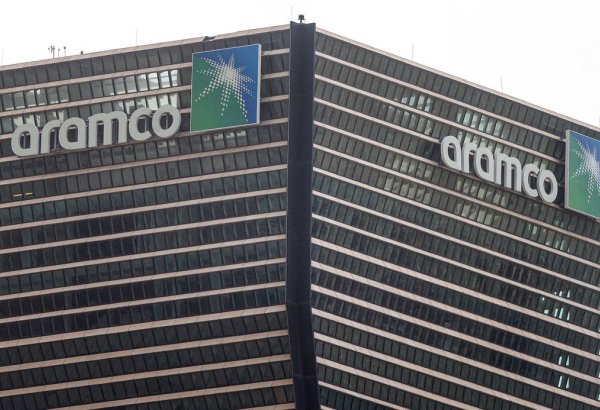







BAKU, Azerbaijan, January 11. Saudi Arabia enters a new phase described as one of the most sensitive and influential in the course of its economic transformation, according to the International Monetary Fund (IMF), which said next year will be pivotal for the Kingdom thanks to deeper reforms implemented throughout the past years, TurkicWorld reports via Asharq Al-Awsat.
In a “country focus” released last month, Amine Mati and Yuan “Monica” Gao Rollinson, both in the IMF’s Middle East and Central Asia Department, showed that growth in Saudi Arabia has been fueled not only by investment, but also by people as private sector job creation has surged, particularly among women while unemployment rates reached record-lows.
The two economists said the resilience shown in 2025 underscores the progress already achieved in reducing the economy’s exposure to oil fluctuations.
They said that despite oil prices falling nearly 30% below their 2022 peak, the non-oil economy maintained strong momentum.
“This strength reflects the impact of Saudi Vision 2030 reforms—diversification gaps with emerging markets have narrowed, and the business environment now rivals that of advanced economies,” the two IMF experts said.
At the same time, Saudi Arabia is strategically shifting some of its spending priorities, with some of its investment focus moving toward AI and advanced technologies as part of its broader effort to diversify the economy.
The IMF paper said deeper reforms—including the steadfast implementation of recently enacted laws that ease access for foreign investors— will help foster an investor-friendly business environment and attract more private investment.
At the banking sector, it noted that the Saudi Central Bank’s continued vigilance in monitoring emerging risks will be critical in preventing vulnerabilities from building up.
“As conditions evolve, the central bank should continue to proactively deploy prudential measures to keep the financial system resilient,” it said.
Over time, deepening capital markets—so that companies can raise more financing through bonds and equity—will help ease pressure on banks, facilitate credit for small and medium enterprises, and create a more balanced mix of funding for the economy.
Looking ahead, Saudi Arabia faces a new test: how to sustain reform momentum in an era of potentially lower oil revenues without slipping back into the stop-and-go cycles that followed past oil booms, the two IMF economists said.
They said fortunately, Saudi Arabia approaches this challenge from a position of relative strength thanks to public debt-to-GDP ratios that remain low while foreign assets are still ample.
At the same time, the IMF noted that the sustainability of such progress relies on Saudi Arabia’s ability to anchor spending decisions within a consistent, multi-year framework will be vital for maintaining long-term sustainability.
The Fund showed that sustaining Saudi Arabia’s growth momentum will increasingly depend on two engines: a skilled workforce and a vibrant private sector.
Deeper reforms—including the steadfast implementation of recently enacted laws that ease access for foreign investors— will help foster an investor-friendly business environment and attract more private investment.
“The sovereign wealth fund can act as a complementary catalyst here by spurring new projects and partnerships, while making sure it leaves ample room for both domestic and international private investors to thrive,” the IMF paper noted.
Last October, the IMF had raised Saudi Arabia's economic growth forecast to 4% for 2026, supported by the expansion of non-oil activities and higher oil prices.
Meanwhile, the Saudi Finance Ministry forecasted real GDP growth of 4.6% in 2026, driven by non-oil activities and private-sector leadership.