
BAKU,TurkicWorld: Abdulhamid Hamid Al-Kba / Writer and researcher specializing in Central Asia and Azerbaijan affairs
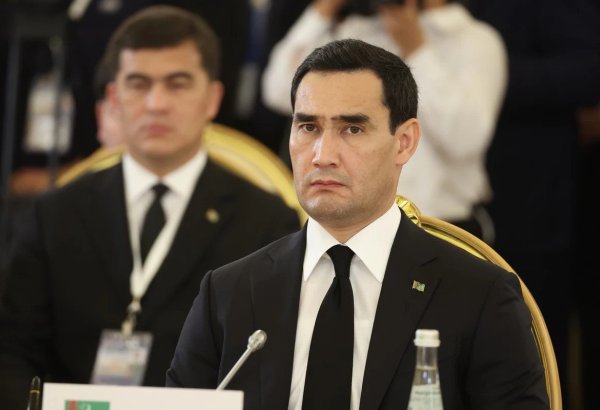
On February 13, 2026, President Serdar Berdimuhamedov signed the Decree approving the “Social and Economic Development Program of Turkmenistan and Investments for 2026” during a Cabinet of Ministers meeting that reviewed the outstanding economic performance in 2025. This ambitious program reflects Turkmenistan’s steadfast commitment to sustainable development and constructive international cooperation. It forms part of the comprehensive National Development Strategy up to 2028 (extended to 2052), embodying a forward-looking leadership vision to maintain economic and social stability, promote diversification, and ensure sustainability amid the country’s substantial energy potential.Key announced targets include: maintaining GDP growth at 6.3%, creating approximately 5,300 new jobs through the establishment of production enterprises, increasing the private sector’s share in GDP to 72.9%, and allocating massive investments totaling 41.2 billion manats (approximately $11.4 billion USD) from diverse funding sources. The program also emphasizes boosting manufacturing, expanding non-oil revenues, developing digital banking services, supporting preferential housing loans, and preserving national currency stability — steps that strongly reflect a commitment to social welfare and sustainable growth.Positive and Ambitious Aspects of the Program
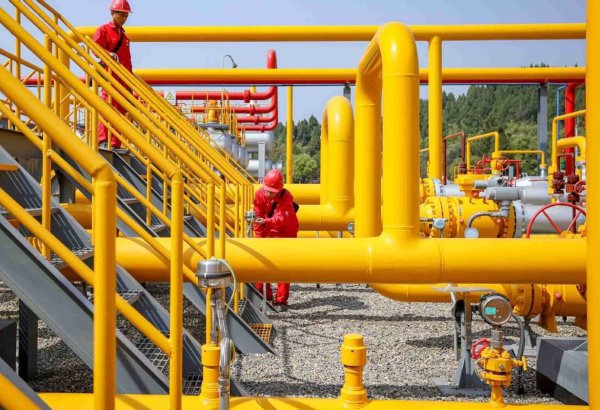
The program demonstrates excellent continuity in Turkmenistan’s distinctive “socially-oriented” policy approach, focusing on constructing housing, schools, and hospitals, and improving services in rural and urban areas, thereby enhancing citizens’ quality of life. The targeted 6.3% growth fully aligns with preliminary 2026 results (6.3% growth recorded in January 2026 per official reports) and with projections from reputable international institutions such as the European Bank for Reconstruction and Development (EBRD), which forecasts 6.3% for 2026 driven by energy and infrastructure investments, and the Asian Development Bank (ADB) with a close projection of 6.0%.Expanding the private sector share to around 73% represents a significant step toward economic diversification, with emphasis on processing industries, agriculture, and transport. The substantial investments (68.5% for the production sector and 31.5% for social projects) support the development of modern infrastructure and enhanced production capacities, with notable attention to the green economy and digitalization.In the environmental domain, the program highlights encouraging progress toward a green economy through successful international partnerships, such as the European Union project “EU for a Green Turkmenistan” to promote renewable energy and reduce emissions. Turkmenistan joined the Global Methane Pledge in 2023 and launched the Methane Emissions Monitoring System (MARS) in cooperation with the United Nations, achieving an 11% reduction in methane emissions by the end of 2024, with an ambitious plan to reduce them by 30% by 2030. Additionally, the first renewable energy project of 10 MW (solar and wind) was completed in the Balkan region, with plans to build a 100 MW solar power plant between 2026–2028 and to develop green hydrogen — efforts fully consistent with the Renewable Energy Strategy until 2030 and Sustainable Development Goals.Challenges as Opportunities for Development
Despite its strong ambition, the program faces some well-known structural challenges, such as relative dependence on global energy prices and exports, making the diversification of revenues a golden opportunity to strengthen sustainability. In this context, efforts to gradually improve the business environment are advancing through legislative amendments to simplify foreign company registration, tax and customs incentives, mechanisms for dialogue with investors, and awareness programs on combating corruption. These steps provide a solid foundation to build upon, particularly with the gradual improvement in economic transparency via publication of key indicators, enhanced cooperation with the United Nations, EBRD, and ADB to improve statistics quality and digitalization. With the entry into force of the United Nations Sustainable Development Cooperation Framework (UNSDCF 2026–2030), these efforts are expected to accelerate toward greater openness and efficiency.The focus on monetary stability and preferential loans supports social stability and will be further strengthened as non-oil revenues rise through new projects.Conclusion
The 2026 Program is an encouraging and ambitious model for balanced development in Turkmenistan, combining the preservation of social stability with progress toward a sustainable green economy. The tangible achievements in environmental and social spheres, supported by international partnerships, reflect a clear future-oriented vision. With the continuation of outstanding efforts and increasing international support, the program’s goals are expected to be successfully achieved, strengthening Turkmenistan’s regional and global standing as a country committed to comprehensive and sustainable development.