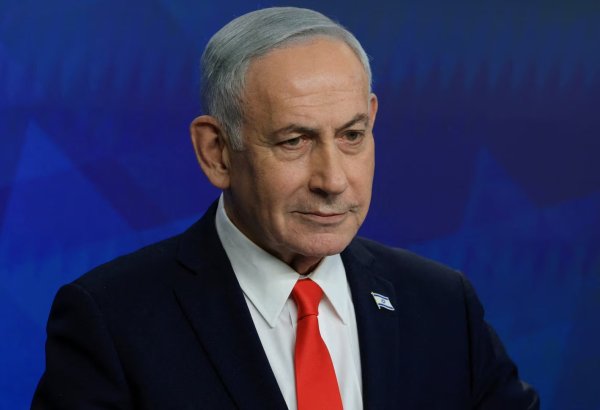


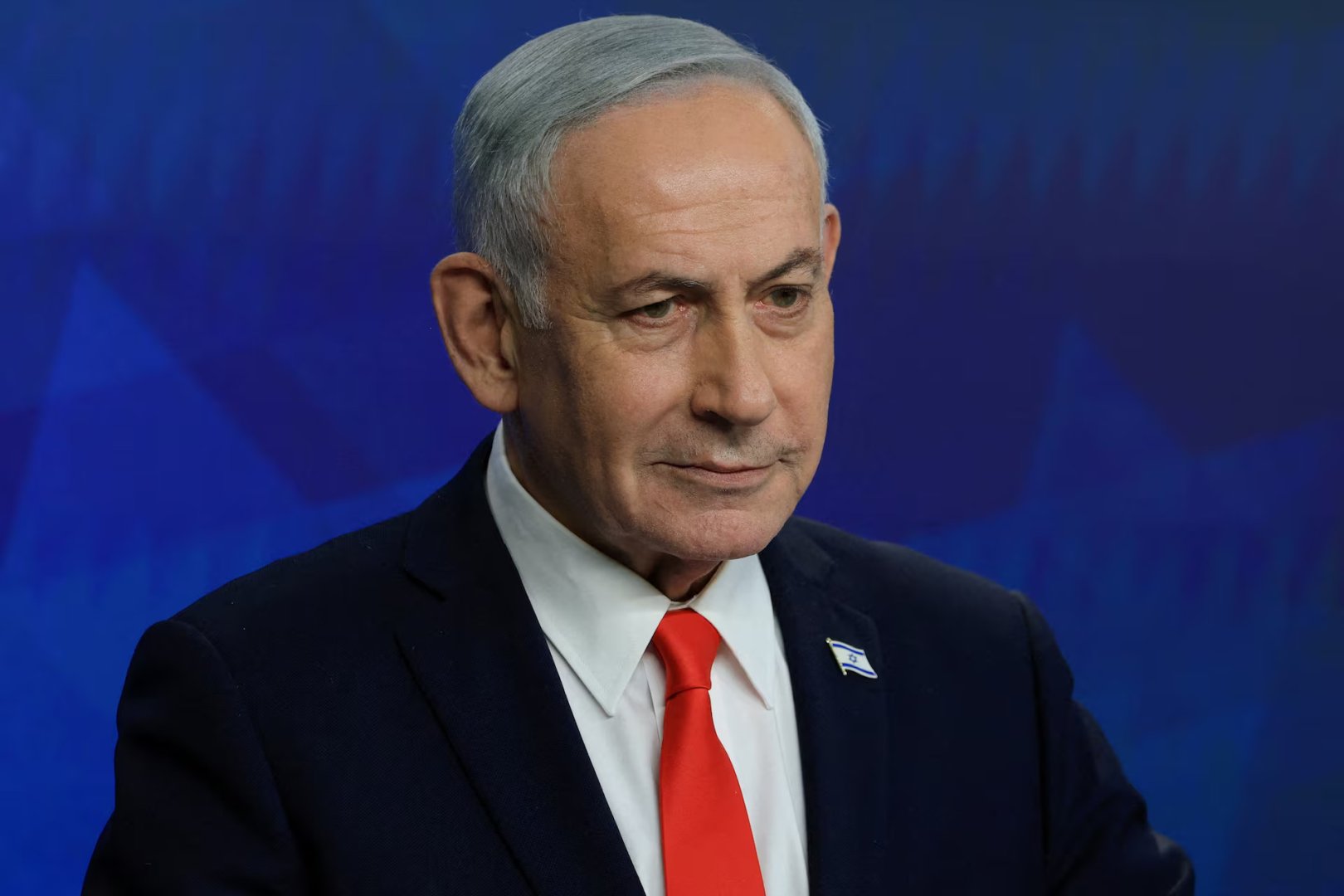
BAKU, Azerbaijan, September 24. Israeli Prime Minister Benjamin Netanyahu is heading to the United Nations General Assembly at a politically sensitive moment, with Israel facing intense international criticism and a national election scheduled for October 27. Netanyahu has confirmed that he is seeking another term.
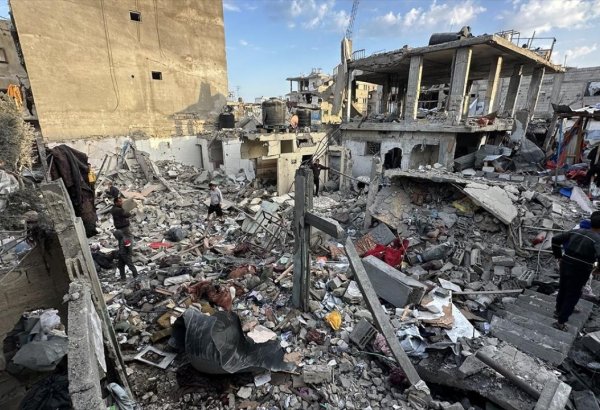
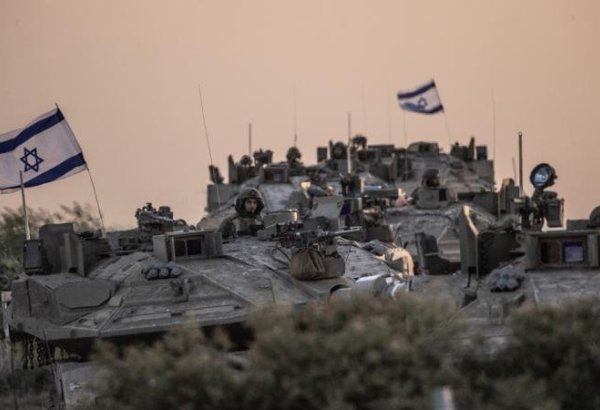
Netanyahu’s appearance at the UN comes amid continuing international scrutiny of Israel’s military operations in Gaza and the occupied West Bank. Israel has faced allegations of genocide and war crimes, which it rejects; Netanyahu has said he intends to use his UN address to defend Israel’s actions and military.
The speech also carries significant domestic political importance. Recent polling has shown Netanyahu’s Likud and its allied bloc struggling to secure the 61 Knesset seats required for a governing majority, although individual surveys vary.
Netanyahu, Israel’s longest-serving prime minister, has frequently presented his experience in international diplomacy and relations with world leaders as a central part of his political record. His UN appearance is expected to receive extensive coverage in Israel as campaigning intensifies ahead of the October vote.
Israeli parties have already submitted their candidate lists for the election, with Likud placing Netanyahu at the top of its slate. The election is taking place amid debates over the wars in the region, the conduct of the government and Israel’s domestic political institutions.
Netanyahu’s address will therefore unfold on two closely connected stages: the international debate over Israel’s policies and the domestic election campaign that will determine the composition of the next Knesset and government.