


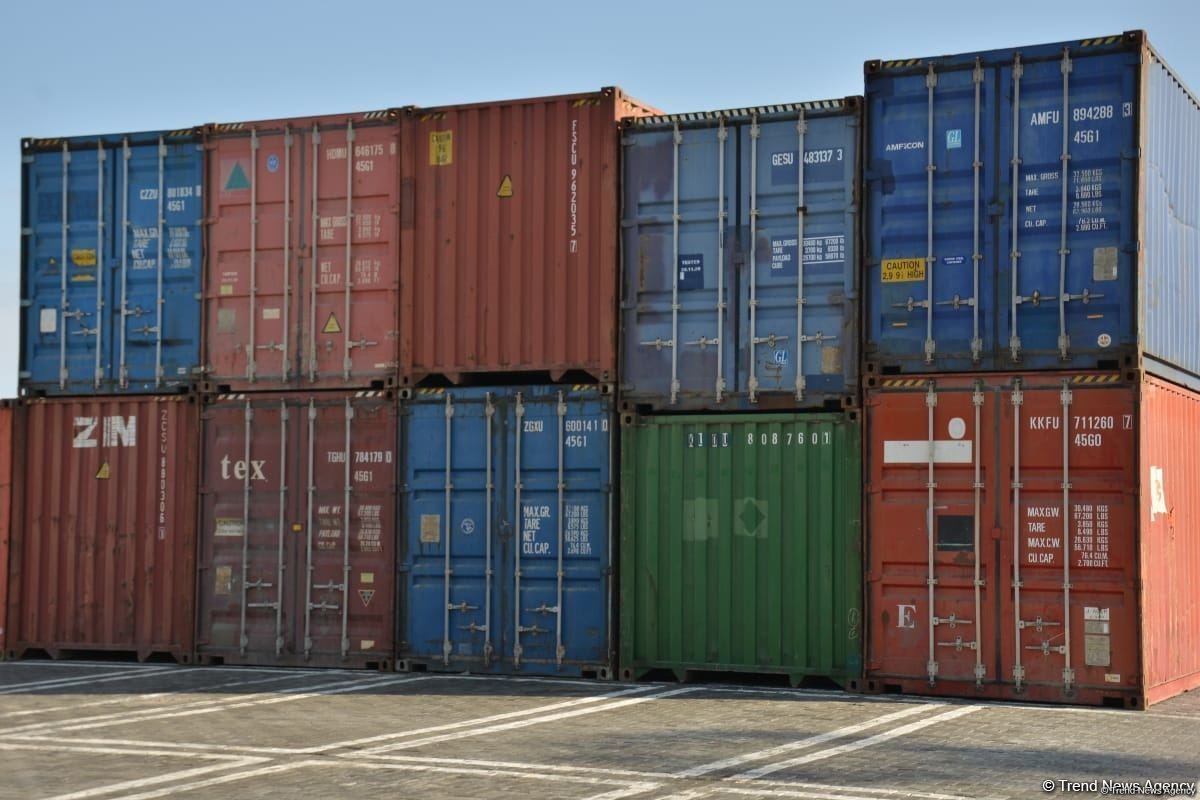
BAKU, Azerbaijan, August 4. Georgia's seaports handled 9.7 million tonnes of cargo in the first half of 2026, marking the highest first-half result in a decade, while Georgian Railways also recorded its strongest H1 performance in 10 years.
According to the data of the country's Ministry of Economy, cargo throughput at the country's seaports increased by 22% year-on-year in H1 2026. Container handling reached 409,397 TEU, up 9% compared with the same period of 2025 and also a decade-high figure. Georgian Railways transported 6.9 million tonnes of cargo during the period, representing a 10% annual increase. In June alone, railway container transportation reached 12,049 TEU, the highest monthly result recorded over the past ten years.
Growth was registered across all major cargo categories and transport directions, including import, export, transit and domestic rail shipments. New cargo flows also emerged during the period, including steel and various types of pipes, gold concentrates, copper concentrates and new categories of liquid cargo.
Trend's analysis shows that the simultaneous record performance of both maritime and rail transport indicates that Georgia's logistics sector is experiencing broad-based growth rather than a temporary shift in cargo flows. The increase across ports, railway transportation and different cargo categories points to stronger integration of Georgia into regional supply chains and growing demand for transit capacity.
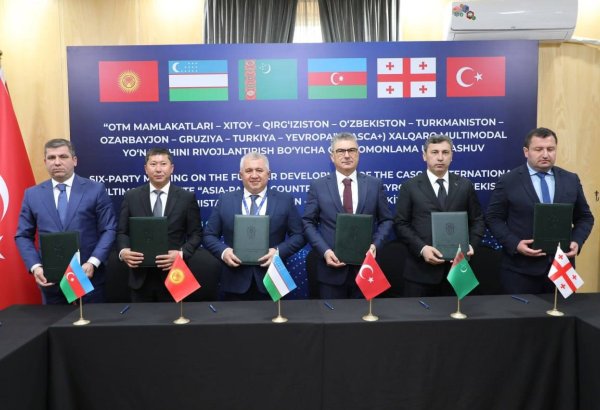
One of the key factors behind this trend is the continued development of the Trans-Caspian International Transport Route (TITR, or Middle Corridor), which connects Central Asia and China with European markets through the Caspian Sea, Azerbaijan, Georgia and Türkiye. The route has gained importance as countries seek to diversify transport links and strengthen supply chain resilience.
The Organisation for Economic Co-operation and Development (OECD) told Trend that the development of the Middle Corridor provides an opportunity to strengthen trade links between Europe and Asia through improved infrastructure, more efficient border procedures and deeper regional cooperation.
"The development of the Trans-Caspian International Transport Route, or Middle Corridor, offers a major opportunity to strengthen trade links between Europe and Asia. By improving infrastructure, streamlining border procedures and deepening regional cooperation, countries along the route can help create more efficient, resilient and sustainable trade routes," the OECD said.
The International Transport Forum (ITF) also noted that the Middle Corridor is expected to retain strategic importance as a diversified Asia-Europe transport route, while emphasizing that its long-term competitiveness will depend on addressing operational bottlenecks. "The Middle Corridor would nevertheless retain strategic value as a diversified Asia–Europe route that avoids both Russia and Iran. It will continue to benefit from strong political and investment support for Eurasian connectivity," ITF told TurkicWorld.
For Georgia, the growing role of the Middle Corridor creates additional opportunities to strengthen its position as a transit hub linking the Caspian region with Black Sea ports and European markets. The country's ports, rail network and logistics infrastructure represent a critical segment of the route, where improvements in handling capacity and operational efficiency directly affect the overall competitiveness of the corridor.
The emergence of new cargo categories also contributed to the H1 results. Gold and copper concentrates are particularly significant, as Georgia's mining sector has expanded production capacity and increased export activity. Unlike temporary transit flows, these commodities represent additional cargo volumes generated by domestic economic activity. The increase in containerized rail transportation is another important indicator for the Middle Corridor. The June record of 12,049 TEU reflects growing use of intermodal solutions connecting maritime arrivals at Georgian ports with onward rail transportation toward Türkiye and European destinations.
In Trend's assessment, the latest figures suggest that Georgia's transport infrastructure is moving from a traditional transit role toward a more integrated logistics model, where ports, railways and regional corridors operate as interconnected components of Eurasian trade networks. Maintaining this momentum will depend on continued investment in infrastructure, digitalization and coordination among countries along the route.