BAKU, Azerbaijan, December 4. Bahrain’s King Hamad bin Isa Al Khalifa reaffirmed the Gulf Cooperation Council’s determination to strengthen its partnership with Italy, underscoring the importance of advancing economic, social, and cultural ties, TurkicWorld reports via Asharq Al-Awsat.
Speaking at a Gulf–Italian business session in Manama, the king praised Italy’s significant progress in recent years and its prominent role in supporting international peace, security, and the protection of global maritime routes.
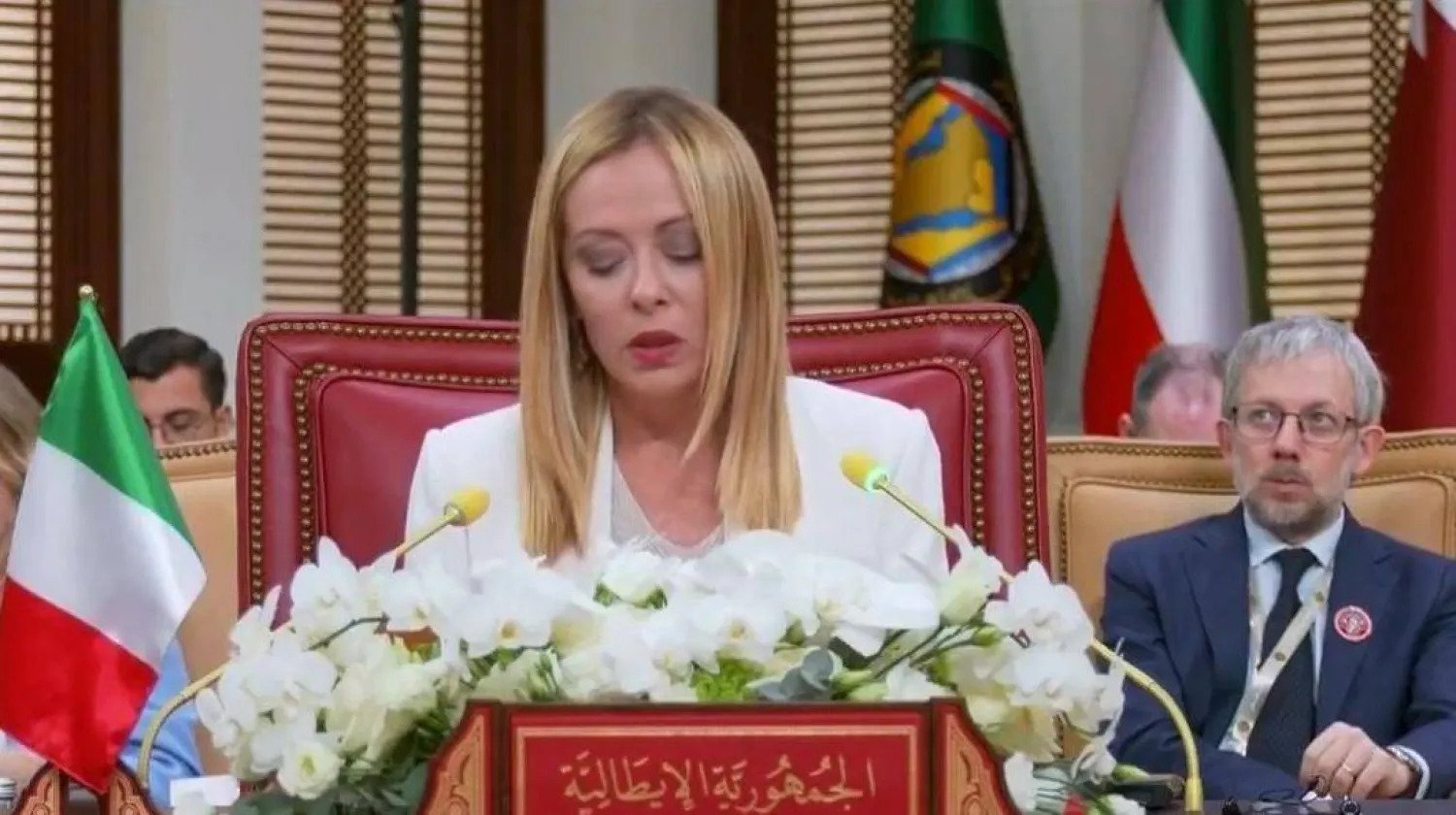
Italian Prime Minister Giorgia Meloni, for her part, described her country as “a nation with an ancient heart and a forward-looking vision.” She invoked what she called the “Arab frontier” between the Roman Empire and the Arabian Peninsula - “not a rigid barrier,” she said, but a corridor of contact and commerce, animated for centuries by the Spice Routes that connected ancient Rome with India through the Mediterranean.
Meloni announced Italy’s readiness to host a Gulf–Mediterranean summit aimed at launching a new, ambitious framework for dialogue between the two regions. She noted that the shared geopolitical space between the Gulf and the Mediterranean is “set to grow in importance,” making more structured engagement essential. Effective cooperation, she said, depends on harnessing the complementary strengths and strategic positioning of both sides.
Meloni stressed that Italy’s approach goes beyond exporting finished goods. The country also offers financing tools, industrial know-how, and advanced technological expertise.
She outlined Italy’s proposal to establish a joint operational platform focused on priority challenges where both sides can have meaningful impact. At the top of that list is strengthening economic connectivity, now a crucial factor in a rapidly innovating global economy.
Meloni highlighted the India–Middle East–Europe Economic Corridor (IMEC), which links major ports from India to the Middle East and Europe, with integration opportunities for the United States, as a project that could unlock “tremendous potential for our economies and companies.”
Turning to regional security, Meloni reiterated that lasting stability in the Middle East requires a two-state solution: Israel’s recognition of the Palestinians’ right to statehood, coupled with a final recognition of Israel’s right to exist and live in security.
On Iran, Meloni noted Tehran’s repeated assertions that it does not seek nuclear weapons. She said: “If this is true - and I want to believe it - then a strict, credible agreement with full participation from the International Atomic Energy Agency is essential to assure the world of the peaceful nature of Iran’s program.”
GCC Secretary-General Jasem Mohamed Albudaiwi affirmed the depth of Gulf–Italian ties, describing them as long-standing, trust-based, and anchored in shared interests. He noted clear progress in recent years across multiple fields, including security, stability, and counterterrorism, all aimed at supporting collective security and advancing peaceful conflict resolution.