BAKU, Azerbaijan, May 7.
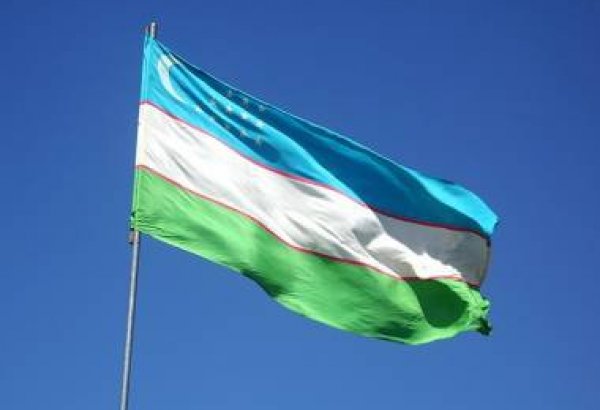
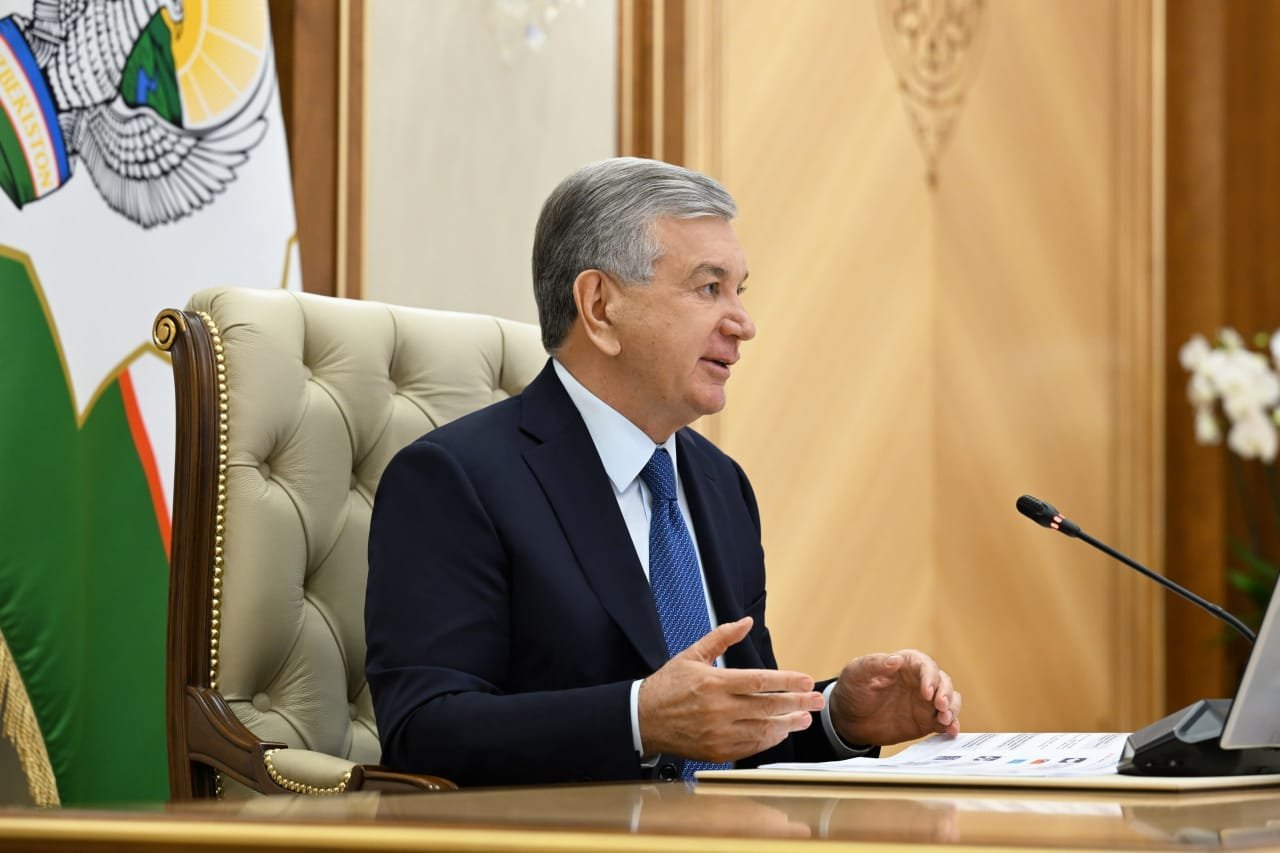
President Shavkat Mirziyoyev reviewed a detailed report during a meeting held today in the capital, Tashkent, on the progress achieved in Uzbekistan’s accession process to the World Trade Organization, signaling a more focused phase as the country approaches its targeted completion date in 2026,TurkicWorld reports.
According to the presidential press service, the President emphasized the importance of carrying out the accession process comprehensively and with high quality, pointing to the need to accelerate the completion of this strategic path.
As presented during the meeting, Uzbekistan achieved tangible progress throughout 2025. Two meetings of the WTO Working Party on Uzbekistan’s accession were held, during which responses were submitted to more than 200 questions raised by member states, alongside over 30 documents related to foreign trade policies. In parallel, more than 40 rounds of bilateral negotiations took place, with negotiations finalized with 11 countries, bringing the total number of completed bilateral agreements to 33 countries.
At the same time, Uzbekistan continued aligning its legislative environment with WTO requirements. A total of 68 regulations were amended within a single year to comply with international standards. The reforms included simplifying intellectual property registration procedures, removing export restrictions, introducing more transparent export fee mechanisms, and reducing technical barriers to trade.
The government also replaced bureaucratic procedures with a more flexible certification-based system, abolished 14 technical regulations related to food products, and removed mandatory certification requirements for 747 products, reducing the list by 27%. In the food safety sector, oversight responsibilities were transferred to specialized authorities, alongside the adoption of new laws strengthening sanitary and phytosanitary standards.
Within a supportive economic context, Uzbekistan has recorded increasing inflows of foreign direct investment, attracting billions of dollars annually in recent years, reflecting an improved business climate and growing confidence among international investors.
This progress reflects Uzbekistan’s transition from the negotiation phase toward the stage of closing remaining accession files, with increasing focus on deeper issues related to aligning economic policies with international standards.
On the regional level, Tashkent is moving at a relatively faster pace compared to some other Central Asian states in repositioning itself within global supply chains, benefiting from its geographic location and accelerated reforms, giving its accession process an additional competitive dimension.
As 2026 approaches, the goal of completing accession appears technically closer to realization. Its success, however, will depend on the government’s ability to finalize the remaining files without slowing the momentum of reforms, while maintaining a delicate balance between economic liberalization and domestic stability.
This progress also signals a broader transformation in Uzbekistan’s economic direction. Accession to the WTO is no longer viewed merely as an objective in itself, but as part of a wider strategy aimed at integrating into the global economy and strengthening the country’s position as a regional hub for trade and investment.