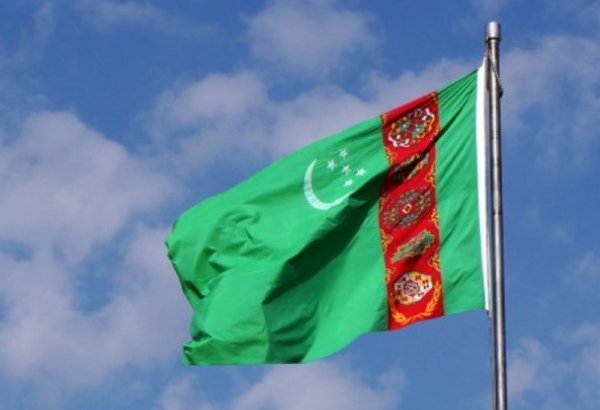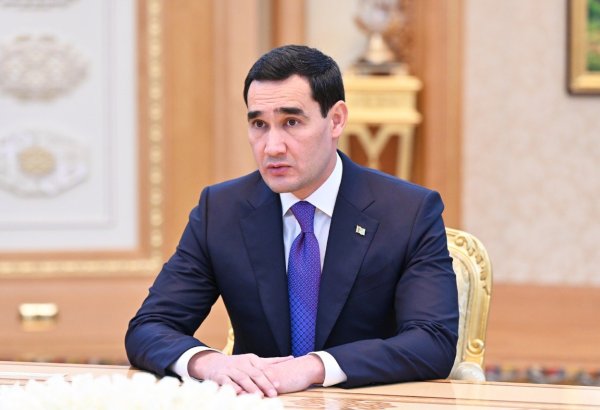


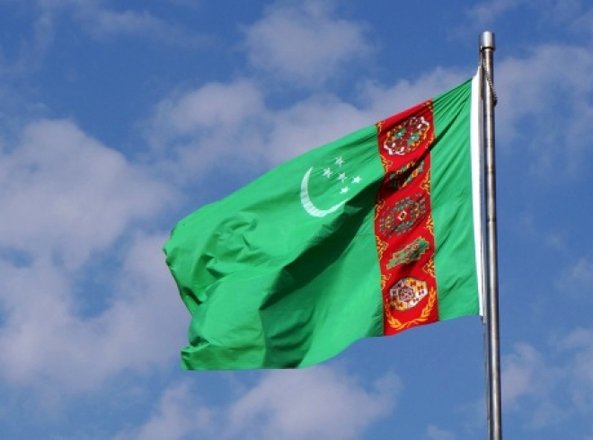
BAKU, Azerbaijan, November 26. Turkmenistan's parliament has unanimously approved the draft state budget for 2027, outlining priorities for economic diversification, infrastructure modernization and social spending, the press service of the country’s government reported.
The decision was made at the 13th session of the Mejlis (Parliament) of the seventh convocation, which also approved a resolution on the execution of the 2025 state budget.
According to the report, the 2027 budget is designed to support economic growth, regional development and the implementation of major investment projects across various sectors.
Its priorities include diversifying and industrializing the economy, modernizing infrastructure in industry, agriculture and transport, and strengthening the banking sector.
The document also envisages further digitalization of the economy, the introduction of advanced technologies across industries and the establishment of innovative enterprises.
Support for the private sector is another priority, particularly in expanding the production of import-substituting and export-oriented goods.
A significant portion of budget expenditure will be allocated to social sectors, including education, science, healthcare, culture, sports, youth programmes and social security. Funding will also cover housing construction and social infrastructure projects.
The session also reviewed local budget indicators for 2027.
For reference, Turkmenistan's State Budget for 2026 was approved with revenues and expenditures of 131.845 billion manats ($37.7 billion), according to Mejlis. The centralized budget was set at 119.703 billion manats ($34.2 billion), while local budgets amounted to 15.521 billion manats ($4.4 billion). Salaries, pensions, state benefits and scholarships were designated as protected expenditure items.
Capital investment in Turkmenistan's economy is expected to exceed 41.2 billion manats ($11.8 billion) in 2026. Of the planned investment, 68.5% was allocated to industrial facilities and 31.5% to social infrastructure, including education, healthcare and culture. The country's socio-economic development priorities for 2026 also include diversifying industries, expanding exports, promoting import substitution, accelerating digitalization, developing the green economy and strengthening food security.