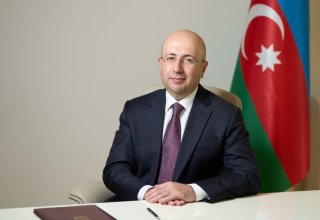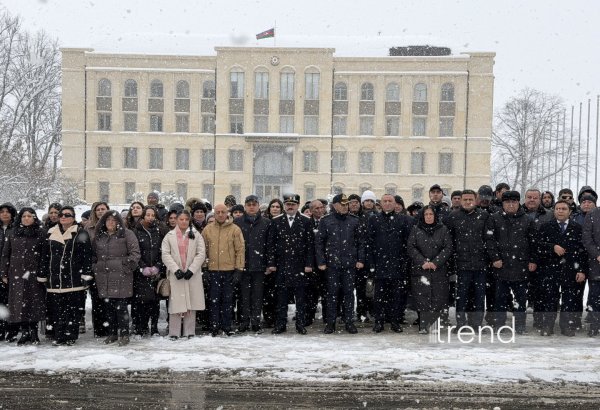


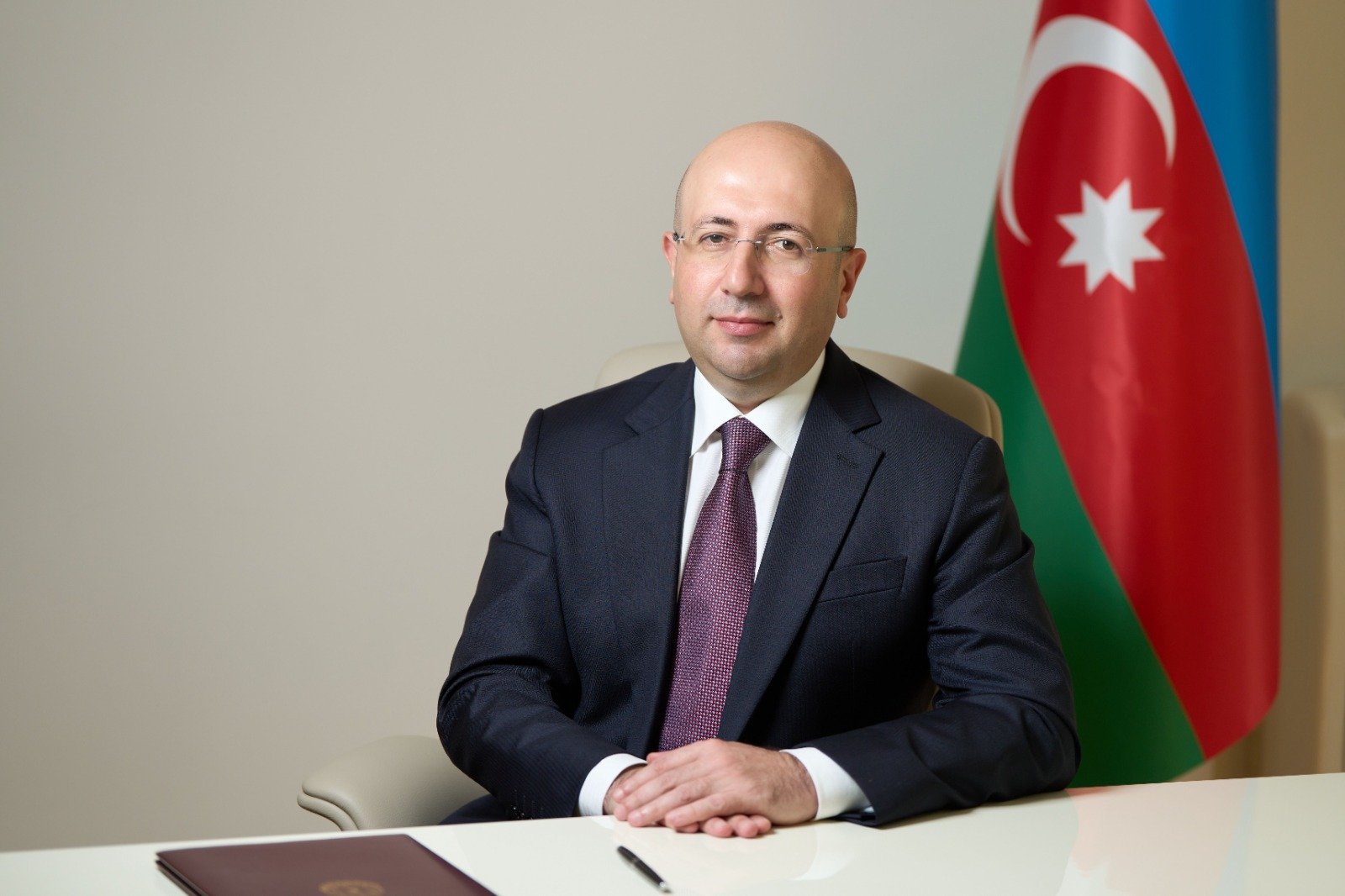
BAKU, Azerbaijan, November 25.November 25 marks Kalbajar City Day. On the sixth anniversary of the city’s liberation from occupation, Anar Guliyev, Chairman of the State Committee on Urban Planning and Architecture of the Republic of Azerbaijan, presented a video highlighting the city’s reconstruction, the return of its residents, and the development of modern infrastructure.
Since its liberation, Kalbajar has been developing in line with its Master Plan 2040, which takes into account the mountainous terrain and the needs of its residents. The plan envisages more than doubling the city’s area, from 130 to approximately 290 hectares, while its population is projected to grow from 7,500 to 17,000. The total residential floor area is expected to reach 488,000 square metres, with 4,250 housing units planned.
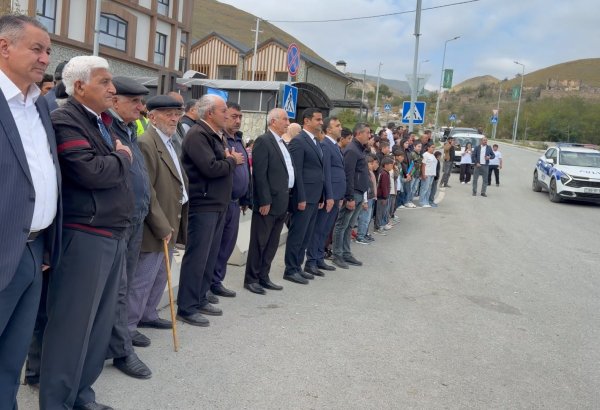
The first residential complex has already been completed and occupied, while construction continues on new neighbourhoods and social facilities. One of the major projects is a residential development designed for 524 families, featuring apartment buildings, townhouses, recreational areas, playgrounds, and sports facilities. An educational complex is also under construction within walking distance of the residential neighbourhoods, ensuring convenient access to education. So far, 162 families, comprising 681 people, have returned to the city.
Reconstruction also extends to the district’s rural settlements. In the high-altitude village of Zar, situated approximately 2,400 metres above sea level, new homes and essential social and utility infrastructure are being developed with careful consideration of the mountainous landscape.
Preserving Kalbajar’s natural environment and architectural heritage is another important priority. Among the region’s most significant historical landmarks is the ancient Khudavang Monastery Complex, a testament to the area’s centuries-old history and rich cultural heritage.
This commitment to the natural landscape is also reflected in the city’s urban development strategy. Under the Master Plan, green spaces will cover 22% of the urban area, or approximately 60 hectares, providing 33 square metres of green space per resident. Work is also underway on a new city park. To encourage sustainable mobility, the plan provides for more than 27 kilometres of roads and 22 kilometres of cycling routes. The planned cycling network will therefore be approximately 80% as long as the road network.
Transport and energy infrastructure are also being developed across the district. New roads and tunnels are improving access to remote mountain settlements. Meanwhile, 11 hydropower plants have been commissioned, supporting renewable energy production and Azerbaijan’s vision of transforming Garabagh and East Zangezur into a green energy zone.
Alongside infrastructure development, the region’s economic potential is being restored. The Istisu mineral water plant has resumed operations after nearly three decades, with an annual production capacity exceeding 100 million bottles. The facility has created around 100 jobs. Traditional industries, including beekeeping and honey production, are also being revived. At the same time, new hotels and tourism facilities are being developed, creating opportunities for mountain and wellness tourism. Together, these initiatives support investment, small businesses, and local employment.
The video showcases Kalbajar’s integrated approach to development, bringing together modern urban planning, the preservation of natural and historical heritage, and investment in infrastructure and the local economy. At the heart of these efforts is the creation of a modern, liveable city where returning residents can build their lives, pursue opportunities, and enjoy their homeland once again.