

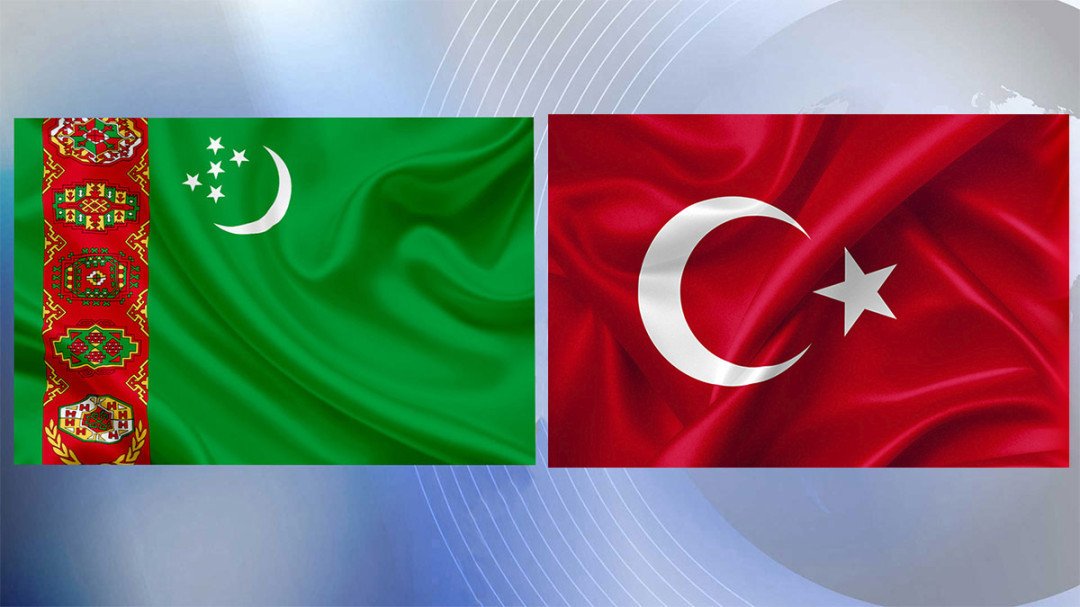
BAKU, Azerbaijan, November 11. Turkmenistan and Türkiye have discussed bilateral cooperation, including coordination within regional and international organizations and the expansion of cultural and humanitarian ties, the Turkmen Foreign Ministry reported.
The issues were discussed during a meeting between Turkmen Deputy Foreign Minister Myahri Byashimova and Turkish Ambassador to Turkmenistan Şener Cebeci.
The diplomats also highlighted the importance of the 31st Conference of the Parties to the UN Framework Convention on Climate Change (COP31), currently taking place in Antalya, Türkiye.
During the meeting, they exchanged views on further cooperation within regional and international organizations and discussed opportunities to expand cultural and humanitarian ties between the two countries, the report said.
Turkmenistan and Türkiye established diplomatic relations shortly after Turkmenistan gained independence. Türkiye was the first country to recognize Turkmenistan, on October 27, 1991, and opened its embassy in Ashgabat in February 1992. The two countries cooperate in the political, economic, cultural, and educational spheres, while Türkiye supports Turkmenistan's policy of permanent neutrality.
Economic ties remain an important part of bilateral relations. According to Türkiye's Foreign Ministry, bilateral trade reached $2.2 billion in 2025, including $1.3 billion in Turkish exports to Turkmenistan and $860 million in imports. The presidents of the two countries have set a target of increasing bilateral trade to $5 billion in the near term. Turkish companies have also been active in Turkmenistan's construction and industrial sectors, completing more than 1,000 projects worth over $54 billion since the country's independence.
Energy and transport have also become increasingly important areas of cooperation. In June 2026, the ninth meeting of the Intergovernmental Turkmen-Turkish Commission on Economic Cooperation identified transport and logistics as key areas, with discussions focusing on infrastructure connecting Central Asia and Europe. The sides also discussed energy cooperation, as well as construction, building materials, food production, and agriculture.