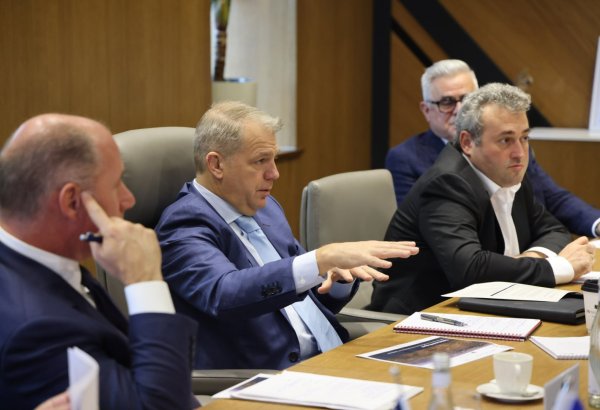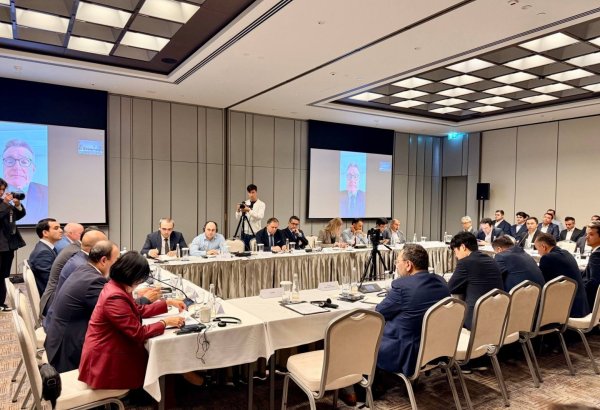







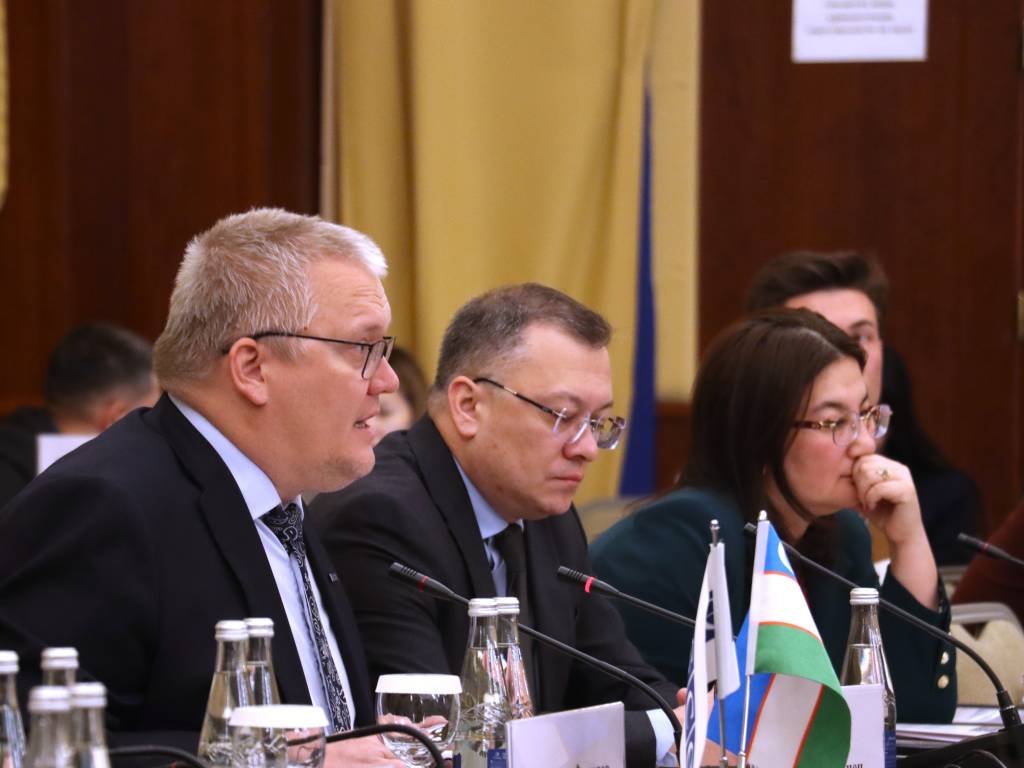
BAKU, Azerbaijan, November 7. A regional OSCE roundtable held in Tashkent demonstrated how media literacy can actively prevent youth radicalization and violent extremism. Journalists, civil society actors, and experts shared practical approaches – from counter-narratives to AI-driven tools – that help young people navigate information online critically, TurkicWorld reports via Uza.uz. Gender-sensitive strategies were highlighted to protect better and empower young women, showing that informed media engagement can create real change.
The event was organized by the OSCE Project Co-ordinator in Uzbekistan in co-operation with the Journalists’ Retraining Centre and brought together journalists, civil society activists, young professionals, and researchers from Kazakhstan, Kyrgyzstan, Tajikistan, and Uzbekistan.
Participants explored successful regional initiatives, hands-on fact-checking methods, and ethical reporting practices. They discussed how collaboration between media and civil society strengthens youth resilience, and new tools were introduced to tackle disinformation and harmful online content. The event also launched a regional expert network to continue sharing experiences and best practices in preventing violent extremism and terrorism.
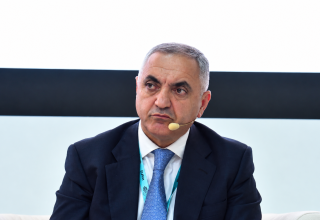
“In today’s digital world, distinguishing fact from disinformation is becoming increasingly difficult. As the most active users of the internet, young people are particularly vulnerable to false information. That’s why media literacy must serve as a shield to protect them. If young people bring a culture of critical thinking to their families and friends, the resilience of society will be strengthened”, said Ambassador Antti Karttunen, OSCE Project Co-ordinator in Uzbekistan.
The roundtable also sparked lively debates on how social media trends, influencers, and AI-generated content are shaping young people’s views. Participants agreed that understanding these dynamics is crucial for developing effective prevention strategies.
By the end of the forum, participants had gained practical tools, inspiring strategies, and connections to sustain ongoing efforts in youth engagement, critical thinking, and safe media practices across Central Asia.
It is worth noting that earlier, the OSCE Project Co-ordinator in Uzbekistan, in co-operation with the Journalists’ Retraining Centre, organized a series of media literacy courses across Uzbekistan’s regions. These courses equipped journalists and bloggers with the skills to think critically, spot disinformation, and analyze fake news.