

BAKU, Azerbaijan, November 2. Central Asian countries and the European Union have discussed ways to strengthen trade and economic ties through the development of the Trans-Caspian Transport Corridor and joint investment projects.
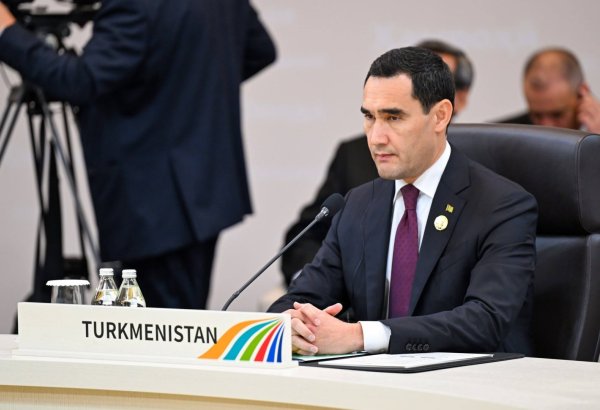
This was reflected in a statement issued by the Embassy of Turkmenistan in Belgium following the first Central Asia-EU Strategic Institutes Forum, which took place at the headquarters of the European External Action Service (EEAS) in Brussels.
Throughout the meeting, emphasis was placed not only on improving transportation infrastructure but also on creating favorable conditions for trade, industrial cooperation, and expanding access for goods from Central Asian countries to European markets.
The economic session also examined opportunities for implementing joint investment projects under the European Union's Global Gateway initiative, developing higher-value-added industries, introducing modern technologies and strengthening cooperation between business communities in the two regions.
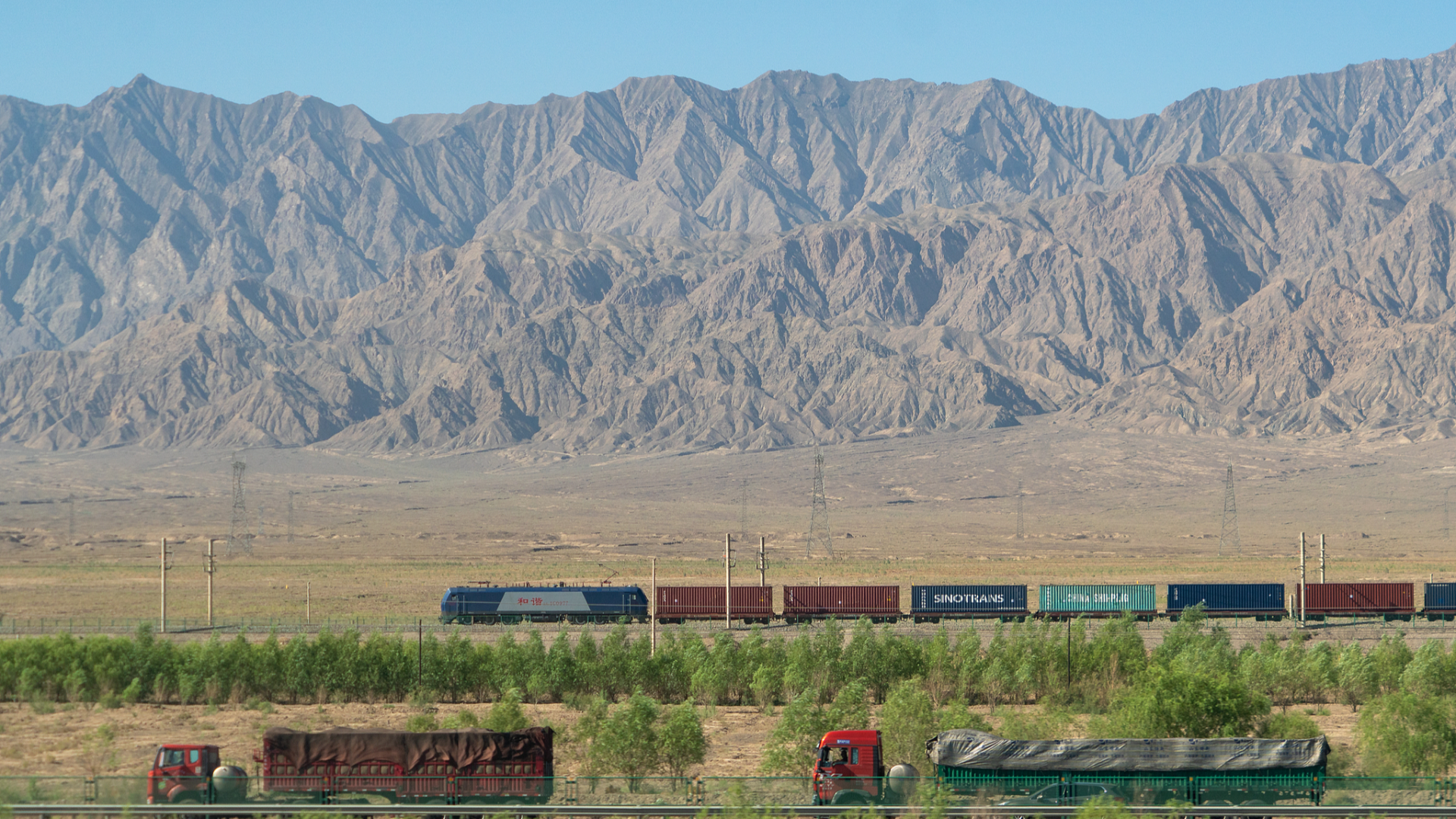
Meanwhile, the development of the Trans-Caspian Transport Corridor has become one of the key areas of EU cooperation with Central Asia under the Global Gateway strategy. In January 2024, the EU and its international partners announced a commitment to mobilize €10 billion for sustainable transport connectivity in the region. The initiative envisages improvements to railways, roads, ports and logistics centers, alongside digitalization, customs coordination and trade facilitation.
Recently, on June 23, 2026, the European Commission launched the Connectivity Agenda Platform, bringing together Central Asian countries, the South Caucasus and other regional partners. The initiative also includes agreements with international financial institutions expected to mobilize up to €2 billion for transport infrastructure, border crossing points and trade facilitation in the Black Sea region and the South Caucasus. Participants agreed to strengthen the operational performance of the Trans-Caspian corridor, with the European Commission tasked with assessing its functioning and proposing priority measures to improve competitiveness.