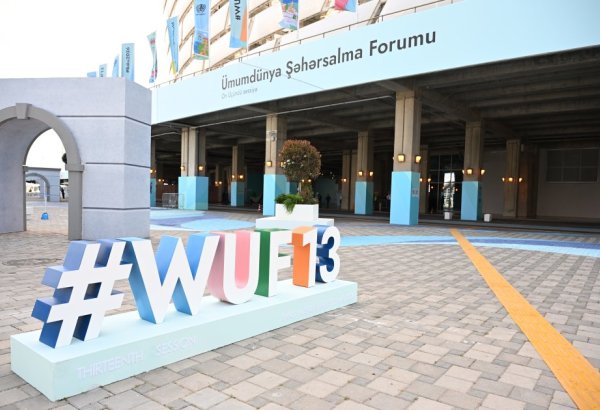
BAKU, Azerbaijan, April 23. Baku hosting another major international platform once again is a clear indication of Azerbaijan’s growing global influence and its recognition as a reliable partner. Holding such a prestigious event as the 13th session of the United Nations World Urban Forum (WUF13) in the capital creates new opportunities not only politically and economically, but also in social and institutional spheres. Along with increasing the country’s investment attractiveness, such events also help form additional platforms for international cooperation across various fields.
Organizing events of this scale naturally requires certain adjustments to the daily rhythm of city life. In particular, in a broad sector like the education system, it becomes essential to make flexible and prompt decisions. From this perspective, temporary adaptive approaches applied in education both ensure continuity of processes and create conditions for successfully fulfilling the organizational responsibilities undertaken by the country.
The relevant order signed by Minister of Science and Education Emin Amrullayev is of particular importance in this context. According to the document, certain changes are envisaged in the operating schedule of educational institutions in Baku during the forum dates of May 17–22. Although these changes do not apply to preschool and boarding-type general education institutions, alternative methods of organizing the educational process are planned at other levels of education.
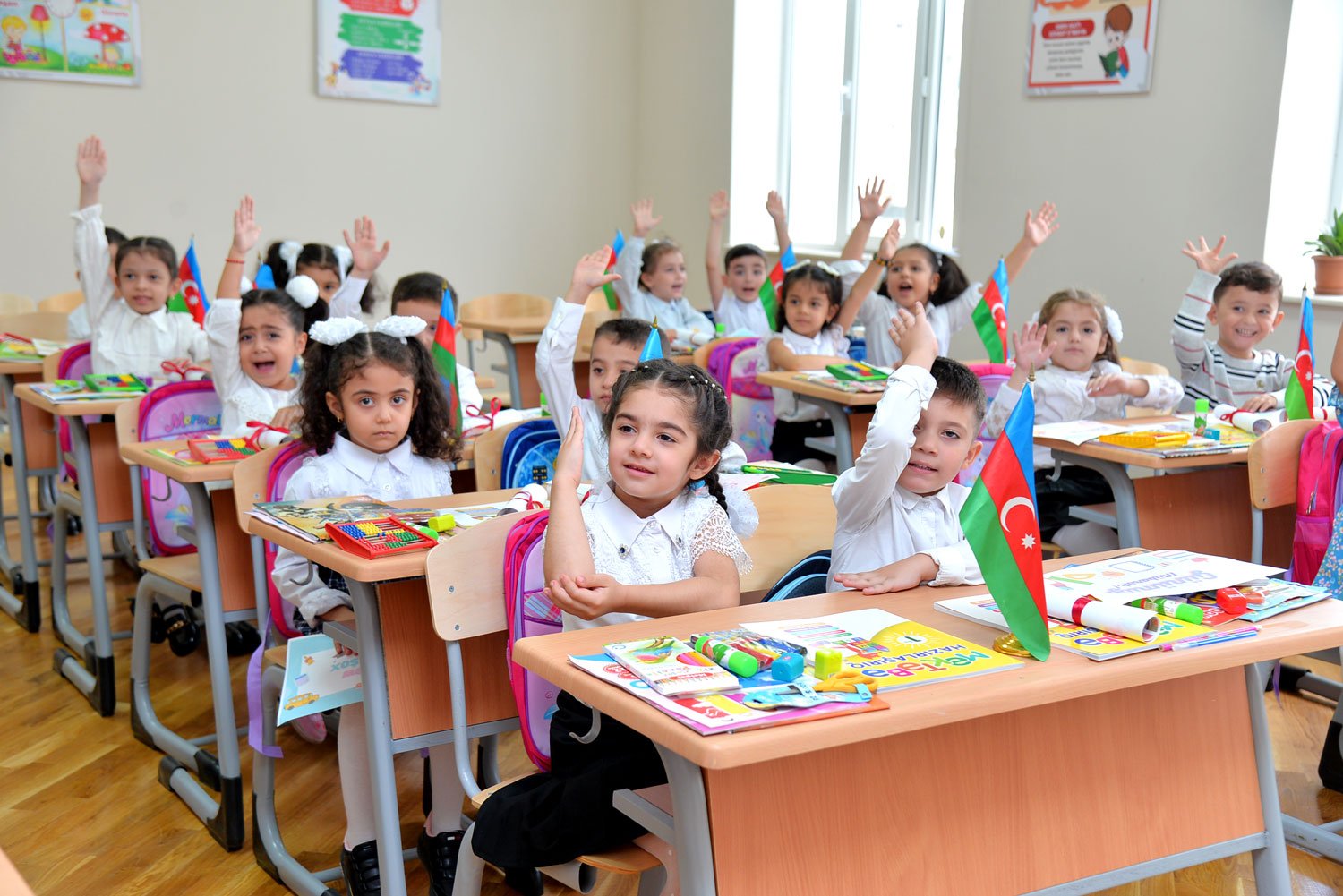
In line with the decision, preparatory groups and primary school classes in general education institutions will be given a short break from lessons. Specifically, the holidays initially scheduled for May 1–5 have been moved to May 18–22. This step serves both to ensure the safety of students and to reduce the load on the city’s infrastructure.
At the same time, except certain administrative areas of the capital, it has been decided to organize distant classes for grades 5–11 in general education institutions located in other districts. The Pirallahi, Garadagh, Surakhani, Sabunchu, and Nizami districts are excluded from these changes. Additionally, vocational, secondary specialized, and higher education institutions in Baku will also temporarily continue education remotely.
This approach fully aligns with the principle of continuity in education. The implementation of online teaching mechanisms to ensure that students don't fall behind the curriculum is already a tested and proven effective model. The experience gained during the pandemic showed that organizing education through digital platforms is both possible and efficient. In this regard, the current decisions once again demonstrate the system’s flexibility and its ability to adapt to crises.
In the modern world, digital education tools are no longer an alternative option, but are considered a complementary element of traditional teaching. The temporary transition to distant education not only responds to current needs but also positively impacts the development of students’ technological skills. This, in turn, is one of the factors contributing to the quality of human capital in the long term.
It's important to note that the decisions taken aren't permanent and cover only a specific period of time. No negative impact on the overall implementation of educational programs is anticipated. On the contrary, these planned changes further strengthen the resilience of the education system.
Similar practices are widely applied in various countries around the world. Temporary changes in the education sector to regulate city life during major international events have already become an established practice. In this regard, Azerbaijan is taking steps in line with global approaches, ensuring a balanced combination of organizational efficiency and social responsibility.
Ultimately, hosting a prestigious event like WUF13 in Baku further strengthens the country’s position in the international arena. At the same time, the decisions made within this process once again confirm that Azerbaijan possesses a modern, flexible, and resilient governance model. The measures implemented in the education sector demonstrate that the country has chosen the right strategy both in responding adequately to global challenges and in protecting the interests of its citizens.