BAKU, Azerbaijan, June 22. Kazakhstan and the European Union are discussing the development of the Middle Corridor, Kazakhstan Temir Zholy (KTZ) reported.
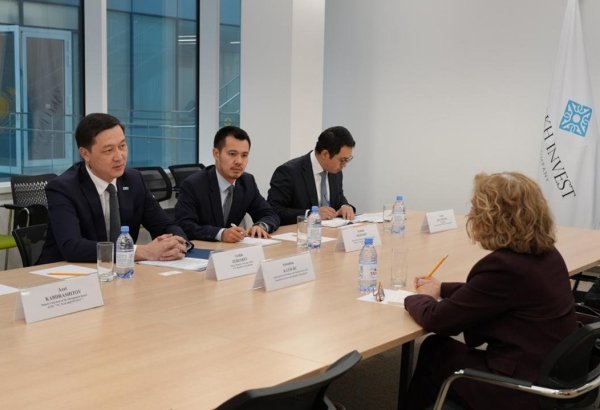
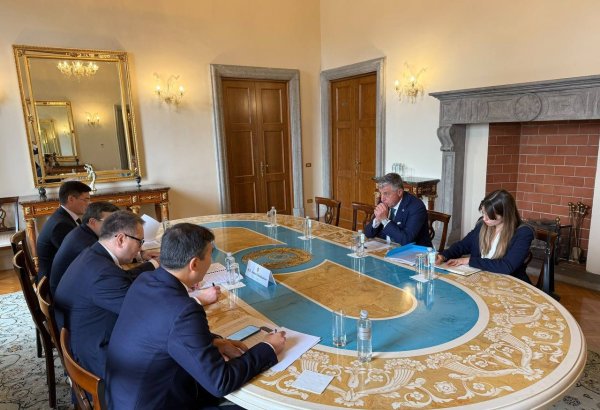
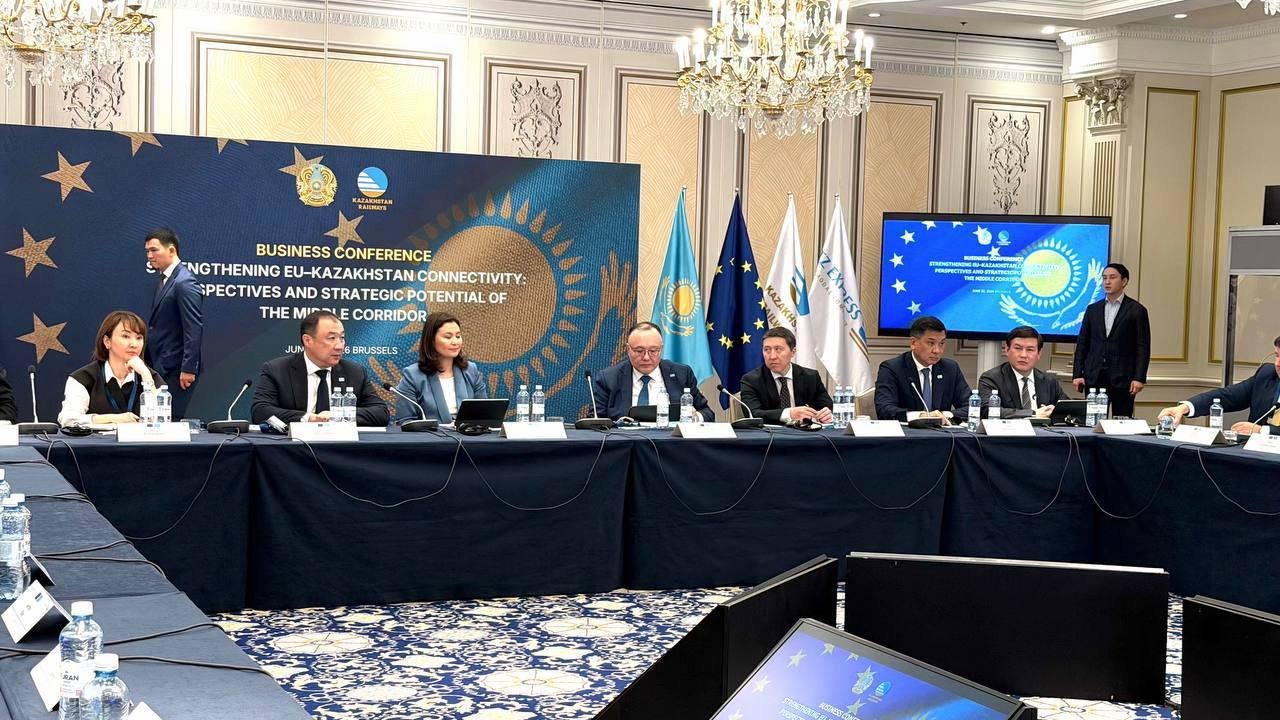
An international business conference titled “Strengthening EU–Kazakhstan Connectivity: Prospects and Strategic Potential of the Middle Corridor” is being held in Brussels. The event was organized by KTZ with the support of the Government of Kazakhstan and the Embassy of Kazakhstan in the Kingdom of Belgium.
Participants are focusing on strategic issues related to the development of the Middle Corridor, including increasing the coridor's transit capacity, modernizing railway, port and terminal infrastructure, digitalizing logistics processes, and building sustainable supply chains across Eurasia.
Special attention during the discussions has been given to integrating the Middle Corridor with the European Union’s Global Gateway initiative, as well as expanding transport and digital connectivity between Europe and Central Asia.
The event brought together more than 100 senior participants from Kazakhstan and EU member states. Representatives of major international companies, including DHL Global Forwarding, Alstom, DB Cargo, HHLA International, RHENUS, Hellmann Worldwide Logistics, Ahlers Logistics, and A.P. Moller–Maersk, took part in the conference.
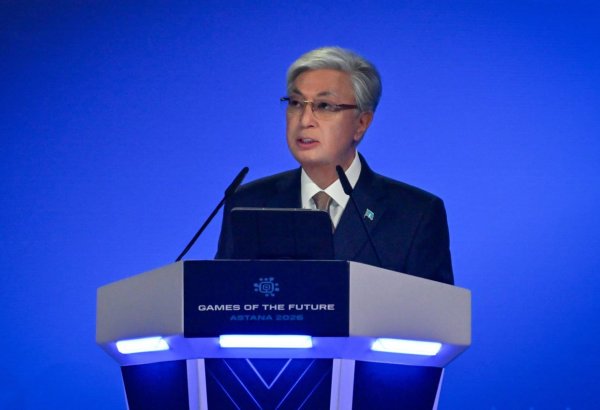
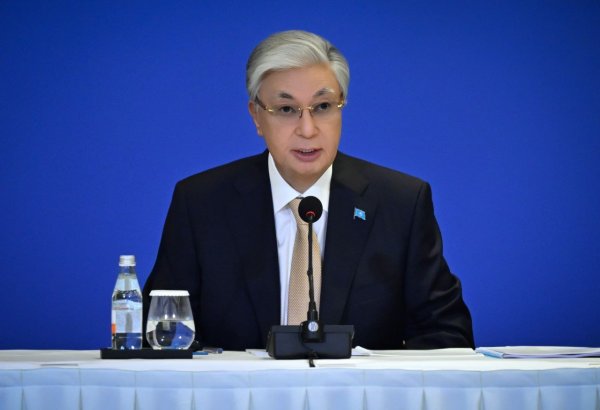
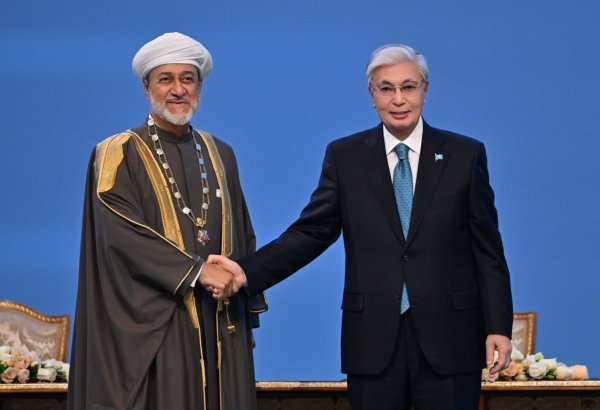
The conference is being held as part of the official visit of President Kassym-Jomart Tokayev to the Kingdom of Belgium at the invitation of the President of the European Council António Costa on June 22–23.
The Middle Corridor is a transport and trade route passing through several countries in the region and connecting Asia with Europe. It serves as an alternative to the traditional Northern and Southern Corridors.
The route begins in China and passes through the countries of Central Asia. It then crosses the Caspian Sea, Azerbaijan, Georgia, and Türkiye before reaching Europe. The Central Corridor is a land route that bypasses the longer sea routes connecting the eastern regions of Asia, including China, with Europe.