




BAKU, Azerbaijan, January 26. As a result of measures taken by the Government of Tajikistan, electricity production increased by 7 percent in 2025 compared to 2024, TurkicWorld reports via the press service of the President of Tajikistan.
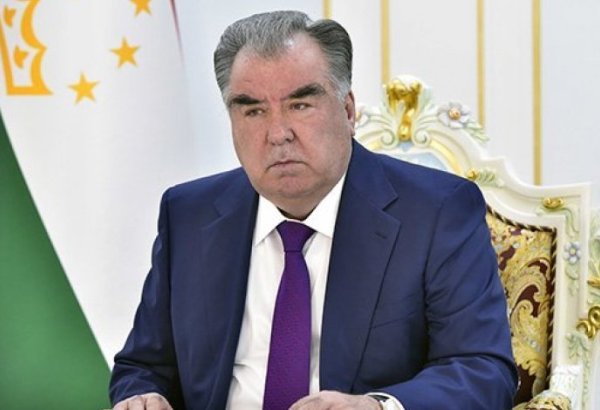
The statement was made by Tajik Prime Minister Kohir Rasulzoda at an expanded meeting of the country’s government held under the chairmanship of President Emomali Rahmon.
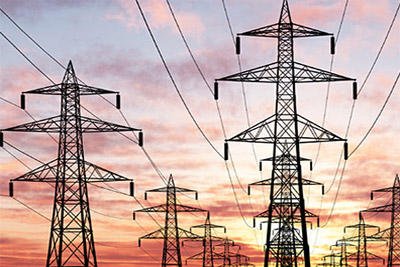
According to the prime minister, electricity output reached 24 billion kWh during the reporting period.
The prime minister emphasized that, to ensure sustainable development of the energy sector and achieve set objectives, 13 state-funded investment projects were implemented in 2025, totaling 14.9 billion somoni ($1.6 billion).
He also noted that despite complex global challenges and their negative impact on the national economy, 2025 proved to be a successful year for Tajikistan, with significant achievements recorded in the country’s political and socio-economic development.
President Rahmon emphasized that the results achieved provide a solid foundation for further socio-economic development and the implementation of the country’s strategic objectives.
Tajikistan's electricity generation is predominantly reliant on hydropower, accounting for approximately 95% to 98% of total production. Key plants include the Nurek HPP, which supplies over 70% of the country's energy and is among the world's highest dams. The Rogun HPP, currently under construction, aims to be the largest in the region. Other significant facilities on the Vakhsh River include Sangtuda-1, Sangtuda-2, and Baipaza HPP.
The Kayrakkum HPP on the Syr Darya River supports northern regions. To address winter shortages, combined heat and power plants and small hydropower stations are also utilized. Moreover, solar energy projects are expanding, with a goal of achieving 10% of energy mix diversification by 2030, alongside the CASA-1000 project for energy export to Pakistan and Afghanistan.
The GDP growth rate in the nation is anticipated to be 5.5%, with a nominal GDP per capita of around $1.8 thousand USD and a GDP per capita PPP of about $6.43 thousand international dollars. The economy is primarily driven by industrialization, infrastructure development, mining, and remittances, with agriculture contributing around 20% of GDP and aluminum and cotton as the main export commodities.