
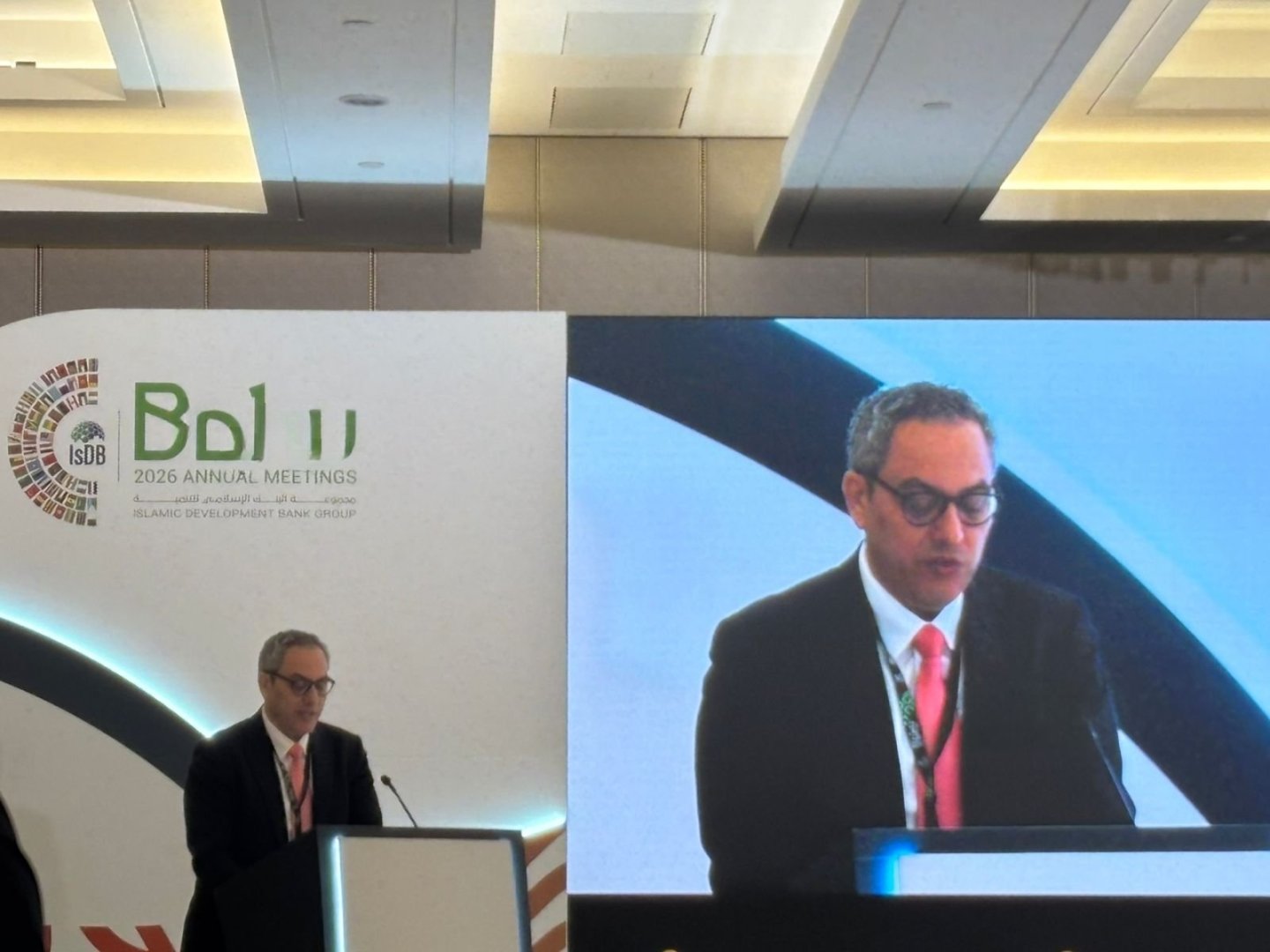
BAKU, Azerbaijan, June 16. The halal economy is currently one of the fastest-growing sectors of the global economy and has expanded far beyond a niche consumer segment, becoming a large-scale economic ecosystem, Head of the Islamic Development Bank Group (IsDB) Center of Excellence in Kuala Lumpur, Samer Elesawi, said at the 14th IsDB Group Private Sector Forum held in Baku, TurkicWorld's correspondent reports from the event.
Elesawi noted that the Halal Economy Leaders Forum serves as a unique platform for strengthening cooperation between policymakers, regulators, business representatives, investors, and development partners to advance the global halal economy.
Elesawi noted that the forum, held as part of the IsDB Group's annual meetings, has become one of the organization's key platforms, bringing together stakeholders to develop practical solutions for developing the halal economy in the bank's member countries.
According to Elesawi, global Islamic consumer spending in halal sectors will exceed $3 trillion in the coming years.
"Member countries of the Islamic Development Bank Group represent one of the largest global markets for halal consumption and production, which opens significant opportunities for developing trade within the Organization of Islamic Cooperation, industrial cooperation, investment partnerships, and support for small and medium-sized businesses," he said.
However, he noted existing challenges, including fragmented standards and certification systems for halal products, deficiencies in infrastructure and logistics, limited access to financing for halal businesses, and insufficient integration into global and regional value chains.
"Addressing these challenges requires closer cooperation and coordination between institutions and all participants in the halal ecosystem. That's why the theme of this year's forum, 'Halal Economy for Sustainable Regional Integration,' is particularly relevant," he emphasized.
Elesawi noted that regional integration requires not only the development of trade but also the creation of sustainable value chains, robust institutions, investment flows, knowledge sharing, and effective partnerships.
According to him, the halal economy can become a practical platform for achieving these goals, while simultaneously promoting job creation, small and medium-sized business development, and sustainable economic growth.
He also emphasized that the halal economy should be viewed not only through the prism of trade and consumption, but also as a strategic platform for economic diversification, food security, industrial development, and job creation.
According to Elesawi, the Islamic Development Bank Group is consistently expanding its support for the development of the halal ecosystem in member countries through capacity-building programs, investment promotion, technical cooperation, and the sharing of successful practices.