


BAKU, Azerbaijan, June 13. The volume of trade between Azerbaijan and Georgia amounted to $385.5 million from January through April of this year, which is $112.6 million, or 41.3%, more than the same period in 2025.
This is stated in a report by the State Customs Committee.
According to the report, over the reporting period, trade with Georgia accounted for 2.22% of Azerbaijan’s total trade volume. Thus, Georgia ranked 6th among the countries with which Azerbaijan conducted the largest number of trade transactions during this period.
Azerbaijan exported goods worth $340.3 million to Georgia from January through April of this year. This is $105.3 million, or approximately 44.8%, more than the same period last year.
This growth in exports is due to a significant increase in the volume of non-oil exports from Azerbaijan to Georgia. Thus, while non-oil products worth $105.8 million were exported from Azerbaijan to Georgia in the first four months of last year, this figure reached $175.9 million in the first four months of this year. Consequently, as the data shows, compared to the same period last year, Georgia increased its purchases of non-oil products from Azerbaijan by $70.1 million, or 66.3%.
In addition, Azerbaijan imported goods from Georgia worth $45.3 million from January through April 2026, an increase of $7.3 million, or 19.1%, compared to the same period in 2025.
Overall, economic relations between Azerbaijan and Georgia are developing at the level of a strategic partnership and play an important role in ensuring the region’s economic, energy, and transport security. The countries have been cooperating closely for many years in the fields of energy, transit, trade, investment, and logistics.
In May of this year, during Georgian Prime Minister Irakli Kobakhidze’s visit to Azerbaijan to participate in WUF13, Azerbaijan and Georgia reaffirmed their strategic partnership by signing a comprehensive package of agreements aimed at deepening bilateral cooperation in the fields of the economy, energy, and transport infrastructure. The signing ceremony took place in Baku on May 18, 2026, with the participation of President of the Republic of Azerbaijan Ilham Aliyev and Georgian Prime Minister Irakli Kobakhidze.
To implement the aforementioned intergovernmental agreements, the relevant state-owned energy companies of both countries have signed the Framework Terms, which define the key commercial parameters of the contracts to be concluded no later than October 15, 2026.
In addition, the State Oil Company of the Republic of Azerbaijan (SOCAR), SOCAR Midstream Operations LLC (SMO), and the Georgian Oil and Gas Corporation (GOGC) signed the Main Terms of the Operating Agreement, which define the terms of operation of the Georgian section of the Western Export Pipeline, including the Supsa Oil Terminal and related infrastructure.
The Coordination Council’s protocol also formalized the transfer of the relevant railway infrastructure to the joint venture BTK Railway Companies LLC for the management of the railway line, marking an important step in strengthening regional transport connectivity. The parties also agreed to resume daily passenger rail service on the Baku-Tbilisi-Baku route starting May 26, 2026.
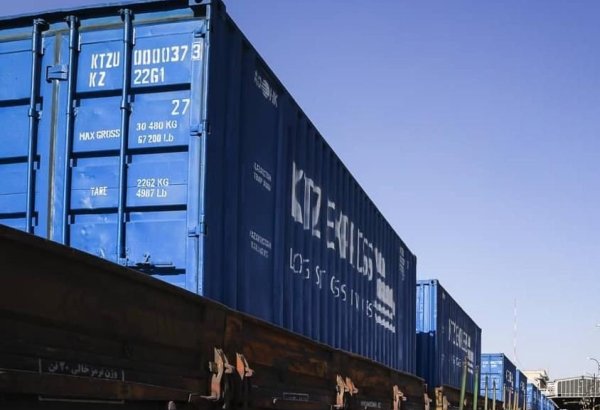
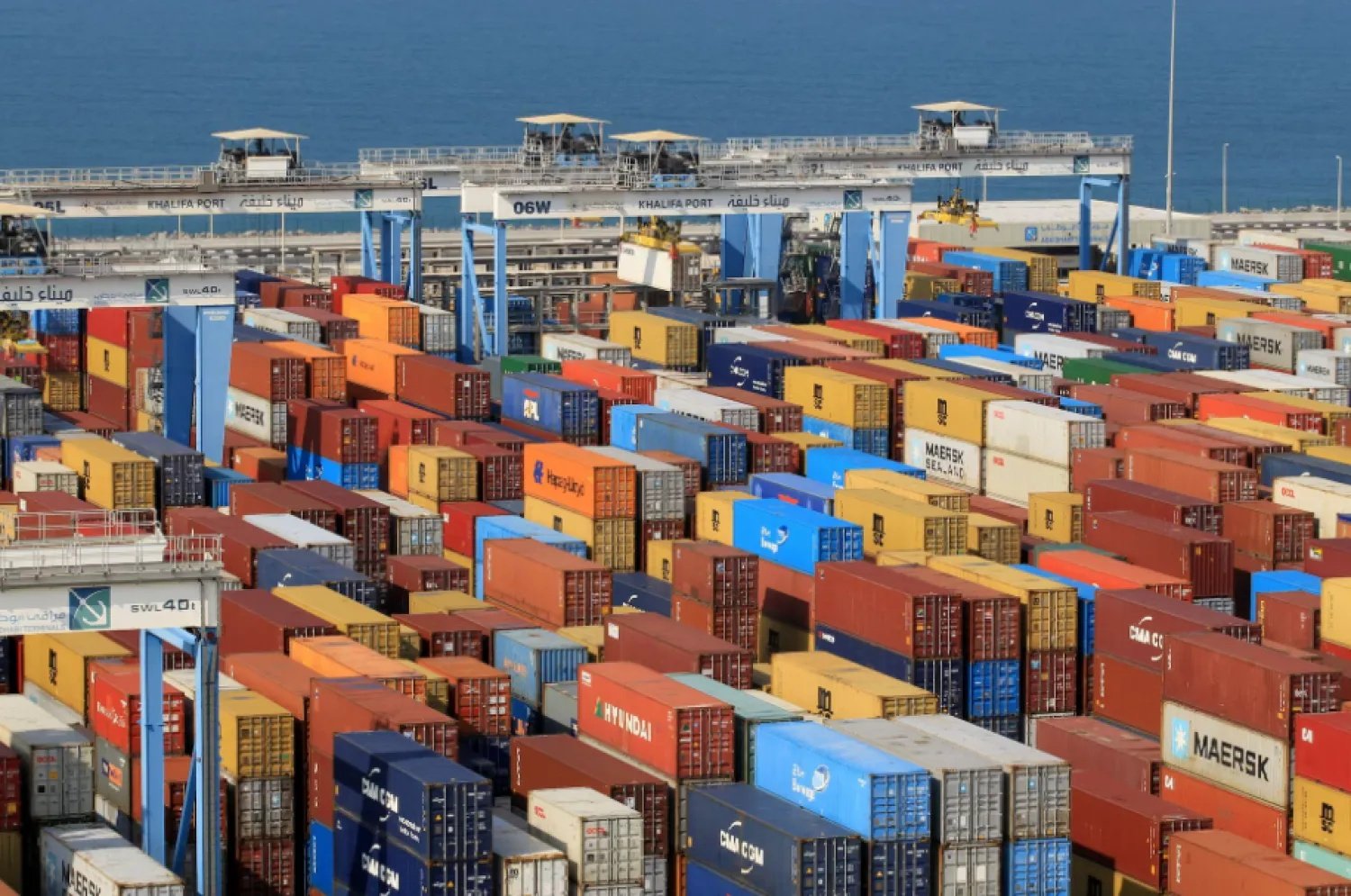
Azerbaijan and Georgia are also key partners in the field of transport and logistics. The Baku–Tbilisi–Kars railway line, as well as the Trans-Caspian International Transport Route (Middle Corridor), serve to expand freight traffic between Europe and Asia. Both countries contribute to enhancing the region’s transit potential as key participants in the East-West transport corridor.
Following the modernization of the Baku-Tbilisi-Kars (BTQ) railway line on June 2 of this year, freight transport capacity has been significantly expanded, and the project has entered a new phase.
Rovshan Rustamov, Chairman of Azerbaijan Railways CJSC, told reporters that the Baku-Tbilisi-Kars line has already evolved from a traditional transportation hub into one of Eurasia’s strategic logistics arteries.
"Today, the Baku-Tbilisi-Kars railway is not just an alternative route. It is a vital piece of infrastructure that transforms Azerbaijan’s geographical location into a real economic and strategic advantage, serving as a key structural element of the Middle Corridor," Rustamov said.
The chairman noted that as a result of the project’s modernization, the railway’s annual cargo capacity has increased from 1 million tons to 5 million tons. This enables faster and more efficient transportation of cargo along the East-West route.
According to Rustamov, the importance of the Baku-Tbilisi-Ceyhan (BTC) line lies in the fact that it not only expands Azerbaijan’s transit capabilities but also transforms the country into a regional logistics hub.
"Thanks to this line, our logistics capabilities are no longer limited to crossing the Caspian Sea and using Georgian ports. We have gained direct access to the European rail system via Türkiye. As a result of the integration of rail and maritime transport, Azerbaijan has moved beyond the status of a traditional transit country and has become a regional logistics hub," he emphasized.
Azerbaijan is one of Georgia’s main energy partners. Key elements of cooperation between the two countries include major international projects such as the Baku–Tbilisi–Ceyhan (BTC) main export oil pipeline, the South Caucasus Pipeline, and the Southern Gas Corridor. Azerbaijani gas is supplied to the Turkish and European markets via Georgia, which enhances Georgia’s importance as a regional energy hub.
Trade relations are also developing dynamically. In recent years, trade turnover between the two countries has been growing steadily, and Georgia has become one of Azerbaijan’s main trading partners. Azerbaijani companies are among the largest investors in the Georgian economy. Of particular note is the participation of the Azerbaijani capital in the energy, banking, telecommunications, transportation, and service sectors.
One of the new areas of cooperation in recent times is the "green energy" sector. Azerbaijan and Georgia are working together on strategic projects to export "green energy" to Europe via the Black Sea. These initiatives contribute to the development of renewable energy sources and the strengthening of the region’s energy security.
In general, Azerbaijani-Georgian economic relations are based on mutual trust and shared interests. Joint projects in the fields of energy, transportation, trade, investment, and green energy contribute to the economic development of both countries and further strengthen the South Caucasus’s position as an international transportation and energy hub.