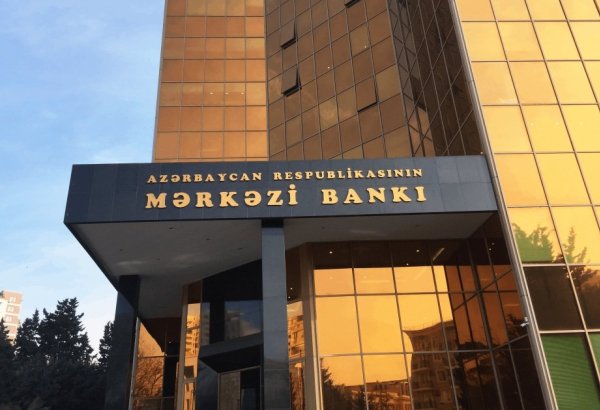




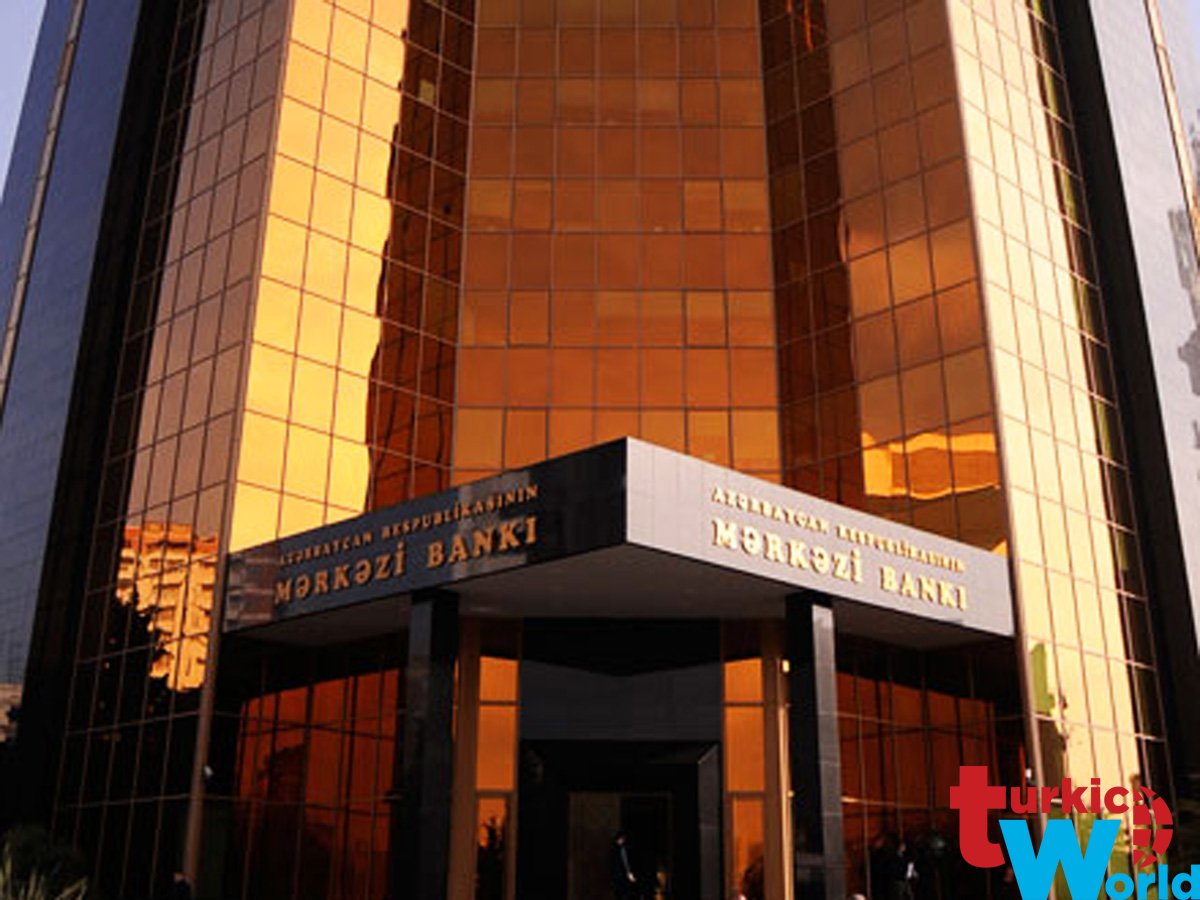
BAKU, Azerbaijan, December 10. The Management Board of the Central Bank of Azerbaijan (CBA) has made a decision to reduce all parameters of the interest rate corridor by 0.25 percentage points.
The refinancing rate has been reduced to 6.75%, the lower bound of the interest rate corridor to 5.75%, and the upper bound to 7.75%.
The decision regarding the interest rate corridor is based on factors such as the alignment of actual and projected inflation with the target range (4±2%), the current situation in the global economy and financial markets, domestic macroeconomic trends, and the transmission characteristics of monetary policy decisions to the real sector.
Currently, the annual inflation is moving along the projected trajectory and remains within the target. In October 2025, the 12-month inflation rate was 5.9%. The annual price increase for food products, alcoholic beverages, and tobacco products was 8.2%; for paid services it was 5.6%, and for non-food products it was 2.5%. The annual core inflation was 5%. Actual inflation is mainly influenced by external and domestic cost factors.
This year, the situation in the currency market has been stable, as supply has exceeded demand. From January through November 2025, foreign exchange bureaus bought and sold a total of $393 million more than in previous years. The dollarization level of resident individual deposits decreased by 2.1 percentage points to 29% in November, indicating optimistic expectations regarding the exchange rate. In this environment, the CBA's foreign exchange reserves increased by 4.3% in the first 11 months of 2025, reaching $11.4 billion.
The favorable foreign sector indicators remain a key factor for balance in the currency market. In the first nine months, the current account balance (CAB) recorded a surplus of $3 billion, or 5.4% of GDP. The CAB surplus mainly resulted from the surplus in the balance of trade and secondary income. The dynamics of net inflows in remittances, a key component of the secondary income balance, showed positive growth compared to the previous year. The CBA's forecast for a surplus in the current account balance for 2025 and 2026 remains unchanged.
Monetary policy tools are applied based on ongoing processes in the financial markets and the liquidity position of the banking system. The Ministry of Finance's deposit auctions continue to have a liquidity-enhancing effect on the banking system. Since the last meeting, interest rates in the unsecured money market have moved close to the discount rate within the CBA's interest rate corridor.
The average daily value of the AZIR index was 6.89% in October, 6.91% in November, and 6.94% in the period leading up to December. The CBA has mainly minimized the effect of non-monetary policy factors on AZIR through one-week open market operations. Since the last meeting, there has been a decline in the yield curve and on CBA notes. No significant changes were observed in deposit and loan rates.
Based on the base scenario, the forecast for annual inflation remaining within the target range by the end of 2025 and in 2026 remains unchanged. Analysis of recent trends suggests that there is a likelihood of a downward revision in the inflation forecast for the next year.
An analysis of changes in inflation risks since the last meeting shows that the intensity of the increasing risks has relatively diminished. However, geopolitical tensions and instability in the global trade environment continue to maintain high uncertainty in commodity and financial markets. The main external risk is related to the transmission of import prices into domestic inflation.
This risk will depend on inflation processes in trade partner countries and the dynamics of the nominal effective exchange rate. Domestic risk factors are mainly formed by supply-side cost factors. For 2026, the preliminary parameters of the state budget and the slowdown in the annual growth rate of credit investments reduce the risk of excessive demand growth.
The next decision regarding the parameters of the interest rate corridor will be based on updated forecasts and actual inflation trends, as well as revised macroeconomic analysis results. The CBA will continue to use all available tools to ensure price stability.
This decision will come into effect on December 11, 2025.
The schedule for the public announcement of the interest rate corridor decisions for 2026 will be published by the end of the year.