

BAKU, Azerbaijan, October 29. Global trade in liquefied natural gas (LNG) in the period from January through October 2026 declined by approximately 11 bcm, or 2%, compared with the same period last year.
According to the International Energy Agency’s (IEA) Global Gas Security Review 2026, the global LNG market may record its first annual decline since 2012 by the end of the year.
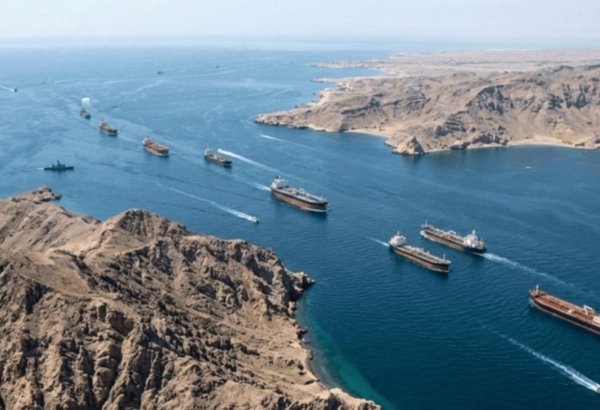
As noted in the report, despite a significant increase in supplies from new and existing projects, eight months of shipping restrictions through the Strait of Hormuz led to the global gas market becoming significantly tighter than previously expected.
"Against the backdrop of reduced supply, LNG imports to Europe and Asia also declined year-over-year through October. At the same time, competition among importers for spot LNG cargoes has intensified noticeably since July due to a combination of adverse market factors and the approaching heating season.
Further disruptions to LNG supplies from the Persian Gulf could exacerbate market tensions not only through the end of 2026 but also during the winter of 2026–2027.
At the same time, the commissioning of new LNG facilities helped partially mitigate the impact of the closure of the Strait of Hormuz. From January through October, new projects increased LNG supply by approximately 38 billion cubic meters on an annualized basis, with North America accounting for about 85 percent of the additional volume.
The main contribution came from three projects that began ramping up production in 2025: Plaquemines LNG and the third phase of the Corpus Christi expansion in the U.S., as well as LNG Canada, despite operational difficulties.
New projects in the Congo, as well as off the coasts of Mauritania and Senegal, contributed a more modest increase of about 3 billion cubic meters. Nevertheless, this demonstrates Africa’s growing role in the global LNG market," the agency’s report states.
In addition, it is noted that in January 2026, the Australian Darwin LNG project resumed exports after being idle for two years due to the depletion of its associated gas field. The connection of the new Barossa field allowed for an increase in LNG exports from Australia by approximately 2.8 bcm, or 3%, during the first ten months of the year.
"Existing projects also contributed to the additional volumes. Individual exporters increased their shipments by approximately 16 bcm on an annualized basis.
In particular, LNG exports from Malaysia rose by 4 bcm, or 14%, and from Nigeria by 5 bcm, or 30%. This was made possible by improvements in operational performance and increased availability of gas for liquefaction.
Supplies from Norway increased by approximately 2.5 bcm, or 80%, following the normalization of plant operations after the completion of scheduled and unscheduled shutdowns in 2025.
Russia also recorded an increase in exports of more than 2 billion cubic meters, or 6%. This was driven by increased shipments to China from the sanctioned Arctic LNG 2 project.
LNG exports from Oman increased by approximately 1.4 bcm, or 11%, as the plant’s three processing lines operated at utilization rates above their design capacity.
Taking into account production cuts at some other operating facilities, the total net increase in LNG supply from existing projects in the period from January through October amounted to about 13 bcm," the agency reports.