



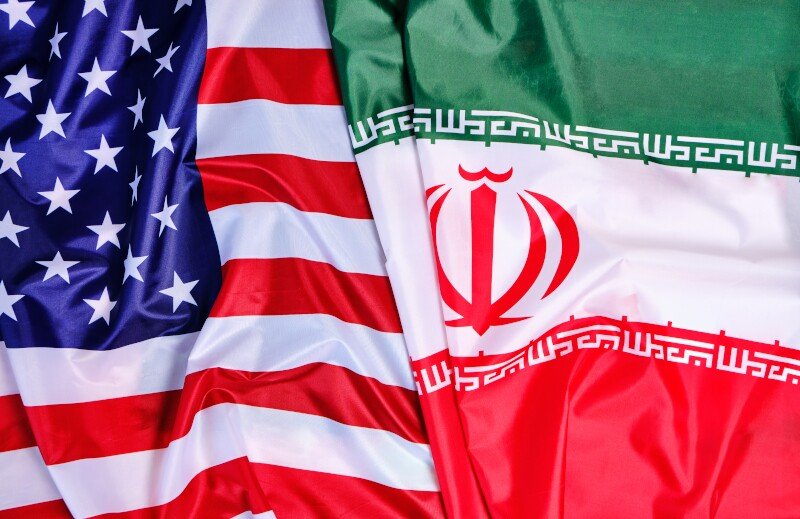
BAKU, Azerbaijan, August 15. The United States and Iran are adjusting their policies as the six-month war continues to impose growing military, economic and political costs on both countries, according to Setareh Sadeqi, an assistant professor at the University of Tehran.
Sadeqi said Iran had concluded that demonstrating strength, rather than showing urgency for a negotiated agreement, was the approach most likely to influence Washington. She said Tehran’s immediate priority was protecting its sovereignty and population from US attacks, while Washington had increasingly turned toward economic pressure against Iran.
“Iran has learned that the only language that the Washington regime will respond to is a language of power and showing that they are not desperate for a deal,” Sadeqi said.
She added that Iran views the conflict as an existential war, while the United States has greater freedom to decide whether to continue fighting.
“For Iran, this is an existential war, and they are the target of a campaign of aggression and terrorism by the United States. For the US, it’s a war of choice. They can withdraw from this war if they want,” she said.
According to Sadeqi, Iran’s position is fundamentally shaped by the need to defend itself against attacks, while both sides recognise that continuing the conflict carries substantial costs.
“Iran just has to defend and respond to the attacks. Both countries know it is very costly for them,” she said.
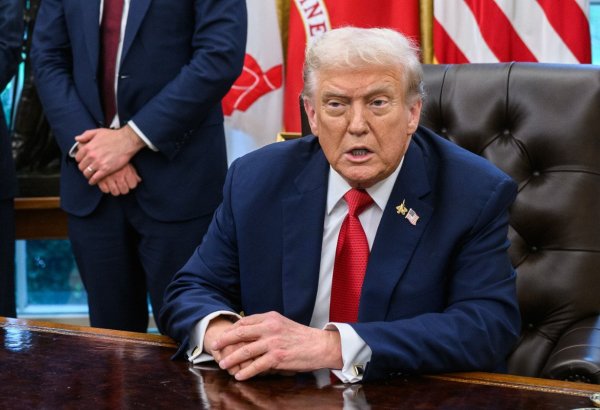
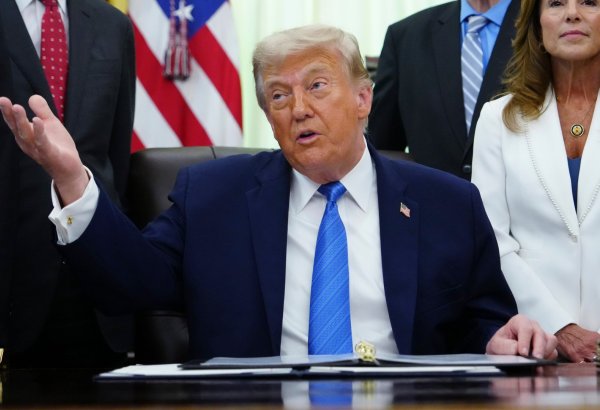
Sadeqi does not expect Washington to change course in the immediate future. She argued that the United States is likely to continue relying on military pressure whenever it believes it has the capability to do so, particularly under President Donald Trump.
“I think, unfortunately, the United States will continue to opt for military aggression if they can and if they have the capability to do so because that is the trajectory of US foreign policy, particularly under Trump,” she said.
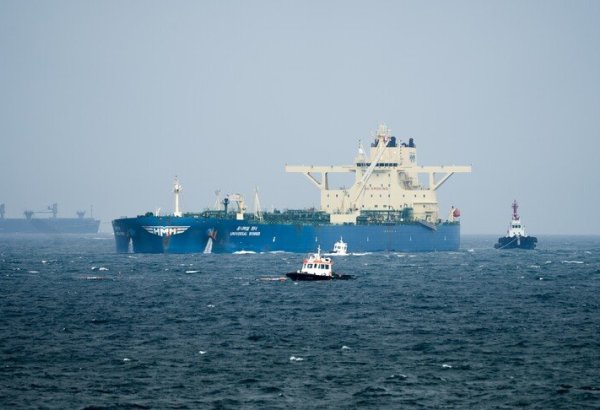
The continuing dispute over the Strait of Hormuz is also central to the confrontation. Sadeqi said Iran was unlikely to abandon its claim to control the strategically vital waterway.
The standoff over the strait has broader implications for global energy markets and international shipping because it is a major route for oil and other energy exports from the Gulf.
The assessment comes as Washington and Tehran face mounting pressure to end a conflict that has become increasingly costly while remaining deadlocked over security, sovereignty and the future of the Strait of Hormuz.