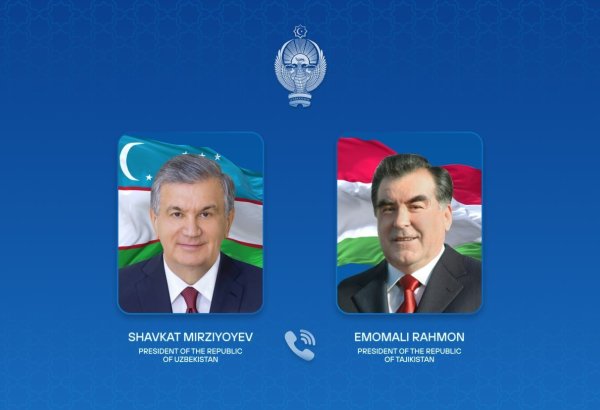
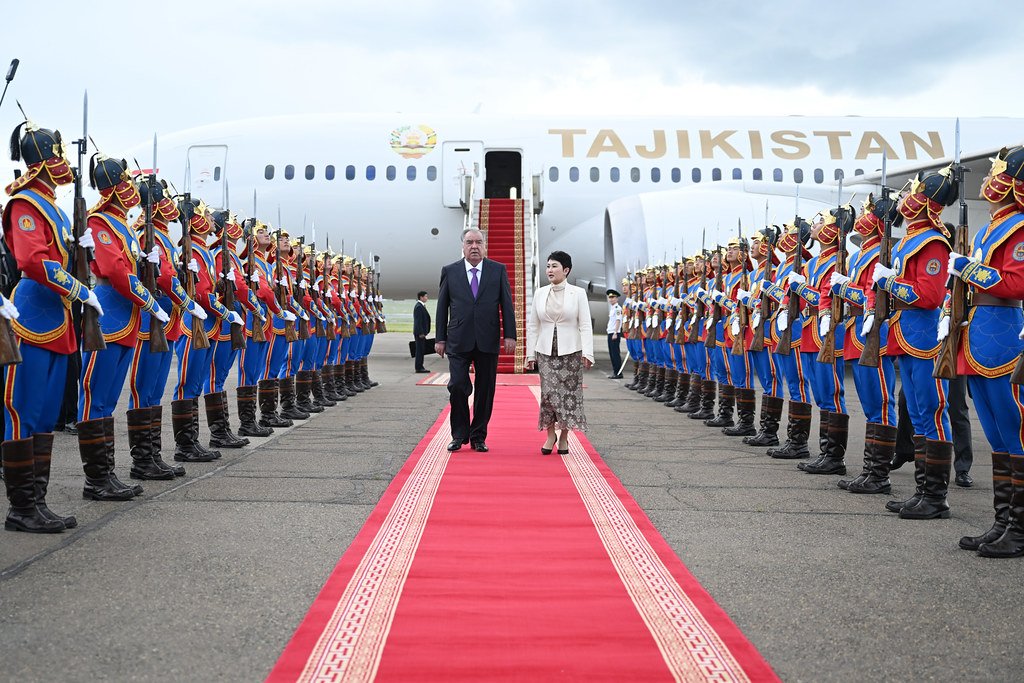
BAKU, Azerbaijan, July 21. On July 20, President of Tajikistan Emomali Rahmon arrived in Mongolia on a state visit. The visit takes place against the backdrop of steadily intensifying bilateral engagement, with cooperation between the two countries expanding across a growing range of sectors in recent months.
Although Tajikistan and Mongolia do not share a common border and have maintained relatively limited interaction for many years, bilateral relations have recently entered a phase of gradual expansion. A series of ministerial-level meetings, participation in regional platforms, and preparations for new bilateral agreements reflect a shared commitment to broadening cooperation beyond individual initiatives.
One of the key developments preceding the state visit was the organization of the Days of Tajik Culture in Mongolia. The program included a gala concert and an art exhibition, while the culture ministers of the two countries held discussions on further strengthening cultural cooperation. The agenda covered the establishment of direct partnerships between theaters, museums, libraries, and other cultural institutions, support for collaboration among artists and researchers, the organization of film festivals in Dushanbe and Ulaanbaatar, and the promotion of cultural tourism.
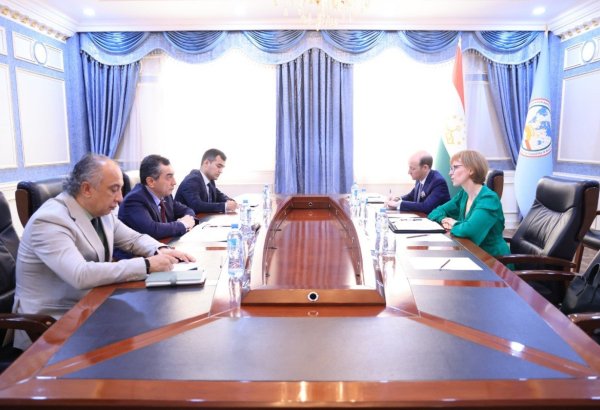
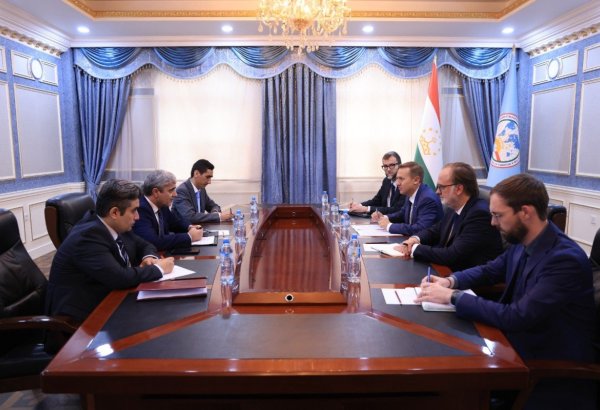
At the same time, bilateral engagement in the transport sector has also gathered momentum. Earlier, Tajikistan’s Deputy Minister of Transport, Shoista Saidmurodzoda, participated in the 23rd Meeting of the Central Asia Regional Economic Cooperation (CAREC) Transport Sector Coordinating Committee in Mongolia, where he also held talks with Mongolia’s Minister of Roads and Transport, Borkhuu Delgersaikhan.
During those meetings, the two sides reaffirmed their readiness to expand cooperation in rail, road, and air transport. Particular attention was given to preparations for signing a bilateral agreement on international road transport, as well as to discussions on developing new transport flows that could strengthen transport and logistics links across Eurasia. The parties also exchanged views on prospects for enhancing cooperation in civil aviation and railway transport.
Energy has emerged as another important area of engagement. Earlier, a Tajik delegation led by Minister of Energy and Water Resources Daler Juma took part in the CAREC-2026 Senior Officials' Meeting in Ulaanbaatar. Discussions focused on regional energy integration, infrastructure development, digitalization, transport connectivity, and the promotion of the green agenda.
Speaking at a side event on the green transition and regional energy cooperation, Juma said Tajikistan views hydropower as one of the key pillars of energy security and sustainable development. Dushanbe also reiterated its support for cross-border energy infrastructure projects, including CASA-1000.
On the sidelines of the forum, Juma met with Mongolia's Minister of Energy, Naidalaa Badrakh. The two sides discussed prospects for cooperation in renewable energy, energy efficiency, and the implementation of a memorandum of cooperation signed by the two ministries in Dushanbe in July 2025.
Cooperation in water resources was also high on the agenda. During talks with Batbayar Zeneemyadar, head of Mongolia's Water Agency, Juma discussed water resources management, sustainable water use, environmental protection, and the exchange of expertise. The parties also reviewed Tajikistan's international initiatives in water diplomacy and climate-related issues.
Taken together, these contacts indicate that relations between Dushanbe and Ulaanbaatar are becoming increasingly comprehensive. While bilateral ties were previously focused largely on political dialogue within international organizations, the agenda now encompasses transport, energy, culture, environmental cooperation, and sustainable development.
Rahmon's state visit could mark the next stage in this process. Possible outcomes include new intergovernmental agreements, faster progress toward signing the bilateral international road transport agreement, and further cooperation in civil aviation and railway connectivity.
The two countries could also expand cooperation in the energy sector through the implementation of the 2025 memorandum, greater exchange of expertise in renewable energy and energy efficiency, and the promotion of joint initiatives on regional platforms.
In the cultural sphere, bilateral ties could evolve through the regular organization of cultural days, film festivals, exchanges between cultural and educational institutions, and broader tourism cooperation.
At the regional level, cooperation between Tajikistan and Mongolia could continue to expand within CAREC and other multilateral frameworks addressing transport, energy, infrastructure, and sustainable development. Depending on the outcomes of the state visit, the current momentum in bilateral relations could lead either to the implementation of existing agreements or to the launch of new joint projects and a broader political and economic dialogue.