




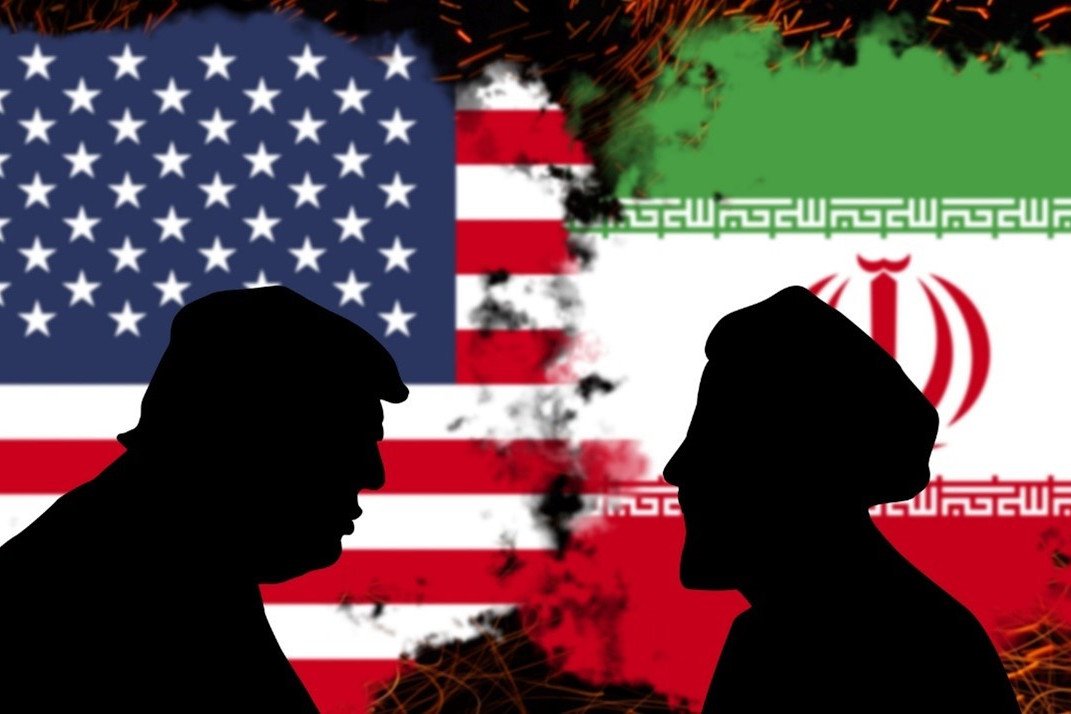
The United States expanded its airstrike campaign against Iran early Friday by targeting bridges and other infrastructure, as Iran launched new missile and drone attacks against US-allied nations in the Middle East and warned that its retaliation could escalate TurkicWorld reports via arabnews.
The latest strikes marked the sixth consecutive night of US attacks, with Washington increasingly targeting infrastructure after President Donald Trump threatened to strike Iranian bridges and power plants to pressure Tehran to ease its chokehold on the Strait of Hormuz.
Iran’s Revolutionary Guards said Friday they had struck two radar sites belonging to the United States in the Gulf sultanate of Oman.
A statement said their forces “targeted and destroyed the maritime surveillance radar at the Salamah Rocks and the US air surveillance radar stationed in the Ghanam area.”
In Qatar, authorities warned the public to take shelter as a barrage of Iranian missiles targeted the country. Residents heard explosions overhead as air defenses fired to intercept the missiles, while Qatar’s Interior Ministry said falling debris wounded a child.
Iran earlier targeted Bahrain and Kuwait in retaliation for US airstrikes on bridges in the Islamic Republic.
Qatar is a key mediator, alongside Pakistan, in efforts to end the war, but talks have broken down over Iran’s control of the Strait of Hormuz.
Ceasefire in Iran war has collapsed
The interim ceasefire agreed last month has collapsed, and the region has endured days of back-and-forth attacks between the United States and Iran as they battle for control of the strategic waterway.
Iranian officials say US strikes have killed more than 35 people and wounded more than 300 others, with new casualties reported in Friday’s attacks.
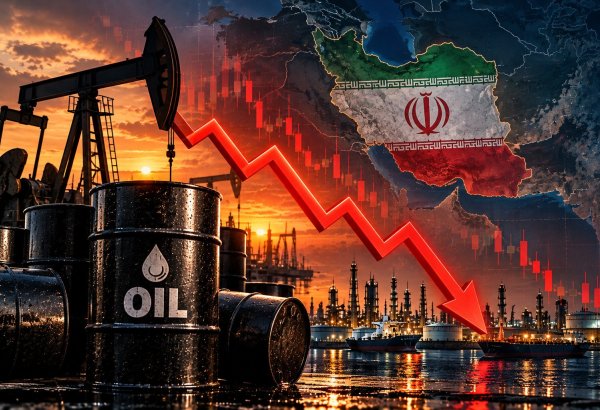
When the United States and Israel launched the war on Iran on Feb. 28, Tehran effectively closed the strait to shipping traffic, sending oil prices soaring and giving Iran major leverage in negotiations.
Speaking in a primetime address to the American public, Trump insisted that the war was going well.
“We are likewise winning big in Iran, and you will see the fruits of that labor very, very shortly,” Trump said.
Col. Ebrahim Zolfaghari, a spokesperson for the Iranian military’s Khatam Al-Anbiya Central Headquarters, earlier threatened that Iran could launch widespread attacks on “all the infrastructure in the region” if the United States acted on Trump’s repeated warnings that America could hit Iranian bridges and power plants.
“Under no circumstances and in no way will we allow America, as a foreign and extraregional country, to interfere in the Strait of Hormuz,” he said. “This is Iran’s invincible red line.”
US airstrikes hit bridges in Iran
The US airstrikes hit bridges overnight into Friday in Iran’s southern Hormozgan province, killing at least seven people, Iranian state television reported. The attacks struck Bandar Khamir, a city on Iran’s coast near the Strait of Hormuz.
US Central Command said its latest airstrikes, which concluded at dawn Friday, hit dozens of targets.
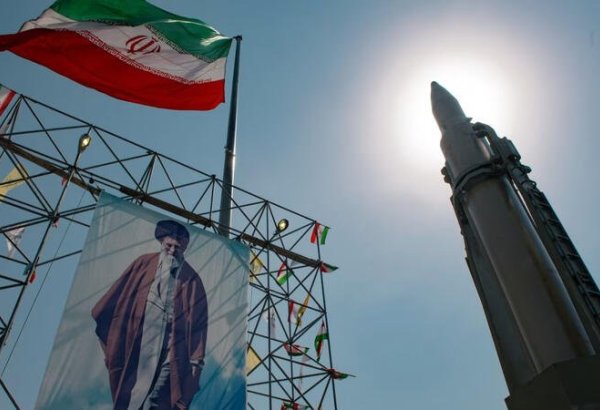
Iranian state media said US strikes on Thursday hit areas around Tehran and Semnan province, home to Iran’s ballistic missile production and space program.
Trump has returned in recent days to threats to target Iranian power stations and bridges in an effort to compel Iran to loosen its hold on the strait, through which about one-fifth of all oil and natural gas traded globally passed in peacetime.
The United States has also reimposed a naval blockade on Iranian ports to halt shipments of crude oil.
US forces boarded a ship in the Gulf of Oman on Thursday as part of the renewed blockade, which began earlier this week.
US Marines boarded the M/T Wen Yao “to ensure full compliance with the ongoing US naval blockade,” Central Command said in a post on X.
The previous day, a US aircraft fired on and disabled an unladen oil tanker that attempted to break the blockade.
Central Command also said it had redirected three commercial vessels attempting to run the blockade since it took effect at 2000 GMT on Tuesday.
US forces previously blockaded Iranian ports from April 13 to June 18, during which they disabled nine ships and redirected more than 140, according to Central Command.
Shipping through Strait of Hormuz falls
Week-to-week cargo shipments through the strait dropped by almost a quarter at the beginning of the month, according to maritime data firm Lloyd’s List Intelligence — before the latest surge in tit-for-tat attacks.
Given the risks, some oil shippers are transiting the strait with their location devices turned off, while many others are staying put, Lloyd’s said Thursday.
A growing amount of the region’s energy is being shipped through pipelines, but not enough to offset the decline in shipping through the strait.