




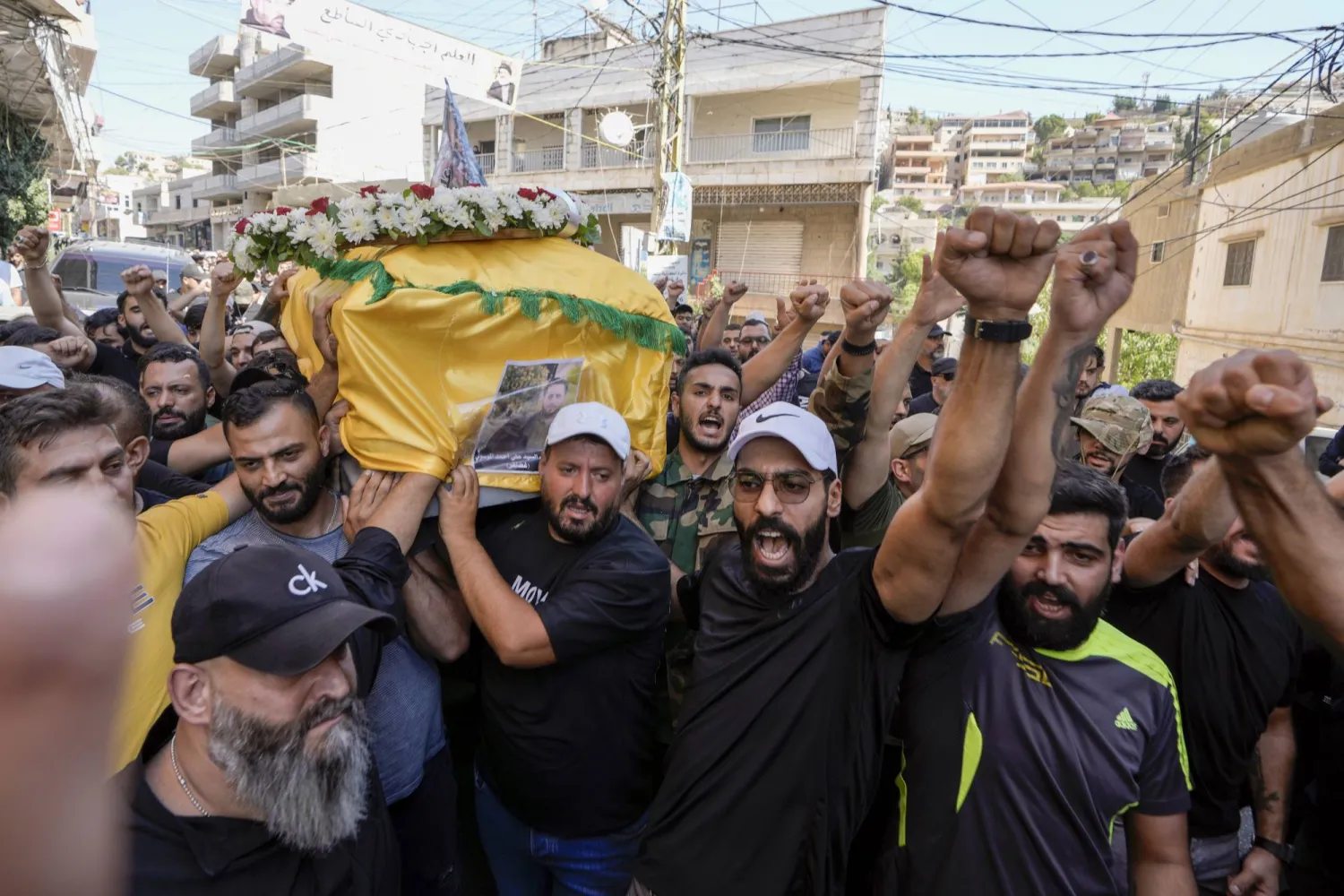
BAKU, Azerbaijan, March 20. The war between Hezbollah and Israel has seen a shift in media handling, particularly regarding announcements of casualties. After initially adopting, at the start of the 2024 war, a policy of near-daily announcements, the group later gradually reduced such statements before halting them altogether. This approach continues in the current fighting, with obituary notices largely absent or confined to a limited local scope in the villages and towns from which the members originate, for security, psychological and political reasons TurkicWorld reports via aawsat.
From public obituaries to limited disclosure
In the first weeks of the 2024 war, Hezbollah issued successive statements naming those killed, publishing their photos and hometowns, alongside public funeral ceremonies. This approach later receded, with fewer statements issued before they nearly stopped entirely by late September 2024, when the announced toll stood at 450.
By the end of the war in November 2024, estimates put the death toll at about 4,000, including those killed in what is referred to as the “pager operation,” according to estimates rather than official figures from Hezbollah.
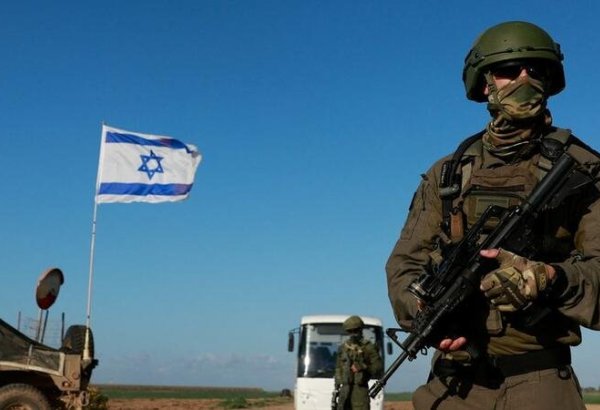
On Thursday, Israeli military spokesman Avichay Adraee said on X that forces from the 36th Division and the air force had “eliminated more than 20 Hezbollah members within 24 hours in southern Lebanon.”
350 members killed since start of war
Researcher Mohammad Chamseddine, from the International Information organization, told Asharq Al-Awsat the number of Hezbollah members killed so far was estimated at around 350, out of 1,001 deaths announced by Lebanon’s health ministry.
He said most were killed in the “Nabi Sheet landing” on March 7 and in clashes along the border, particularly in Khiam, where 53 members were killed. The estimates are based on the number of bodies transferred to hospitals across regions, excluding a very small number buried immediately, he added.
He said the majority of those killed were civilians or supporters rather than members, amid Israeli strikes targeting areas close to the group, while it has adopted strict measures to protect its members. Since September 2024, Hezbollah’s announcements have been limited to “senior figures,” as part of a policy aimed at reducing the impact on its support base as the toll rises.
Reducing security exposure
Retired brigadier general and military expert Hassan Jouni said Hezbollah’s decision not to announce the deaths of its members during the war was due to overlapping factors.
“The first is morale. Daily announcements, with rising casualties, have a negative impact on the support base and reflect losses that may be interpreted as an indicator of the enemy’s superiority,” he told Asharq Al-Awsat.
He also cited security considerations, saying such statements could reveal sensitive information about identities, family ties and places of residence that could be exploited using modern technology to identify and target specific communities.
“Missing without a trace”
Jouni also pointed to those classified as “missing without a trace,” whose fate remains unknown and whose deaths are not announced due to the uncertainty surrounding their status.
He said the nature and intensity of the fighting, along with Hezbollah’s decentralized structure, made it difficult to determine the fate of some individuals. Loss of contact does not necessarily indicate death, as individuals may still be alive or captured, he said, requiring caution before any official announcement.
After a ceasefire took effect on Nov. 27, 2024, estimates indicated around 1,500 individuals were classified by Hezbollah as of “unknown fate,” with families informed of lost contact. This was followed by the recovery of bodies and DNA testing to confirm identities before announcements were made.
Most bodies were returned and buried, while some families were informed their relatives remained “missing without a trace,” meaning no remains had been found or recovery was unlikely due to destruction caused by strikes on homes and villages. Their number is estimated at about 45.