







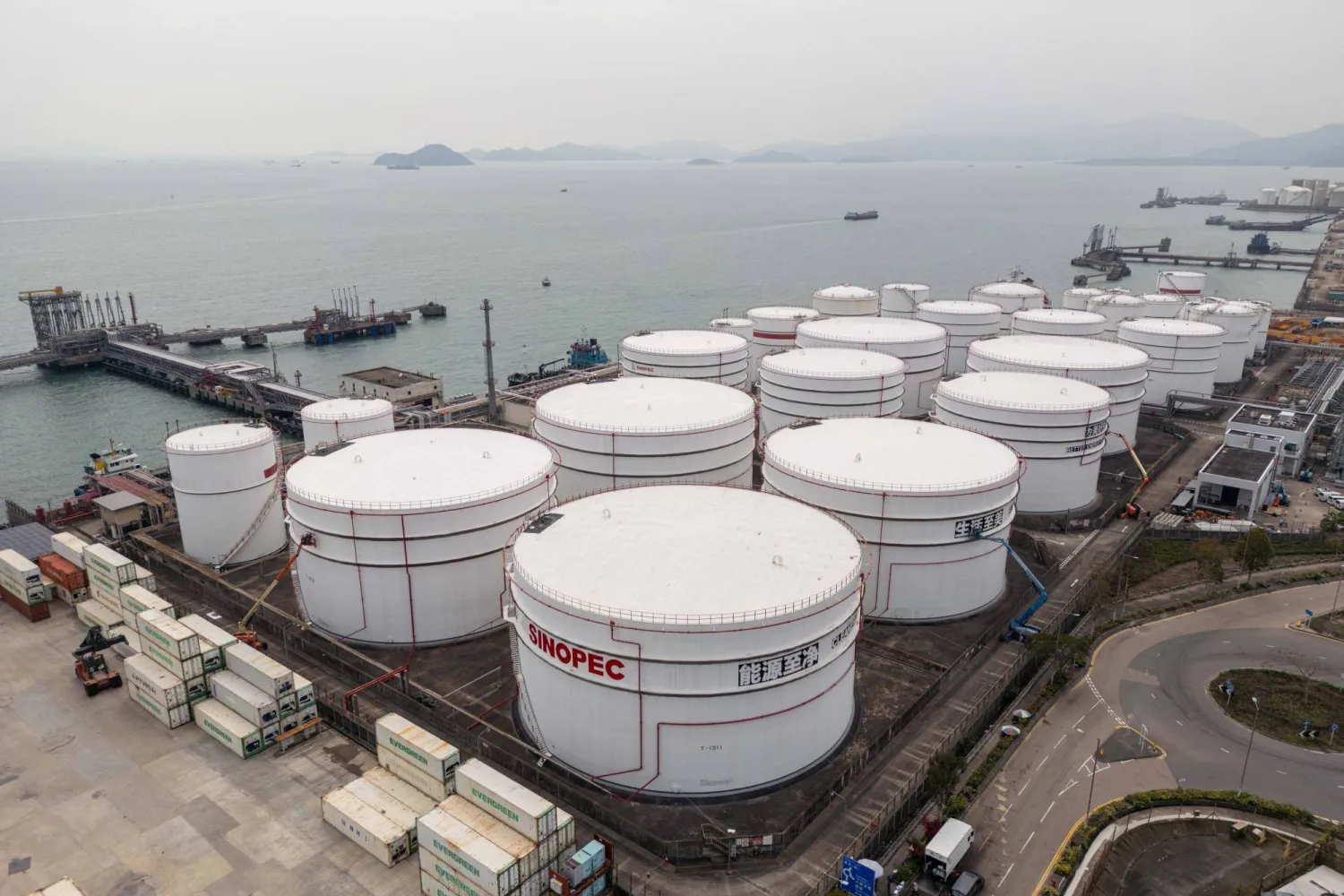
BAKU, Azerbaijan, March 12. Oil prices rose sharply on Thursday as Iran stepped up attacks on oil and transport facilities across the Middle East, fuelling concerns of a prolonged conflict and potential disruptions to oil flows through the Strait of Hormuz TurkicWorld reports via aawsat.
Brent futures climbed $6.41, or 7%, to $98.45 a barrel by 1235 GMT, having hit $100 per barrel in earlier trading, while US West Texas Intermediate crude was up $5.98, or 6.85%, at $93.23.
Prices extended gains on Thursday, after US Energy Secretary Chris Wright told CNBC that the Navy cannot escort ships through the Strait of Hormuz now but it was "quite likely" that could happen by the end of the month. Brent hit $119.50 a barrel on Monday, its highest since mid-2022, then dropped after US President Donald Trump said the Iran war could be over soon. The war in the Middle East is causing the biggest oil-supply disruption in the history of global markets, the International Energy Agency said on Thursday, a day after approving the release of a record volume of 400 million barrels of oil from strategic stockpiles.
Middle East Gulf countries have cut total oil production by at least 10 million barrels per day - a volume equalling almost 10% of world demand, the agency said in its latest monthly oil market report, Reuters reported.
A detailed breakdown has not been provided yet, so there is some scepticism in the market that the full volume will actually be released, Energy Aspects analysts said, adding that a total of 400 million barrels of mostly crude and some products inventories is only equivalent to 25 days of the current disruption to flows.
Goldman Sachs forecast Brent crude prices would average $98 per barrel in March and April before declining to $71 by the fourth quarter, but warned that in an upside-risk scenario, where flows through the strait are disrupted for a month, the March and April average could surge to $110.
"The only way to see oil prices trade lower on a sustained basis is by getting oil flowing through the Strait of Hormuz," ING analysts said. "Failing to do so means that the market highs are still ahead of us."
Explosive-laden Iranian boats appear to have attacked two fuel tankers in Iraqi waters, setting them ablaze and killing one crew member on Wednesday after projectiles struck four vessels in Gulf waters, according to port, maritime security and risk firms.