




BAKU, Azerbaijan, September 22. More than a century after the Balfour Declaration that paved the way for the Palestinian tragedy, Britain has finally decided to recognize the State of Palestine. A move hailed as historic, yet one that raises an unavoidable question: is it the beginning of correcting a 108-year-old mistake, or merely a belated token gesture, delivered after rivers of blood in Gaza and the West Bank and under the weight of public opinion no longer willing to tolerate complicity?
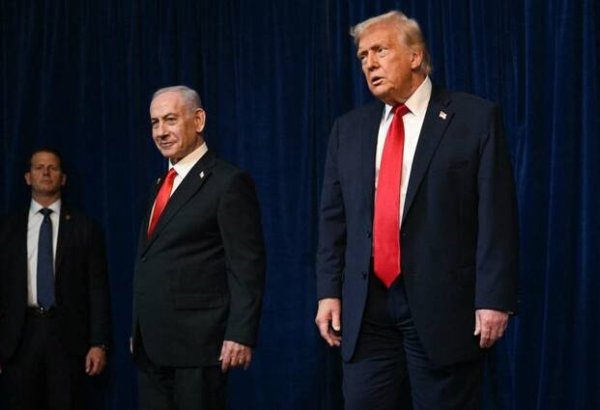
This step was not born in political offices alone; it emerged from the crucible of blood and sacrifice, and from the pressure of a British public that could no longer bear the ongoing collusion. Its echo was thunderous: Trump denounced it as a direct threat, while Netanyahu dismissed it as “a prize for terrorism.”
This recognition carries four decisive meanings:
• Historical: an implicit admission of a century-old British mistake.
• Political: a message that Israel’s politics of fait accompli are no longer shielded even by its traditional allies.
• International: a reaffirmation that the two-state solution is not yet buried, and that ignoring it has become costly.
• Symbolic: a signal that Palestinian blood has shifted the equation, and that public opinion can indeed shape outcomes.
Yet the pressing question remains: where does this recognition lead?
It could open the door to reviving a solution, should major European states follow suit, restoring credibility to the two-state framework and isolating Netanyahu’s government as never before. It could remain a suspended recognition, offering Palestinians a moral boost without altering realities on the ground, while the Israeli right exploits it to tighten its grip. Or it could slide into the worst outcome—burying the solution altogether—if Israel responds with more repression, annexation, and settlement expansion, backed by American support, reducing the moment to nothing more than a depleted symbol.
To tip the scales toward the more hopeful path rather than the bleakest, the responsibility lies first with the international community and then with the Palestinians themselves. They must turn recognition into tangible momentum through four clear imperatives:
1. Securing full membership at the United Nations.
2. Activating war-crime cases before international courts.
3. Expanding alliances with Western public opinion.
4. Achieving national unity under a common political program that shows the world Palestine is not merely a just cause but a state worthy of existence.
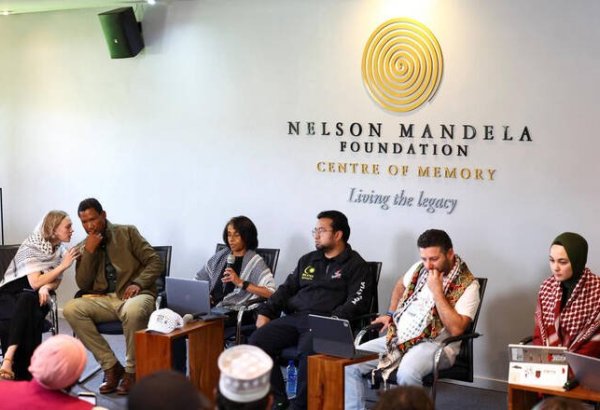
Looking back at South Africa, change only began when popular Western pressure translated into bold political action: boycotts, diplomatic isolation, and recognition of the legitimacy of the Black majority’s struggle. The apartheid regime did not fall solely from within, but through the cumulative force of international recognition and sanctions that shattered its legitimacy. Today, Britain’s recognition of Palestine appears strikingly similar: a step with potential for real change if it evolves into a chain of binding measures—rather than remaining a symbolic declaration. And just as South Africa needed unified internal will to harness external support, Palestinians today need national cohesion and a unifying program to make recognition a lever, not a fleeting headline.
Britain’s recognition of Palestine is a pivotal moment, without doubt. Yet it hangs between the symbolism of correcting history and the suspicion of political tokenism. Will it truly mark the start of rectifying Balfour’s century-old wrong, or will it dissolve into the record of diplomatic maneuvers, another page in the long chronicle of broken promises? The answer will not be determined by London alone, but by the resolve of the international community—and by the Palestinians’ own capacity to turn this moment into living action that restores their usurped right.
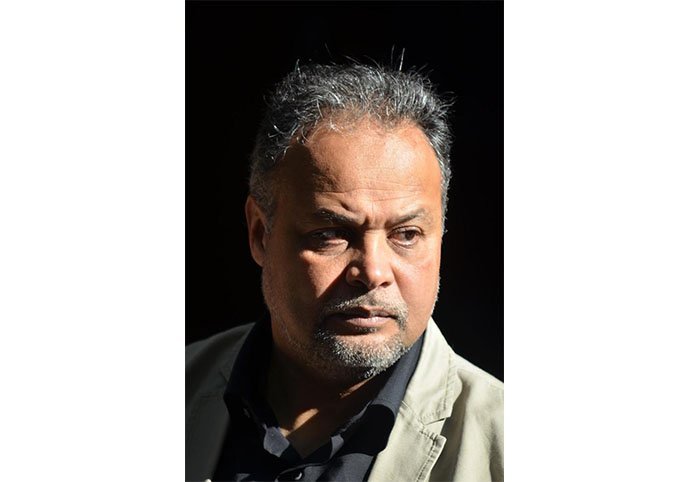
Maher Mellakh/ Journalist – Doha