

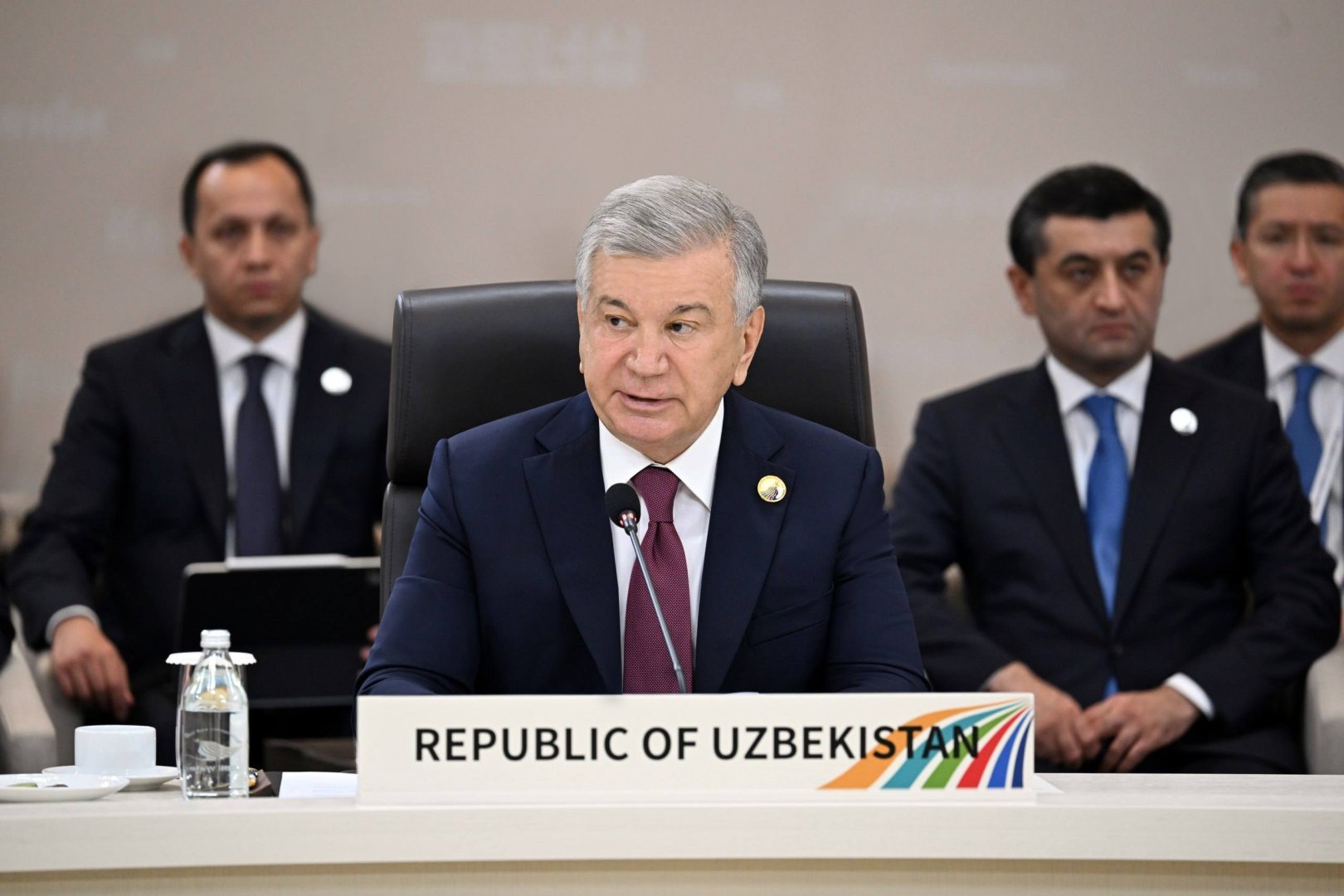
BAKU, Azerbaijan, November 24. Uzbekistan and Jordan are seeking to expand economic cooperation, attract investment and diversify bilateral trade as Uzbek President Shavkat Mirziyoyev pays a state visit to Amman on November 23–24, marking another step in Tashkent's efforts to strengthen its economic and diplomatic presence in the Middle East.
The visit, at the invitation of King Abdullah II ibn Al Hussein, comes amid growing political engagement between the two countries and follows the Jordanian monarch's state visit to Uzbekistan in August 2025. During that visit, the two leaders agreed to elevate bilateral relations to the level of a comprehensive partnership, establishing a foundation for broader cooperation in trade, investment, industry and humanitarian affairs.
Economic cooperation is expected to remain at the center of the current visit. The agenda includes negotiations at the highest level and a bilateral business forum, with particular attention to textiles, mining, chemicals, agriculture and pharmaceuticals. A number of bilateral agreements are also expected to be adopted.
Trade growth creates room for expansion
The recent growth in bilateral trade highlights the considerable potential for further expanding economic ties between the two countries. Trade turnover reached approximately $8.5 million in 2025, increasing 79.2% year over year, according to Uzbekistan's Ministry of Investment, Industry and Trade.
Uzbekistan's exports to Jordan totaled approximately $5.4 million, while imports from Jordan reached $3.1 million. Food products, textiles and dried fruits are among Uzbekistan's export opportunities, while Jordan supplies pharmaceuticals, chemical products, machinery and equipment.
The presence of 18 companies with Jordanian capital in Uzbekistan further demonstrates the growing interest of Jordanian businesses in the Uzbek market.
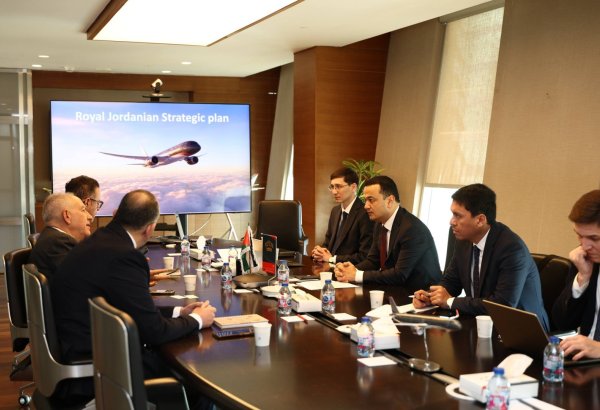
A preferential trade agreement, which the two countries have been preparing, could provide additional momentum by improving market access, facilitating commercial exchanges and creating more predictable conditions for businesses. Jordanian and Uzbek officials have also discussed joint production facilities, technology transfer and stronger transport and logistics links.
Industrial cooperation and investment potential
Pharmaceuticals represent one of the most promising areas of cooperation. Jordan has an established pharmaceutical manufacturing industry and experience in producing medicines for international markets. For Uzbekistan, cooperation in this field could support the localization of production, technology transfer, import substitution and the development of export-oriented manufacturing.
Uzbekistan, in turn, offers opportunities in textiles, agricultural processing, chemicals and mineral resources. Joint ventures in these sectors could allow Jordanian companies to expand their presence in Central Asia while providing Uzbek producers with access to Jordanian expertise and regional markets.
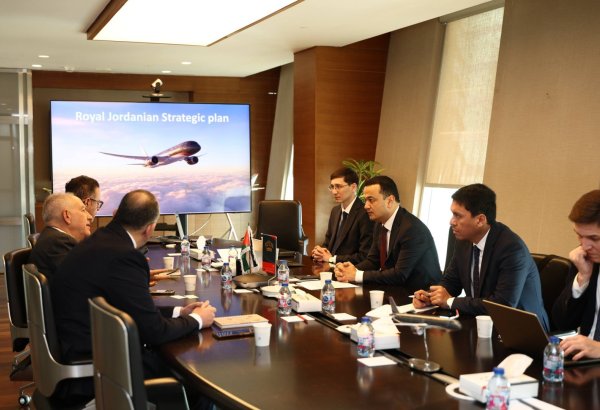
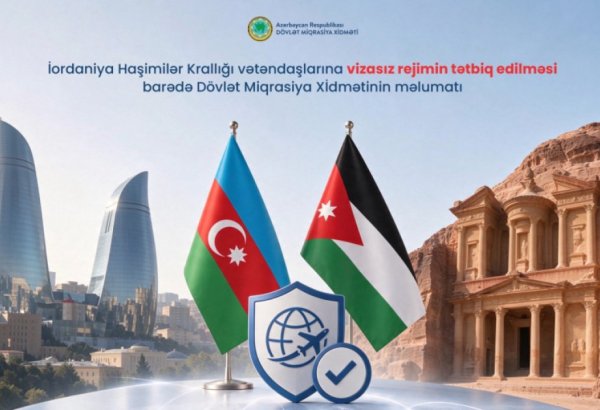
Transport connectivity will also be important for translating these opportunities into commercial results. The launch of regular direct flights between Amman and Tashkent in July 2026, alongside reciprocal visa-free travel, has improved the conditions for business contacts, tourism and people-to-people exchanges.
Mirziyoyev's foreign policy: economic pragmatism and diversification
The growing partnership with Jordan also reflects a broader direction in Mirziyoyev's foreign policy: diversifying international partnerships, expanding economic diplomacy and attracting investment that contributes to technological modernization and higher-value production.
In his address to the Oliy Majlis and the people of Uzbekistan in December 2025, Mirziyoyev emphasized that the country would continue to pursue "a proportionate and open foreign policy" and strengthen mutually beneficial relations with partners across the Middle East.
He has also placed particular emphasis on the quality of foreign investment, stating that "every dollar of investment must primarily serve to implement advanced technologies, produce high value-added products with specific foreign markets" and improve resource efficiency.
This approach is particularly relevant to Uzbekistan's engagement with Jordan. Rather than focusing solely on increasing trade volumes, Tashkent is seeking partnerships that can bring industrial expertise, modern production technologies and access to new markets.
Moreover, the two countries have common interests in strengthening regional stability, supporting dialogue and cooperating through multilateral institutions, including the United Nations and the Organization of Islamic Cooperation.
Ultimately, the success of the state visit will depend on how effectively the agreements and political commitments translate into commercial projects, increased trade and sustained private-sector engagement. With bilateral relations gaining momentum, Jordan could become a more significant economic partner for Uzbekistan in the Middle East, while Uzbekistan offers Jordanian businesses an additional gateway to the growing Central Asian market.