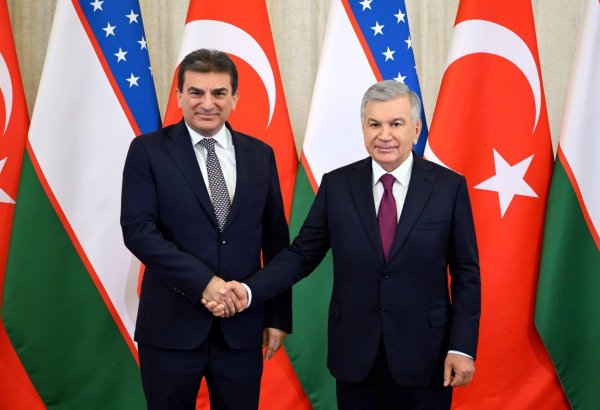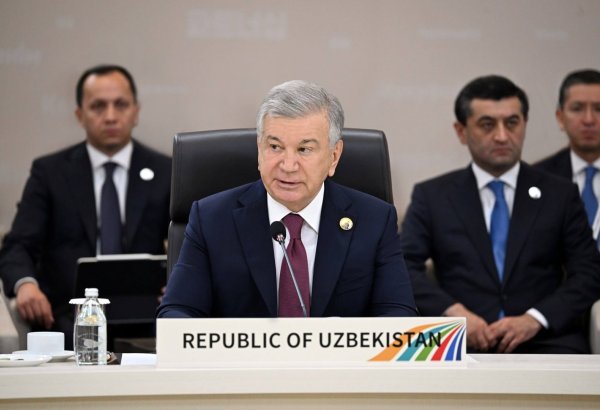


BAKU, Azerbaijan, November 17. Uzbek President Shavkat Mirziyoyev's state visit to Oman on November 16–17 underscored Tashkent's commitment to diversifying its foreign economic partnerships, broadening export opportunities and attracting investment from Gulf countries.
Held at the invitation of Sultan Haitham bin Tariq Al Said, the visit reflected Uzbekistan's efforts to translate diplomatic engagement into tangible economic cooperation, with particular emphasis on trade, industrial development, agriculture and transport connectivity.
Preparatory efforts had already yielded several concrete initiatives. On November 15, Uzbekistan and Oman convened the sixth meeting of their Intergovernmental Commission on Economic and Trade Cooperation in Muscat. The meeting was co-chaired by Uzbek Minister of Investment, Industry and Trade Laziz Kudratov and Omani Minister of Commerce, Industry and Investment Promotion Anwar bin Hilal Al Jabri.
The discussions centered on expanding bilateral trade, advancing preparations for a preferential trade agreement, addressing technical barriers and streamlining customs procedures. The two sides also examined the development of the Uzbek-Omani Investment Company and explored potential joint projects across several sectors, including energy, industry, geology, construction, agriculture and digital technologies.
Expanding exports and opening new transport routes
An important aspect of the negotiations concerned the development of alternative logistics routes for Uzbek exporters. The two sides discussed expanding the use of Oman's seaports to facilitate access to new markets, alongside strengthening air cargo connections.
These efforts could support the diversification of Uzbekistan's export destinations by making greater use of Oman's strategic location along maritime routes linking the Middle East, Asia and Africa.
Agriculture also emerged as a promising area for expanding bilateral economic cooperation. At a separate meeting on November 15, Uzbek Agriculture Minister Ibrokhim Abdurakhmonov and Omani Agriculture Minister Saud bin Hamoud bin Ahmed Al Habsi discussed plans to increase bilateral food trade by two to three times starting in 2027.
The discussions focused on expanding Uzbek exports of fruits, vegetables, dried fruits, and nuts to Oman, while increasing imports of seafood and dates. The two sides also explored opportunities for joint investment in food processing, packaging, fisheries, and organic fertilizer production.
Improving transport connectivity was another priority in discussions on agricultural trade. Potential measures included establishing direct air cargo connections between Tashkent and Muscat, making greater use of the Middle Corridor, and developing other alternative transport routes.
Investment and industrial cooperation
The economic agenda extended beyond agricultural products. A Uzbekistan-Oman business forum was held in Muscat on November 16–17, bringing together companies interested in expanding commercial ties, developing industrial partnerships and implementing joint investment projects.
At the forum, Uzbek manufacturers presented their export potential under the Made in Uzbekistan brand, highlighting opportunities to supply electrical equipment to Gulf markets and establish partnerships with Omani enterprises.
For Uzbekistan, attracting Omani capital and establishing partnerships with Gulf-based businesses are consistent with Mirziyoyev's broader economic reform agenda, which prioritizes industrial modernization, export diversification and greater participation in international value chains.
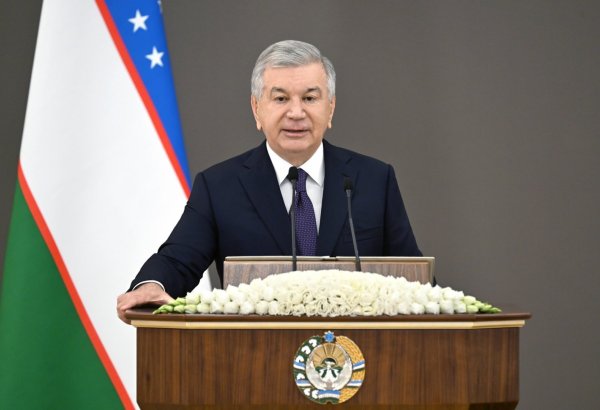
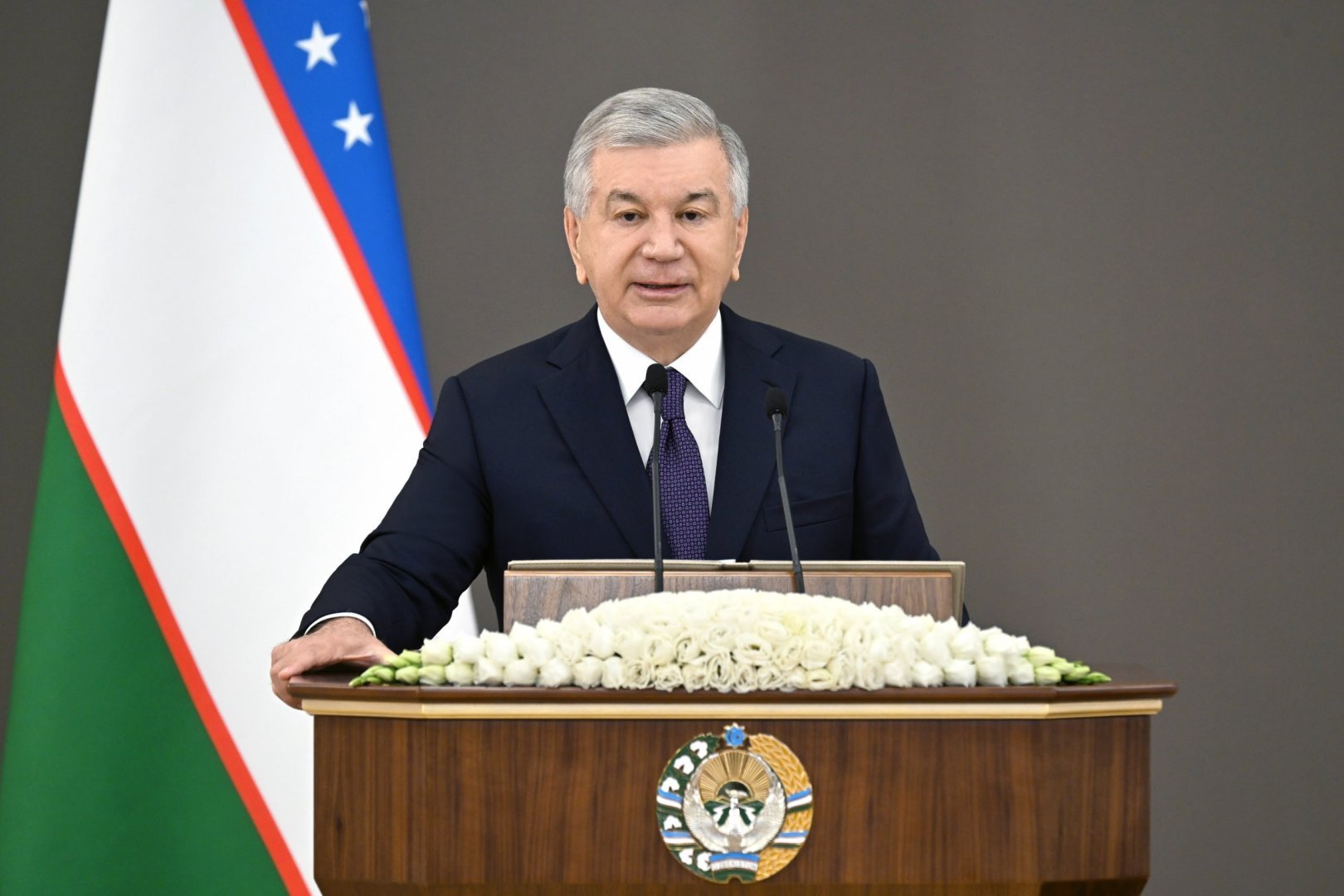
Speaking at the Fifth Tashkent International Investment Forum in June 2026, Mirziyoyev emphasized the country's openness to international capital, stating: "We are always open to investors interested in cooperation with Uzbekistan and ready to build equal and mutually beneficial partnership."
Oman, meanwhile, offers opportunities for cooperation through its established industrial base, energy resources and maritime infrastructure. Its economy is pursuing diversification under Oman Vision 2040, with manufacturing, logistics, tourism, renewable energy and investment development among its priorities.
The country's industrial development is supported by major economic hubs, including the Sohar Industrial Zone and Duqm Special Economic Zone, as well as the Port of Salalah.
For Uzbekistan, closer engagement with Oman could therefore provide access not only to an additional export market but also to investment, industrial expertise and maritime logistics infrastructure.
Ultimately, the significance of Mirziyoyev's visit will depend on how effectively the agreements and initiatives translate into operating joint ventures, increased trade volumes and sustainable transport connections. The planned preferential trade arrangements, investment projects and agricultural cooperation provide a foundation for advancing Uzbek-Omani economic relations beyond their existing level.